
 Business License

KTTA19-C700 Engines in Portable Power Plants in Africa
A mining camp several hours from the nearest town took its power from a cluster of generator sets that had been brought in on trucks and set down beside the accommodation block. There was no transmission line to connect to and no prospect of one, so the engines were not a backup to anything. They were the supply.
A KTTA19-C700 engine portable power plant built around that condition is a different proposition from a machine room behind a factory. The plant has to be moved to the site, started on the day it arrives and kept running through a season of high ambient, airborne dust and fuel delivered over a long road.
These notes describe what an Africa power plant engine meets on a remote site, from KTTA19 engine remote site power at high ambient to the fuel, service and spares arrangements that keep the supply running.
1. KTTA19-C700 Engine Portable Power Plant: What Portable Means in Practice
A KTTA19-C700 engine portable power plant is portable in the sense that the whole assembly can be moved, rather than in the sense that it can be carried.
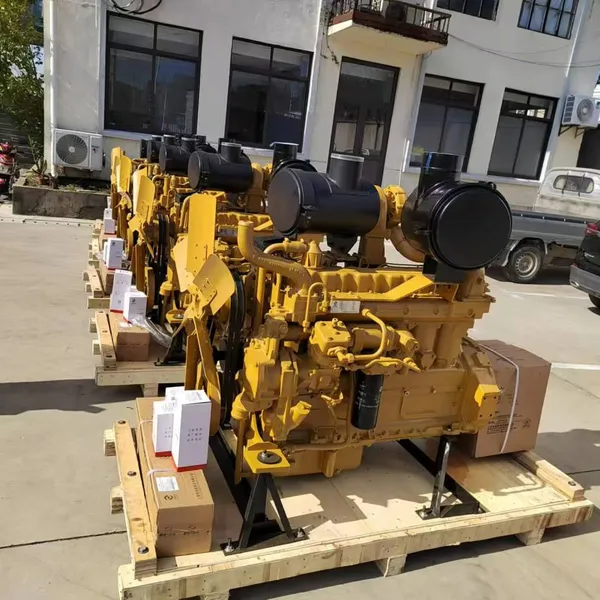
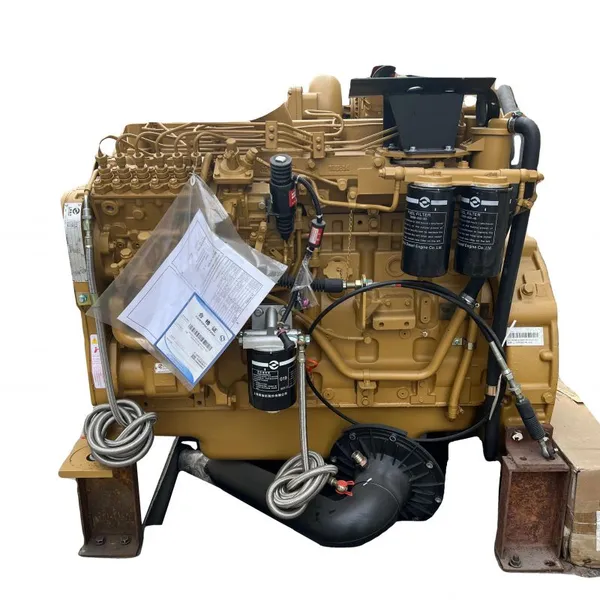
The engine itself is an inline six of roughly nineteen litres, turbocharged and aftercooled, turning an alternator at a governed speed. What makes the installation portable is the base it sits on: a skid or a container frame that carries the engine, the alternator, the radiator, the control panel and the fuel connections as one unit.
That arrangement changes what the buyer specifies. A fixed plant can be assembled on site around a bare engine, while a portable one has to be complete before it is moved, because the place it is going has no workshop to finish the job.
It also changes how the plant is replaced. A portable unit can be exchanged for another of the same class without rebuilding the installation around it, which matters on a site where downtime is measured against a production target.
2. Africa Power Plant Engine: Sites That Have No Grid
An Africa power plant engine on a remote site carries a duty that a grid connected installation never meets, because there is nothing behind it.
Mining camps, construction sites, remote processing plants and agricultural estates all need power before any network reaches them, and some will never be connected at all. For these sites the generating plant is the supply rather than a reserve against a failure.
The consequence is that availability is the product. A plant that runs at lower efficiency is a plant that can be lived with, and one that stops unexpectedly is a plant that halts whatever it was feeding.
That is why remote installations are usually built from more than one unit. Two or three sets of the same class allow one to be taken out for service while the site keeps working, and they give the operation a step of spare capacity without a second installation.
3. KTTA19 Engine Remote Site Power: Heat, Dust and Altitude
KTTA19 engine remote site power is decided as much by the site conditions as by the load, and three of them matter more than the rest.
Ambient temperature sets the ceiling on the rating. An engine quoted at a moderate ambient produces less at a higher one, because the cooling system has a smaller temperature difference to work with and the air entering the cylinders is thinner. A site that reaches the high thirties in the shade needs a build set for that figure rather than for a temperate one.
Dust is the second condition. Airborne material reaches the intake, and where it gets past the filter it travels straight to the cylinders and appears later as wear on the rings and the liners. A pre-cleaner ahead of the element and a service interval set by the dust rather than the hours are the response.
| Site condition | Effect on the plant | Design response |
|---|---|---|
| High ambient | Lower available output, hotter running | Rating set for the site maximum; larger cooling margin |
| Airborne dust | Faster intake and cooling blockage | Pre-cleaner, sealed intake path, dust based filter service |
| Altitude | Thinner air, reduced combustion air mass | Rating adjusted for elevation before the order |
| Sun on a container | Higher internal temperature | Ventilation sized with the enclosure in mind |
Altitude acts on the same side as temperature. Air thins as elevation rises, so an engine set for sea level delivers less at height, and the reduction belongs in the rating rather than in the tolerance. A plant specified from the catalogue figure will be short of output on the first hot afternoon at elevation. Pinbo Power records the site elevation with each order for that reason.
4. KTTA19-C700 Engine Portable Power Plant: Fuel That Has to Travel
A KTTA19-C700 engine portable power plant on a remote site depends on fuel that arrives by road and may sit in storage for weeks.
Delivery over distance brings its own limits. The tanker route sets how often the site can be refilled, and the fuel consumption of the plant turned into litres per day is what decides the size of the bulk storage, the frequency of deliveries and the margin held against a road that closes.
Quality varies between loads, and water and sediment arriving with a delivery are a common source of injection trouble. Settling, water separation and filtration ahead of the engine are part of the plant rather than an optional extra, since a contaminated load that reaches the injection system stops the site.
Storage discipline follows from the same reasoning. Keeping the tank as full as practical limits condensation, drawing water off at intervals shows the state of the stock, and recording each delivery against the readings from the engine makes it possible to trace a change in behaviour to the fuel that caused it. Jining Pinbo Import and Export asks what bunkering route a site uses before specifying the filtration that has to sit ahead of the engine.
5. Africa Power Plant Engine: Deployment and Commissioning
An Africa power plant engine earns its cost on the day it starts producing, so the time between arrival and power is part of the specification.
A portable plant arrives assembled and tested from the works, which removes most of the assembly that a fixed installation would need on site. What remains is the base, the cabling to the distribution board and the connections for fuel and exhaust.
Commissioning then confirms that the plant does what the site needs. The start is checked from the condition the engine will meet, the load is applied in steps, and the readings are taken at each step and compared with the test sheet from the works.
Fuel on site at the moment of commissioning is easy to overlook and expensive to get wrong. A plant that is ready to run with an empty tank has not been commissioned, and the delivery schedule has to be in place before the engines are started for the first time.
6. KTTA19 Engine Remote Site Power: Running Hours and Service Windows
KTTA19 engine remote site power accumulates hours in a way that a standby set never does, and the service plan has to follow the hour meter rather than the calendar.
A plant that is the primary supply may run for most of the day, every day, for a season. That pattern suits the engine, because a unit held at a steady load reaches its working temperature and stays there, and the wear that comes from repeated cold starts is largely absent.
What it does demand is a service programme that can be carried out on a site with limited facilities. Consumables are consumed at a predictable rate, so filter and oil changes can be planned against the running hours and the spares ordered ahead of the window.
Oil sampling is what keeps the plan honest. The iron, copper and coolant markers mean little on their own and a great deal as a sequence, and a sequence that shifts is what allows a repair to be booked into a maintenance stop instead of met as an outage.
7. KTTA19-C700 Engine Portable Power Plant: Operation With a Small Crew
A KTTA19-C700 engine portable power plant is usually run by a small team, and the installation is designed around that.
A site plant may be attended through the working day and left to run overnight, so the control arrangement has to carry the routine decisions. Alarms, automatic shutdowns and a panel that records what happened give the crew a way to understand a fault that occurred while nobody was watching.
The everyday work is deliberately simple. Fluid levels, a visual check for leaks, a reading of the panel instruments and a note of the running hours cover most of what a day asks, and they catch the changes that precede a failure.
What the crew needs beyond that is a route to first line repair. A spare set of filters, belts and hoses held at the site, a set of tools and the manual for the build turn a fault that would stop the plant into an hour of work, and the manual matters as much as the parts on an engine nobody at the site has seen before.
8. Africa Power Plant Engine: Spares, Records and the Next Site
An Africa power plant engine is often moved between sites over its life, and what travels with it is a record rather than a machine.
The spares holding is sized for the site rather than for the engine. Consumable sets, the parts that fail between services and the sensors on the control panel are the items worth keeping, and they are ordered as a planned set against the running hours rather than piece by piece as failures arrive.
Records follow the unit. The build, the rating class, the accessory list and the commissioning readings stay with the plant, and so does the service history, because the next site inherits the engine rather than a new one.
Jining Pinbo Import and Export files the build and the accessory list with the order rather than separately, so a plant moved to a new location carries its own description with it. Pinbo Power regards that file as part of the equipment, since a site with no history has to rediscover what a documented one already holds.
9. Frequently Asked Questions
9.1 What makes a KTTA19-C700 engine portable power plant portable?
A KTTA19-C700 engine portable power plant is portable because the whole assembly moves as one unit rather than because the engine is light. The engine, alternator, radiator, control panel and fuel connections are mounted on a skid or container frame that can be carried by road or sea and set down beside the load. That arrangement means the plant has to be complete before it leaves the works, because the site it is going to has no workshop to finish the assembly.
9.2 Why does an Africa power plant engine need a different specification?
An Africa power plant engine on a remote site usually has no grid behind it, so availability rather than efficiency is the product it has to deliver. Installations are therefore built from more than one unit so one can be serviced while the site keeps working. The specification also has to account for high ambient temperature, airborne dust and altitude, each of which reduces the air available for combustion or the margin in the cooling system and so changes the rating the plant can hold.
9.3 What conditions affect KTTA19 engine remote site power?
KTTA19 engine remote site power is affected most by ambient temperature, dust and altitude. High ambient reduces the temperature difference the cooling system works with and thins the intake air, so a build has to be set for the site maximum rather than a temperate average. Dust reaches the intake and the radiator, so a pre-cleaner and a filter service interval set by the dust are part of the plant. Altitude acts in the same direction as heat and belongs in the rating before the order.
9.4 How should a plant on a remote site be serviced?
A plant on a remote site should be serviced against the hour meter rather than the calendar, because a primary supply may run for most of every day through a season. Consumables are used at a predictable rate, so filters and oil can be planned and the spares ordered ahead of the window. Oil sampling read as a series shows whether wear matches the hours and allows a repair to be scheduled into a maintenance stop. A holding of filters, belts, hoses and tools at the site keeps first line repairs possible.
Recently Posted
-
Export Packing and Shipping for DEUTZ BF6M1015 Engines
November 16, 2026A pump station took delivery of an engine that looked sound on the outside of the crate and had a rusted cylinder bore inside it. Read More
-
Quality Inspection Points for 6CTA8.3-C260 Engine Shipments
November 16, 2026An engine that had passed every bench check arrived at a port after six weeks in a container and would not turn over. The cranksha Read More
-
VOLVO D8H Engines in Quarry Equipment in South America
November 16, 2026Quarry work in South America rarely means one machine. It means a line: a feed, a primary crusher, a screen deck and the conveyors Read More
-
VOLVO D8H Engines in Heavy Trucks: Eastern European Haulage
November 13, 2026A D8H engine in heavy trucks works under conditions that differ from every other setting the unit appears in. The vehicle spends i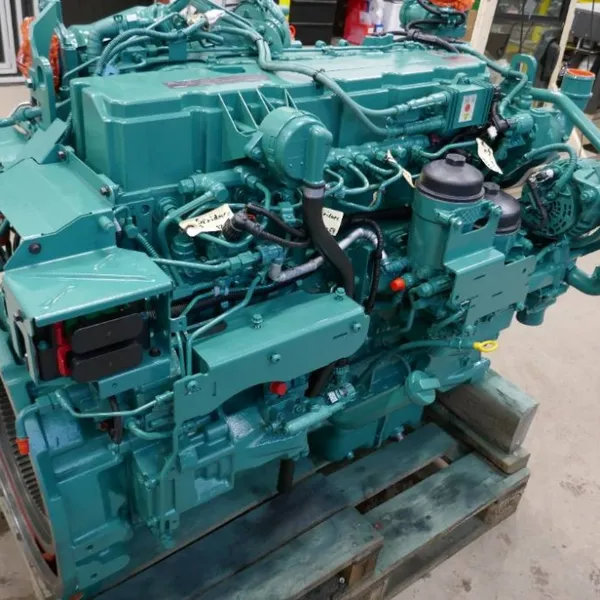 Read More

Contact Us
Recommended Products
-
 New 129 kW QSB6.7 Diesel Engine Excavator Construction Machinery Electric Start Water-Cooled Core Including Motor PumpUS$ 1888.00 - 3888.00MOQ: 1 Unit
-
Wholesale Diesel Engine Genuine 4 Stroke Direct Injection Doosan DL08 Engine for SaleUS$ 4558.00 - 4800.00MOQ: 1 Unit
-
Factory Price DOOSAN DL06 Construction Machinery Motor 6 Cylinder 115kw Water-Cooled With Core Components Engine and PumpUS$ 4752.00 - 5000.00MOQ: 1 Unit
-
Factory Price 4 Stroke 115kw Doosan DB58 Complete Engine Assy for Dx220 ExcavatorUS$ 3450.00 - 3650.00MOQ: 1 Unit
-
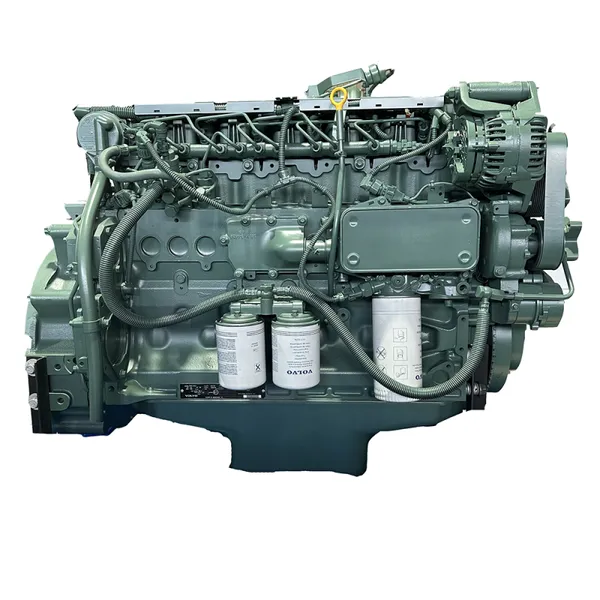
Factory Manufacture 123kw 4 Stroke Volvo D6e Machinery Engine for Construction MachineryUS$ 7500.00MOQ: 1 Unit
-
New BF6M2012C 4-stroke Original Water-cooled Diesel EngineUS$ 4500.00 - 5400.00MOQ: 1 Unit
-
Original Water Cooled 4 Stroke 6 Cylinder DEUTZ TCD2012062V Machinery EnginesUS$ 4888.00 - 5081.00MOQ: 1 Unit
-
Factory Outlet 6 Cylinder 250HP 2200rpm 6C8.3-C250 Construction Machinery Engines for CuminsUS$ 34627.00 - 36450.00MOQ: 1 Unit
-
1104D-44TA Diesel Engine 83kw New Water-Cooled Machine With Electric Start and Pump Good Price Per UnitUS$ 3700.00 - 4200.00MOQ: 1 Unit
-
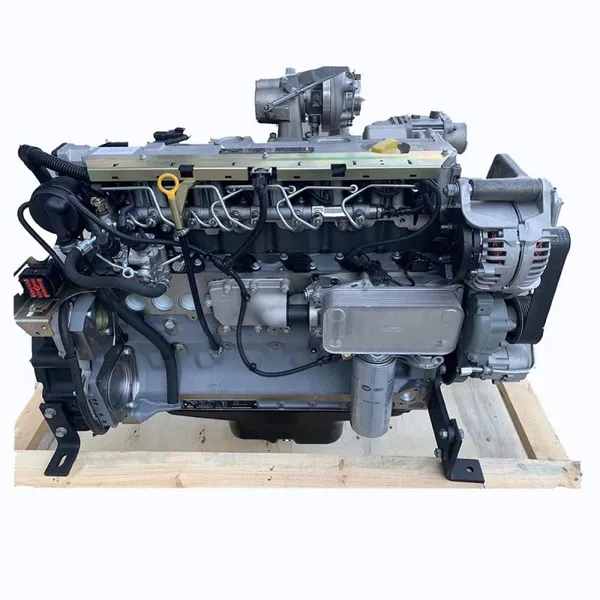
Original Water Cooled 4 Stroke DEUTZ TCD 2013 L06 2V Machinery Engines for SaleUS$ 7070.00 - 7443.00MOQ: 1 Unit
-
Excavator Engine Assy QSL8.9 Complete Engine Assembly CUMMINS Qsl 9 Diesel EngineUS$ 4300.00 - 4600.00MOQ: 1 Unit
-
Genuine Vovo D4d EAE2 Diesel Engine for VOLVO EC140 ExcavatorNegotiableMOQ: 1 Unit
-
Factory Outlet 6 Cylinder 250HP 2200rpm 6C8.3-C250 Construction Machinery Engines for CuminsUS$ 4700.00 - 5100.00MOQ: 1 Unit
-
Good Price 153kw 4 Stroke Electric Start D7E Diesel Engine for Construction MachineryUS$ 8350.00MOQ: 1 Unit
-
WEICHAI 178kw 4 Stroke WD10G240E203 Diesel Engine for SEM660D SEM660B Wheel LoaderUS$ 3920.00 - 4127.00MOQ: 1 Unit
-
Dongfeng Shanghai SC11CB220G2B1 6-Cylinder Diesel Engine 162kw (220hp) SDEC 3306 New Condition Core Included Farm MachineryUS$ 6500.00MOQ: 1 Unit
-
ISUZU 4 Cylinder Diesel Engine 4BG1 Machinery Engines for Kobelco SK135 ExcavatorUS$ 6800.00MOQ: 1 Unit
-
130Hp Diesel Engine YC4D130 Yuchai Diesel Motor Price for TruckUS$ 3400.00 - 3600.00MOQ: 1 Unit
-
Shanghai SDEC SC9D220G2 162KW Diesel Engine for SEM922 SEM921 GraderUS$ 5320.00 - 5600.00MOQ: 1 Unit
-
Factory Outlet Sinotruk D1242 Engine Assembly for Construction IndustryUS$ 4615.00 - 4858.00MOQ: 1 Unit