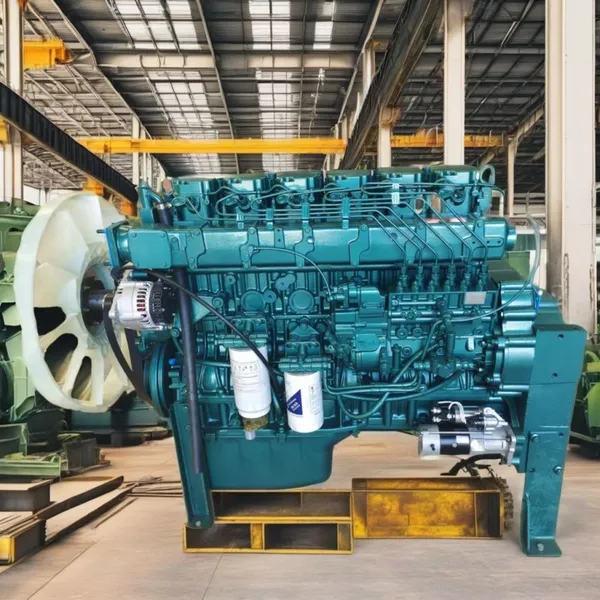

 Business License

Export Packing and Shipping for DEUTZ BF6M1015 Engines
A pump station took delivery of an engine that looked sound on the outside of the crate and had a rusted cylinder bore inside it. The unit had crossed an ocean in a container that saw a temperature swing of thirty degrees every day, and the desiccant that should have absorbed the condensation had been left out of the enclosure. The engine was rebuilt on arrival, and the claim that followed turned on the absence of one photograph at sealing.
Most transport damage is decided before the crate is closed, and most arguments about it turn on evidence that was never recorded.
This article sets out what DEUTZ BF6M1015 engine export packing has to achieve, how BF6M1015 engine shipping is arranged by mode and container, and what industrial engine ocean freight demands in the way of moisture control, bracing and documentation. It is written for buyers, forwarders and dispatch teams.
1. DEUTZ BF6M1015 Engine Export Packing: What the Crate Has to Do
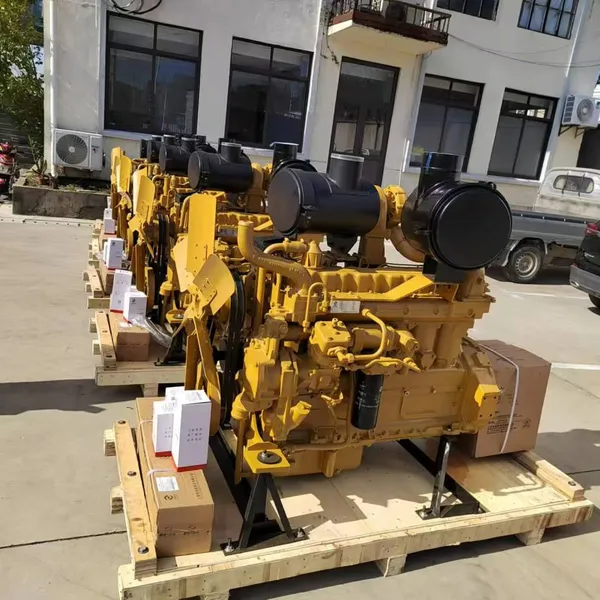
DEUTZ BF6M1015 engine export packing has four jobs, and the crate does one of them.
The base carries the weight and takes the load of lifting and stowage. The enclosure keeps weather and casual contact off the engine. The internal support stops the unit moving against its own mass during handling. The seal controls the atmosphere inside the enclosure once it is closed.
An engine of this size carries enough mass that a modest movement under a lifting load becomes a large force by the time it reaches the mounting points. Bracing is therefore a structural exercise rather than a packing detail, and it is sized to the engine rather than to the crate.
The table below sets the packing functions against the failure each one prevents. Read it as a checklist for a dispatch, because the items that matter are the ones that are easy to skip under time pressure.
| Packing function | Failure it prevents |
|---|---|
| Load bearing base | Base collapse during lifting or stowage |
| Weather enclosure | Rain, spray and casual contact damage |
| Internal bracing | Movement against mounts and pipework |
| Sealed liner and desiccant | Condensation corrosion during transit |
| Caps on open ports | Dust and moisture into intake and exhaust |
A crate that handles the first three and skips the last two produces an engine that arrives intact and corroded, which is the hardest kind of damage to argue about.
2. BF6M1015 Engine Shipping: Modes and Container Choices
BF6M1015 engine shipping offers a small number of practical options, and the choice follows from the size of the unit and the destination.
A complete engine on its base usually travels as break bulk or as a packed unit inside a container, depending on its dimensions and the sailing available. Smaller and partly stripped units travel more easily in a standard container, where the mass can be spread across the floor.
Less than container load shipments are workable and carry a higher handling count, since the crate is moved at consolidation and again at destination. Where several engines travel together, a full container reduces the number of times each unit is lifted.
Air freight is used for urgent replacement units rather than for routine orders, and the packing for it differs because the crate has to suit a pallet and a loading system rather than a container floor.
Pinbo Power quotes ocean freight by default and confirms the mode with the buyer, because the packing specification follows the mode and changing it later means repacking.
3. Industrial Engine Ocean Freight: Moisture and Corrosion Control
Industrial engine ocean freight exposes a machine to the hardest atmospheric conditions it will ever meet.
A container crossing an ocean passes through hot days and cold nights, and each cycle draws moisture out of the air and deposits it on cold metal. The process runs for weeks and needs no leak to do damage, which is why a sealed crate without desiccant corrodes from the inside.
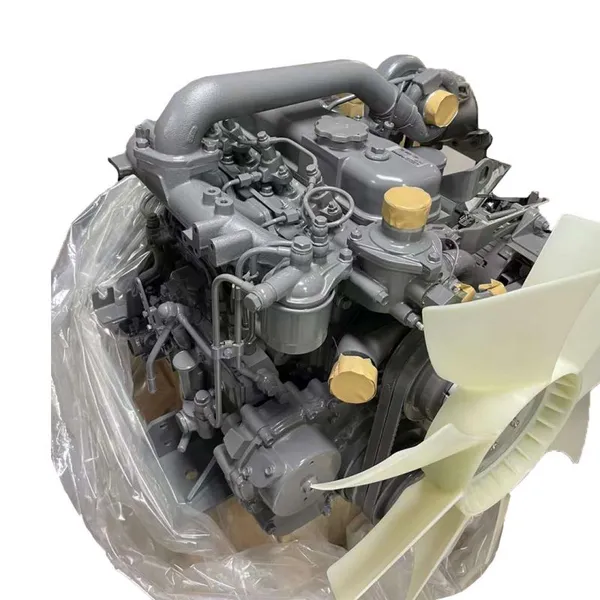
The control measures are simple and specific. Line the enclosure, seal it, and place enough desiccant inside to absorb the moisture the volume can hold across the voyage. Coat exposed machined surfaces with a protective film, and cap every opening so the crankcase and the intake are not breathing the same air as the container.
Two further items belong on the list. Drain and record the condition of any fluid left in the unit, and photograph the internals before the enclosure is closed so a later condition question has a reference.
Buyers who specify these measures in the purchase order tend to receive engines that need no work between the quay and the plant.
4. Base, Bracing and Lifting in DEUTZ BF6M1015 Engine Export Packing
Base and bracing are the structural half of DEUTZ BF6M1015 engine export packing.
The base should be a timber or steel skid sized to the engine footprint with an allowance at each end for lifting equipment. Where the unit travels on its own base, the skid has to carry the full mass plus the dynamic allowance that lifting and stowage add.
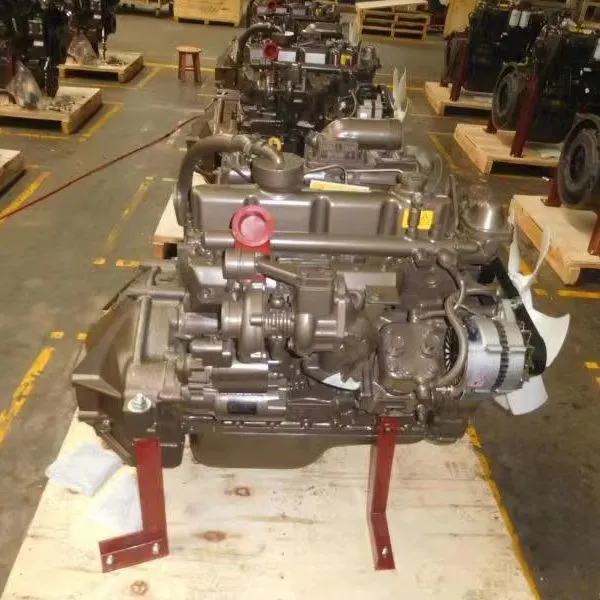
Bracing then fixes the engine to the base at points that can take the load. Mounting feet, bellhousing and a support under the front of the block are the usual positions, and each of them should be packed so the contact is metal to timber rather than metal to a soft material that will compress.
Lifting points belong on the engine rather than on the crate. A crate rated for the engine is not rated for the engine plus the crate, and a lift taken on the wrong points is how most handling damage begins.
Mark the mass and the lifting points on the outside of the base in figures large enough to read from a forklift seat, in a language both loading teams can read.
5. Documents Behind BF6M1015 Engine Shipping
Documentation runs alongside BF6M1015 engine shipping and decides how smoothly the unit clears at each end.
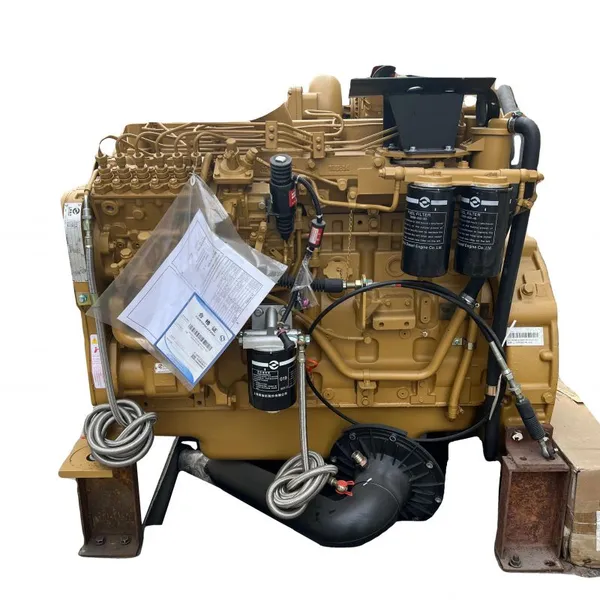
The packing list should describe each item by engine number, and the number should be readable on the outside of the crate. A packing list that describes a crate rather than the unit inside it makes every later check harder.
The commercial documents, the transport document and any origin paperwork travel together as one set rather than arriving in separate envelopes. Where a set arrives incomplete at the port, the delay falls on the buyer.
An internal inspection record belongs in the same file. It carries the plate photograph, the condition notes taken at the dispatch bench and the packing photographs, and it is the document that settles a claim without an argument.
Jining Pinbo Import and Export Co Ltd prepares the full set alongside the packing so the paperwork and the crate move together from the warehouse to the port. Pinbo Power sends a scanned copy to the buyer at dispatch, which gives the receiving team the reference before the shipment lands.
6. Industrial Engine Ocean Freight: Loading and Stowage
Industrial engine ocean freight moves a unit through several hands, and each transfer is where stowage is tested.
Inside a container the mass should sit over the floor structure rather than across a void, and the unit should be restrained against both lateral and longitudinal movement. Timber blocking against the base and lashing to the container rings together control the two directions.
Load distribution matters as much as restraint. Two heavy engines placed at one end of a container can put the gross weight outside the limits of the route, even when the total is inside them.
Where more than one unit travels in the same container, allow access between them. A crate that cannot be inspected without unloading the container removes the buyer's ability to check condition on arrival.
Photographs at loading and at discharge, taken from the same angles, are the evidence that separates a stowage problem from a handling problem when something does go wrong.
7. Marking, Identification and Photos in DEUTZ BF6M1015 Engine Export Packing
Marking and photography are the evidence half of DEUTZ BF6M1015 engine export packing, and they cost very little.
Each crate should carry the engine number, the order reference, the destination and the mass. The engine number is the one that matters, because it links the crate to the plate, the build record and the packing list.
Photograph the engine on the base, the bracing in place and the enclosure sealed. Take the sealing photograph after closure, with the crate marked and the number visible, so the record shows a complete unit rather than an open crate.
Small parts shipped with the engine need the same discipline. A sealed bag with a written contents list prevents the shortfall claims that otherwise follow a crate arriving at its weight and missing its fittings.
Keep the photograph set with the documents and send a copy to the buyer at dispatch. A buyer who has the images before the crate arrives can compare condition on the spot rather than from memory.
8. Claims and Damage Prevention in BF6M1015 Engine Shipping
Damage prevention in BF6M1015 engine shipping is cheaper than any claim, and it is also easier to operate.
The three measures that prevent most damage are a base sized for the mass, bracing at structural points and a sealed enclosure with desiccant. All three are visible at dispatch and all three can be photographed, which means a buyer can confirm them without being present.
The three that settle most claims are the plate photograph, the sealing photograph and the loading photograph. Where the evidence exists, the question becomes which stage caused the damage rather than whether the damage was there at all.
Inspect on arrival rather than after the crate is moved to site. Damage discovered at the quay or the forwarder's warehouse is a transport matter, while the same damage discovered weeks later is much harder to attribute.
Pinbo Power sends the photograph set with the shipping documents, which lets the receiving team open the crate in the knowledge of what should be inside it.
9. Frequently Asked Questions
9.1 What does DEUTZ BF6M1015 engine export packing have to protect against?
DEUTZ BF6M1015 engine export packing has to protect against four things: handling loads, weather, movement inside the crate and condensation. Handling loads are carried by the base, weather by the enclosure, and movement by bracing fixed to structural points on the engine. Condensation is the one that surprises buyers, because it needs no leak to do damage and it accumulates across weeks at sea. A lined and sealed enclosure with enough desiccant for the internal volume controls it, and capped ports stop the crankcase breathing container air.
9.2 How should BF6M1015 engine shipping be arranged by mode?
BF6M1015 engine shipping usually moves by sea, either as a packed unit in a container or as break bulk where the dimensions suit that better. Less than container load arrangements work and carry a higher handling count, since the crate is lifted at consolidation and again at destination. Where several engines travel together, a full container reduces the number of times each unit is handled. Air freight is reserved for urgent replacement units, and it needs different packing because the crate has to suit a pallet rather than a container floor.
9.3 What controls corrosion during industrial engine ocean freight?
Corrosion during industrial engine ocean freight is controlled by managing the atmosphere inside the crate rather than by keeping water out. A container crossing an ocean cycles through hot days and cold nights, and each cycle deposits moisture on cold metal surfaces. Lining and sealing the enclosure, adding enough desiccant for its internal volume, coating machined surfaces and capping all openings together control the process. Draining and recording any remaining fluid completes the job, and none of these measures is expensive or difficult to photograph at dispatch.
9.4 Which documents and photos prevent shipping disputes?
The documents that prevent disputes are the packing list linked to engine numbers, the commercial and transport papers travelling as one set, and an internal inspection record. To those add three photographs: the engine on its base, the bracing in place and the crate sealed with the number visible. Those images settle most condition questions because they show the unit before it left the warehouse. Inspecting on arrival rather than after the crate reaches site keeps a transport matter from becoming a dispute about when the damage occurred.
Recently Posted
-
Quality Inspection Points for 6CTA8.3-C260 Engine Shipments
November 16, 2026An engine that had passed every bench check arrived at a port after six weeks in a container and would not turn over. The cranksha Read More
-
VOLVO D8H Engines in Quarry Equipment in South America
November 16, 2026Quarry work in South America rarely means one machine. It means a line: a feed, a primary crusher, a screen deck and the conveyors Read More
-
VOLVO D8H Engines in Heavy Trucks: Eastern European Haulage
November 13, 2026A D8H engine in heavy trucks works under conditions that differ from every other setting the unit appears in. The vehicle spends i Read More
-
VOLVO D7E Engines in Material Handling Equipment in Northern Europe
November 13, 2026A VOLVO D7E engine material handling installation looks unremarkable on a specification sheet and demanding in practice, because t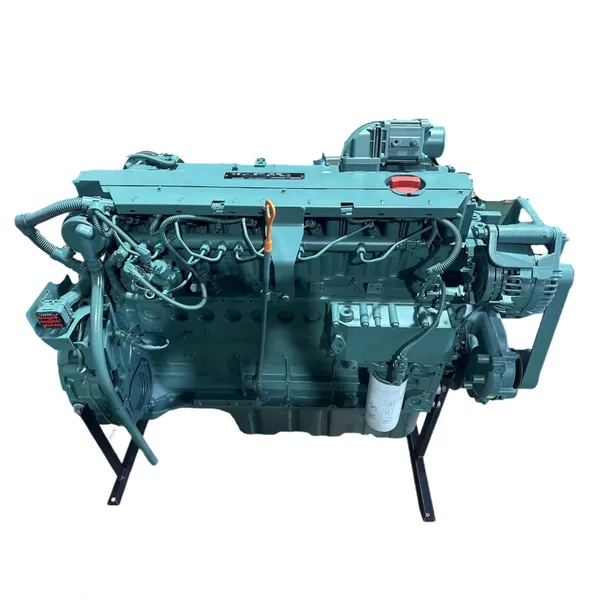 Read More

Contact Us
Recommended Products
-
 New 129 kW QSB6.7 Diesel Engine Excavator Construction Machinery Electric Start Water-Cooled Core Including Motor PumpUS$ 1888.00 - 3888.00MOQ: 1 Unit
-
Wholesale Diesel Engine Genuine 4 Stroke Direct Injection Doosan DL08 Engine for SaleUS$ 4558.00 - 4800.00MOQ: 1 Unit
-
Factory Price DOOSAN DL06 Construction Machinery Motor 6 Cylinder 115kw Water-Cooled With Core Components Engine and PumpUS$ 4752.00 - 5000.00MOQ: 1 Unit
-
Factory Price 4 Stroke 115kw Doosan DB58 Complete Engine Assy for Dx220 ExcavatorUS$ 3450.00 - 3650.00MOQ: 1 Unit
-
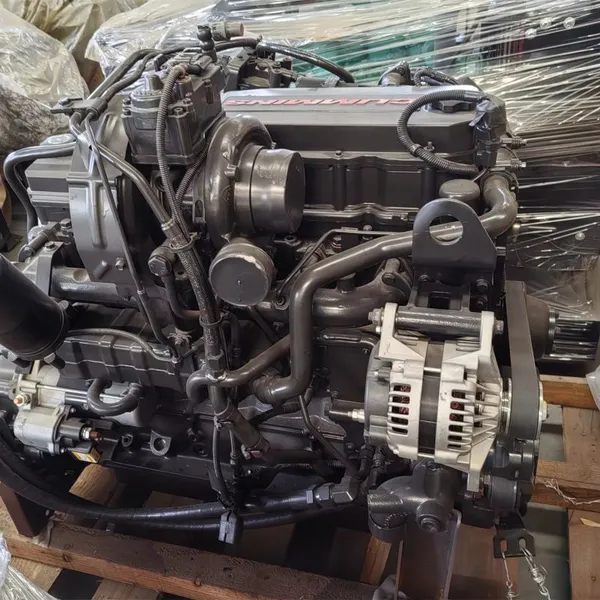
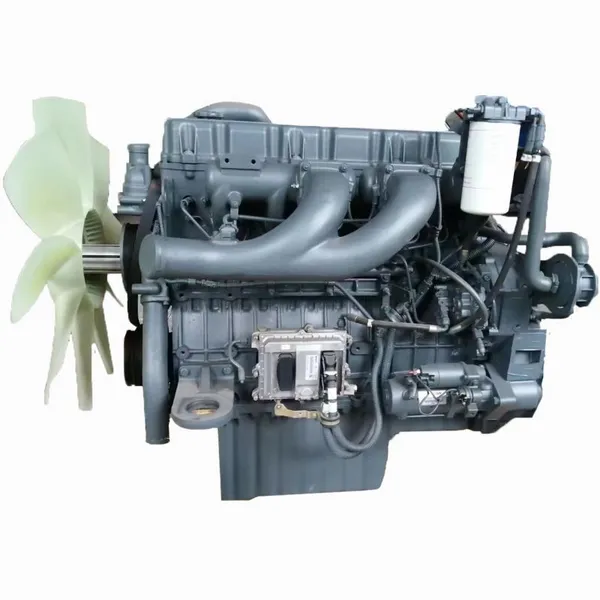
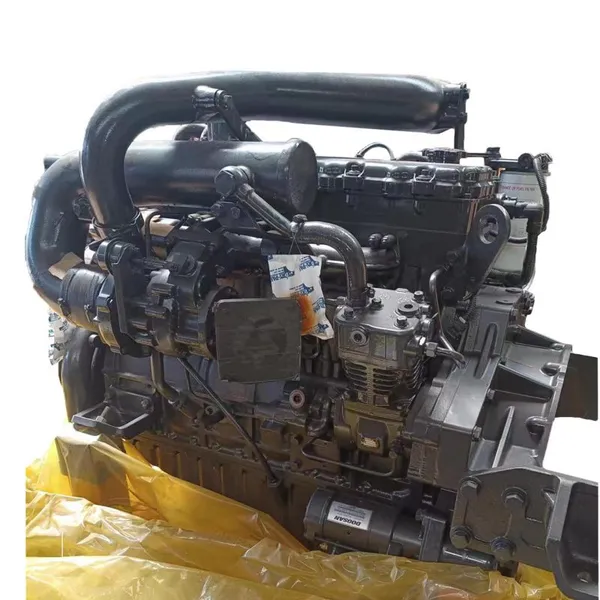
Factory Manufacture 123kw 4 Stroke Volvo D6e Machinery Engine for Construction MachineryUS$ 7500.00MOQ: 1 Unit
-
New BF6M2012C 4-stroke Original Water-cooled Diesel EngineUS$ 4500.00 - 5400.00MOQ: 1 Unit
-
Original Water Cooled 4 Stroke 6 Cylinder DEUTZ TCD2012062V Machinery EnginesUS$ 4888.00 - 5081.00MOQ: 1 Unit
-
Factory Outlet 6 Cylinder 250HP 2200rpm 6C8.3-C250 Construction Machinery Engines for CuminsUS$ 34627.00 - 36450.00MOQ: 1 Unit
-
1104D-44TA Diesel Engine 83kw New Water-Cooled Machine With Electric Start and Pump Good Price Per UnitUS$ 3700.00 - 4200.00MOQ: 1 Unit
-
Original Water Cooled 4 Stroke DEUTZ TCD 2013 L06 2V Machinery Engines for SaleUS$ 7070.00 - 7443.00MOQ: 1 Unit
-
Excavator Engine Assy QSL8.9 Complete Engine Assembly CUMMINS Qsl 9 Diesel EngineUS$ 4300.00 - 4600.00MOQ: 1 Unit
-
Genuine Vovo D4d EAE2 Diesel Engine for VOLVO EC140 ExcavatorNegotiableMOQ: 1 Unit
-
Factory Outlet 6 Cylinder 250HP 2200rpm 6C8.3-C250 Construction Machinery Engines for CuminsUS$ 4700.00 - 5100.00MOQ: 1 Unit
-
Good Price 153kw 4 Stroke Electric Start D7E Diesel Engine for Construction MachineryUS$ 8350.00MOQ: 1 Unit
-
WEICHAI 178kw 4 Stroke WD10G240E203 Diesel Engine for SEM660D SEM660B Wheel LoaderUS$ 3920.00 - 4127.00MOQ: 1 Unit
-
Dongfeng Shanghai SC11CB220G2B1 6-Cylinder Diesel Engine 162kw (220hp) SDEC 3306 New Condition Core Included Farm MachineryUS$ 6500.00MOQ: 1 Unit
-
ISUZU 4 Cylinder Diesel Engine 4BG1 Machinery Engines for Kobelco SK135 ExcavatorUS$ 6800.00MOQ: 1 Unit
-
130Hp Diesel Engine YC4D130 Yuchai Diesel Motor Price for TruckUS$ 3400.00 - 3600.00MOQ: 1 Unit
-
Shanghai SDEC SC9D220G2 162KW Diesel Engine for SEM922 SEM921 GraderUS$ 5320.00 - 5600.00MOQ: 1 Unit
-
Factory Outlet Sinotruk D1242 Engine Assembly for Construction IndustryUS$ 4615.00 - 4858.00MOQ: 1 Unit