
 Business License

Emission Regulation Updates and Their Effect on 6CTA8.3-C260 Class Engines
A contractor working on two sites either side of a border moved a wheel loader between them and found that the same machine was treated differently on each. One authority asked for the engine stage recorded at first registration, and the other asked for the stage applied to the equipment category in force at the time of import. The machine had not changed, and the answer to the question had.
Non-road emission rules are written per market and per equipment category, and they apply to a machine according to where and when it was placed on the market.
This article explains what an emission regulation update means for 6CTA8.3-C260 class engines, how current 6CTA8.3-C260 engine emissions stages are organised across major markets, and why C260 engine retrofit demand tends to rise when a construction engine regulation update takes effect. It is written for fleet owners, dealers and buyers moving equipment across borders.
1. What Emission Regulation Updates Mean for 6CTA8.3-C260 Class Engines
An emission regulation update changes what may be sold and registered rather than what may continue to operate.
In most markets the rule is attached to the point of placing on the market: a new machine or a new engine has to meet the stage in force at that time, while a machine already in service keeps the stage it was built to. That distinction is what keeps older fleets running long after a stage has moved on.
The practical effect for an engine in this class is that its own specification does not change. What changes is the set of markets and equipment categories in which a new unit of that specification can still be placed on the market.
The table below sets the main non-road stage families a buyer will meet. Read it as a map of how the systems are structured rather than as a table of requirements for a particular machine.
| Market | Non-road stage family | Applied to |
|---|---|---|
| European Union | EU Stage series | New non-road mobile machinery placed on the market |
| United States | Tier series | New non-road engines by power band |
| China | China Stage series | New non-road machinery by category |
| India | Bharat Stage series | New construction equipment by power band |
Because the systems are separate, a machine may be current in one market and superseded in another. A buyer moving equipment across a border is dealing with two rule sets rather than one.
2. 6CTA8.3-C260 Engine Emissions Under Current Non-Road Stages
Current 6CTA8.3-C260 engine emissions performance reflects the stage the unit was built to rather than the year it is offered for sale.
An engine of this class built to a later non-road stage typically carries an aftercooled intake and a fuel system calibrated for the stage, and in some configurations an exhaust after-treatment device. An earlier build of the same block may carry none of those.
That difference matters when an engine is bought as a replacement for a machine in service. The unit has to suit the machine and the stage that the machine was registered under, and those two are not always the same requirement.
A buyer replacing an engine in an older machine should therefore identify the stage the machine was placed on the market under, and match the replacement to it rather than to the latest stage available.
Pinbo Power asks for the machine's registration stage with the enquiry, because the answer decides which builds can be offered without creating a problem at inspection. Pinbo Import and Export records that stage against the order so the build and the machine can be matched before the engine is crated.
3. A Construction Engine Regulation Update in Practice
A construction engine regulation update moves a whole equipment category to a new stage at once, and the market responds in stages of its own.
The first response is in new equipment. Manufacturers fit the systems needed to meet the new stage, and the cost of those systems enters the price of the machine.
The second response is in the existing fleet. Machines already placed on the market keep operating under the stage they were built to, so a fleet does not change overnight and the demand for parts and engines for older builds continues.
The third response is in the replacement market, where owners of older machines have to choose between keeping them running within the rules that apply to them and moving to new equipment. That choice is where most of the practical effect on this engine class is felt.
4. C260 Engine Retrofit Demand and Replacement Decisions
C260 engine retrofit demand follows from the gap between the stage a machine was built to and the stage now in force.
Where a machine may legally continue in service, the sensible decision is usually to keep it running with parts and engines that match its original stage. Replacing an engine in a machine with a later stage build that does not match the original registration creates a problem at inspection rather than a benefit in the yard.
Where a machine has reached the end of its life in one market, it often continues to work in another where the applicable stage allows it. That movement of equipment between markets is one of the largest sources of demand for engines of this class.
Retrofit work that genuinely suits the machine is limited to what the machine was designed to accept. A repower within the same stage family is straightforward, while an attempt to bring an older machine up to a much later stage is a design project rather than a parts swap.
5. Emission Stages and the 6CTA8.3-C260 Engine Emissions Picture
The 6CTA8.3-C260 engine emissions picture is most usefully read as a range of builds rather than as a single specification.
The same block has been supplied across several non-road stages, and the changes between them sit in the fuel system, the intake and the exhaust rather than in the basic architecture. Displacement, cylinder count and the rotating group stay recognisably the same.
That continuity is what makes the engine class so widely supported. A machine built to an earlier stage can be kept running because the mechanical parts remain available and familiar.
It also means that two engines carrying the same model string can differ substantially in what is fitted around them. A buyer comparing two units should compare the stage as well as the rating, because the stage describes the equipment the engine carries.
Where documentation is incomplete, the type plate and the build record are the two sources that settle which stage a particular engine was built to.
6. What Drives a Construction Engine Regulation Update
A construction engine regulation update is driven by air quality objectives in the markets that adopt it, and it is applied through the equipment category rather than through the engine alone.
Each stage tightens the permitted limits for the pollutants that matter in that market, and the engine maker meets the tighter limits through a combination of combustion design, fuel system control and, at the later stages, exhaust after-treatment.
The timing of adoption differs between markets, which is why the same machine category can be at different stages in different places. A fleet working across borders therefore operates under more than one rule set at the same time.
Enforcement arrangements also differ. Some markets attach the requirement to first registration, others to import, and others to periodic inspection, and a buyer has to know which mechanism applies on the site where the machine will work.
7. C260 Engine Retrofit Demand in Older Fleets
C260 engine retrofit demand in older fleets is driven by the economics of keeping machines working rather than by regulation directly.
A loader or excavator with a sound structure and a tired engine is usually worth repowering, because the cost of an engine is small beside the cost of a replacement machine. Where the machine may continue in service under its original stage, a like for like engine replacement keeps it working and keeps the paperwork straightforward.
Demand is also shaped by how long a stage lasts. Where a stage has been in force for a long period, a large population of machines sits at that stage and needs parts, engines and service support for years after the stage has been superseded for new equipment.
That is the practical reason engines of this class remain in demand. The replacement market follows the installed fleet rather than the newest stage on the statute book.
Jining Pinbo Import and Export Co Ltd keeps build references across the common stages so a replacement can be matched to the machine rather than to the latest specification.
8. Planning for a 6CTA8.3-C260 Engine Emissions Requirement
Planning around a 6CTA8.3-C260 engine emissions requirement starts with two questions the buyer can answer without a rule book.
The first is where the machine will work, because the applicable stage follows the market rather than the machine. The second is what stage the machine was placed on the market under, because that is the stage it may continue to operate at in most systems.
With those two answers, the requirement narrows to a build rather than to a range. A replacement engine then has to match the machine's registration stage, the machine's mounting and coupling, and the duty the machine performs.
Where a machine is being moved to a market with a different stage in force, check the position before the machine is shipped rather than after. Resolving it at the destination is far more expensive than resolving it at the port of departure.
Pinbo Power documents the stage against each build it supplies, which lets a buyer confirm the position before an order is placed rather than after the engine has been crated.
9. Frequently Asked Questions
9.1 Do current 6CTA8.3-C260 engine emissions rules apply to machines already in service?
Current 6CTA8.3-C260 engine emissions rules generally attach to the point of placing on the market, so a machine already in service keeps the stage it was built to and may continue to operate. What changes with a new stage is the specification required for new machines and for new engines placed on the market after that point. A replacement engine therefore has to suit the machine and its original registration rather than the latest stage available. Buyers should confirm which mechanism the local authority applies, because registration, import and periodic inspection are used in different markets.
9.2 Why does C260 engine retrofit demand rise after a regulation change?
C260 engine retrofit demand rises because a new stage does not remove the existing fleet from service. Machines already placed on the market keep operating under the stage they were built to, and their owners still need parts and engines to keep them working. At the same time, some machines leave markets where the applicable stage has moved on and continue working where the rule set allows them. Together those two effects keep a steady demand for engines of this class, because the replacement market follows the installed fleet rather than the newest stage in force.
9.3 How does a construction engine regulation update affect replacement engine choice?
A construction engine regulation update affects replacement engine choice mainly through the registration stage of the machine being repowered. Where a machine may continue in service under its original stage, a like for like engine replacement keeps it working and keeps the paperwork simple. Where a machine is moved to a market with a different stage in force, the position has to be checked before shipment. Fitting a later stage build into a machine registered under an earlier one can create a problem at inspection rather than a benefit in the yard, so the stage belongs beside the rating on the order.
9.4 What should a buyer confirm about 6CTA8.3-C260 engine emissions before ordering?
A buyer should confirm two things about 6CTA8.3-C260 engine emissions before ordering: where the machine will work and what stage it was placed on the market under. Those two answers identify the build that suits the machine rather than the newest specification available. Then match that build to the machine's mounting, coupling and duty, and confirm that the governor setting suits the application. A build record and a type plate photograph settle any remaining doubt, and resolving the question at the quotation stage is far cheaper than resolving it at the port of destination.
Recently Posted
-
How EU Stage Standards Influence DEUTZ BF6M1015 Replacement Demand
November 20, 2026An equipment dealer bought three used machines of the same model at different times and found that the engines under them were not Read More
-
Container Loading and Customs Documents for VOLVO D8H Engines
November 20, 2026Two decisions shape how smoothly a heavy engine reaches its buyer, and both are made before the unit is lifted. One is how it is s Read More
-
Supply Chain and Stock Planning for VOLVO D7E Engines
November 19, 2026VOLVO D7E engine stock planning begins with a fact that fleets accept slowly: a spare part and a complete engine are two different Read More
-
Packing and Dispatch for Compact Kubota V3300 Engines
November 19, 2026A compact industrial engine travels differently from a large one, and Kubota V3300 engine packing is shaped by that difference. A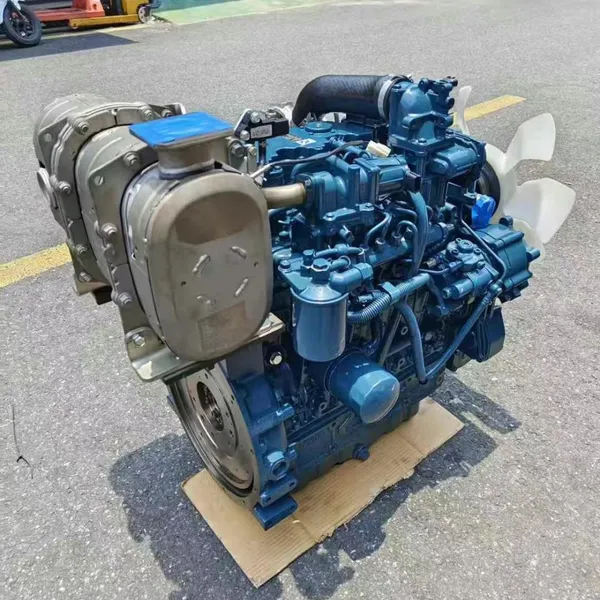 Read More

Contact Us
Recommended Products
-
 New 129 kW QSB6.7 Diesel Engine Excavator Construction Machinery Electric Start Water-Cooled Core Including Motor PumpUS$ 1888.00 - 3888.00MOQ: 1 Unit
-
Wholesale Diesel Engine Genuine 4 Stroke Direct Injection Doosan DL08 Engine for SaleUS$ 4558.00 - 4800.00MOQ: 1 Unit
-
Factory Price DOOSAN DL06 Construction Machinery Motor 6 Cylinder 115kw Water-Cooled With Core Components Engine and PumpUS$ 4752.00 - 5000.00MOQ: 1 Unit
-
Factory Price 4 Stroke 115kw Doosan DB58 Complete Engine Assy for Dx220 ExcavatorUS$ 3450.00 - 3650.00MOQ: 1 Unit
-
Factory Manufacture 123kw 4 Stroke Volvo D6e Machinery Engine for Construction MachineryUS$ 7500.00MOQ: 1 Unit
-
New BF6M2012C 4-stroke Original Water-cooled Diesel EngineUS$ 4500.00 - 5400.00MOQ: 1 Unit
-
Original Water Cooled 4 Stroke 6 Cylinder DEUTZ TCD2012062V Machinery EnginesUS$ 4888.00 - 5081.00MOQ: 1 Unit
-
Factory Outlet 6 Cylinder 250HP 2200rpm 6C8.3-C250 Construction Machinery Engines for CuminsUS$ 34627.00 - 36450.00MOQ: 1 Unit
-
1104D-44TA Diesel Engine 83kw New Water-Cooled Machine With Electric Start and Pump Good Price Per UnitUS$ 3700.00 - 4200.00MOQ: 1 Unit
-
Original Water Cooled 4 Stroke DEUTZ TCD 2013 L06 2V Machinery Engines for SaleUS$ 7070.00 - 7443.00MOQ: 1 Unit
-
Excavator Engine Assy QSL8.9 Complete Engine Assembly CUMMINS Qsl 9 Diesel EngineUS$ 4300.00 - 4600.00MOQ: 1 Unit
-
Genuine Vovo D4d EAE2 Diesel Engine for VOLVO EC140 ExcavatorNegotiableMOQ: 1 Unit
-
Factory Outlet 6 Cylinder 250HP 2200rpm 6C8.3-C250 Construction Machinery Engines for CuminsUS$ 4700.00 - 5100.00MOQ: 1 Unit
-
Good Price 153kw 4 Stroke Electric Start D7E Diesel Engine for Construction MachineryUS$ 8350.00MOQ: 1 Unit
-
WEICHAI 178kw 4 Stroke WD10G240E203 Diesel Engine for SEM660D SEM660B Wheel LoaderUS$ 3920.00 - 4127.00MOQ: 1 Unit
-
Dongfeng Shanghai SC11CB220G2B1 6-Cylinder Diesel Engine 162kw (220hp) SDEC 3306 New Condition Core Included Farm MachineryUS$ 6500.00MOQ: 1 Unit
-
ISUZU 4 Cylinder Diesel Engine 4BG1 Machinery Engines for Kobelco SK135 ExcavatorUS$ 6800.00MOQ: 1 Unit
-
130Hp Diesel Engine YC4D130 Yuchai Diesel Motor Price for TruckUS$ 3400.00 - 3600.00MOQ: 1 Unit
-
Shanghai SDEC SC9D220G2 162KW Diesel Engine for SEM922 SEM921 GraderUS$ 5320.00 - 5600.00MOQ: 1 Unit
-
Factory Outlet Sinotruk D1242 Engine Assembly for Construction IndustryUS$ 4615.00 - 4858.00MOQ: 1 Unit