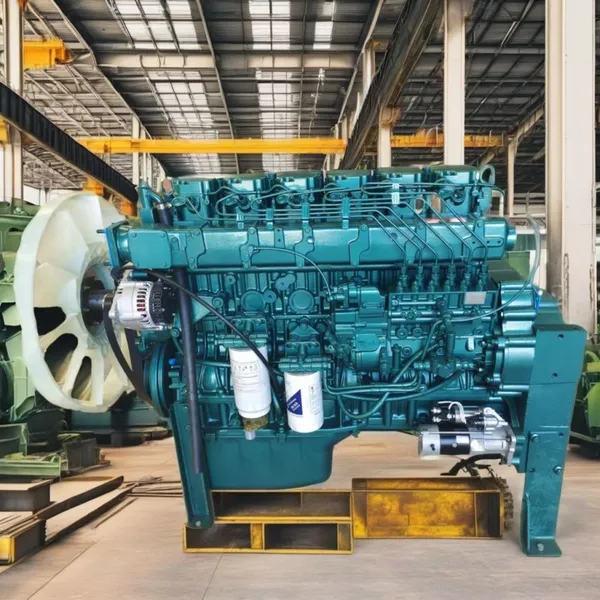

 Business License

Warehouse Readiness and Spare Stock for KTTA19-C700 Series
A KTTA19-C700 engine spare stock question sounds like a question about shelves, and it is really a question about arithmetic. A nineteen litre unit is bought in small numbers, works long hours, and stops a plant or a vessel the moment it fails. What a buyer holds, what a supplier holds, and what is ordered as it is needed are three separate decisions, and settling them badly costs more than the parts themselves.
What follows sets engine warehouse readiness out as a practical list, treats KTTA19 parts availability as a question of categories rather than a single figure, and closes with the list worth agreeing before an order is placed. The advice is written for the buyer who will have to keep the unit running rather than for the person who signs the order.
The scale of the unit shapes everything here. Large diesels are not stocked like filters, and a fleet that copies its small engine habits onto a nineteen litre machine ends up with money on the shelf and nothing in hand. Jining Pinbo Import and Export works through those categories with each buyer for that reason.
1. KTTA19-C700 Engine Spare Stock: Three Categories of Part
Parts for a unit of this size fall into three groups, and mixing them is where most stocking plans go wrong. The first group wears out on a predictable schedule and belongs on a shelf. The second group ages whether the engine runs or not and is held in small numbers. The third group fails rarely, costs a great deal, and is better covered by a route than by a shelf.
The distinction is about consequence rather than about price. A filter that arrives late stops a machine just as firmly as a liner set that arrives late, and it costs a fraction as much to hold. A buyer who spends the budget on the expensive items and neglects the cheap ones has protected the wrong end of the list.
| Category | Examples | How it is held | Why |
|---|---|---|---|
| Wear items | Filters, belts, hoses, seals, gaskets, injector nozzles | On the shelf, in multiples | Consumption is predictable and the unit stops without them |
| Aging items | Rubber parts, electronic components, batteries, stored fluids | In small numbers, rotated | They degrade on the shelf as well as in service |
| Major items | Castings, crankshafts, camshafts, complete assemblies | Against a route, not a shelf | Cost and rarity make local holding hard to justify |
The table is a starting point rather than a specification. What a plant holds in the first row depends on the hours it runs and the distance to its nearest supplier. What it holds in the third row depends on how long it can afford to be stopped, which is a commercial question rather than a technical one.
2. Engine Warehouse Readiness: What Ready Means for a Unit of This Size
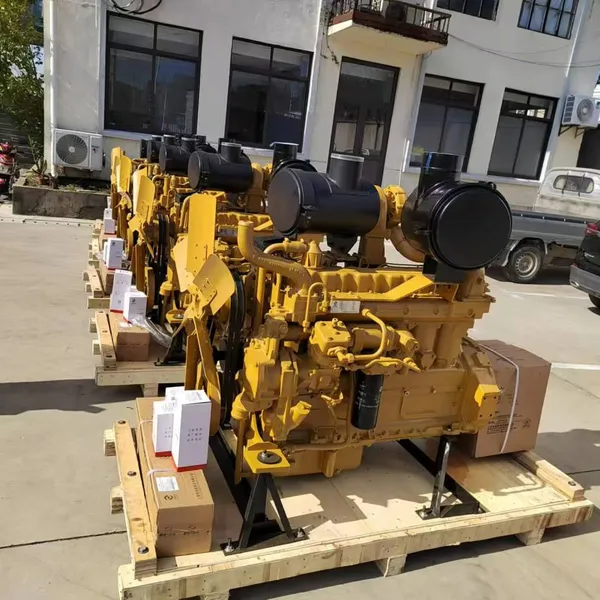
Readiness for a unit of this size is measured in floor space, lifting capacity and access rather than in shelf metres. A nineteen litre engine arrives in a crate that needs a clear landing area, a route to the bay, and handling gear rated for the load. A warehouse that can receive the unit but not move it has not been made ready.
The second element is the bay where the unit will be prepared. Checking a build against an accessory list, fitting the parts that travel with the engine and photographing the result all need working room around all four sides. On a unit this size that means a bay rather than a corner, and it means the bay is free on the day the unit arrives.
The third element is the packing station. Crates, bracing, moisture protection and the labels that identify what is inside belong to the same job as the engine. Engine warehouse readiness therefore has a deadline as well as a floor plan, and the deadline is the sailing date rather than the date the unit was ordered.
3. KTTA19 Parts Availability: The Wear List and Why It Is Short
The wear list for this unit is shorter than a buyer expects, and that is good news for a stocking plan. Filters, drive belts, hoses, seals, gaskets and injector nozzles account for most of the consumption. Beyond those items the engine is built to run for a long time between interventions, which is what its duty class assumes.
The list is short but the quantities are not. Each filter position has its own part, and a plant running two or three units needs a set for each rather than a shared box. KTTA19 parts availability for consumables is therefore a question of breadth within one family rather than depth on one number.
Viscosity and specification belong on the same list as the parts themselves. A workshop that holds the right element but the wrong grade of lubricant has half of what it needs, and that error surfaces at the first service rather than at the order. Every item on the wear list should be written with its specification beside it.
4. KTTA19-C700 Engine Spare Stock: The Parts That Age Rather Than Wear
Some parts spoil while the engine is idle, and they are the ones most often forgotten in a stocking plan. Rubber hose and belt material hardens with time, seals take a set, and electronic components dislike damp storage as much as they dislike heat. A part held for three years may be less fit for service than the one it was bought to replace.
Those items should be held in small numbers and rotated, with a date recorded when they go onto the shelf. Where a plant keeps a unit in long term storage or has an engine standing as a spare, the parts and the unit should be reviewed together rather than separately.
Fluids sitting in drums belong to the same category. Fuel and coolant both change with time and with the way they are stored, and a drum left open in a dusty shed is a source of trouble rather than a reserve. KTTA19-C700 engine spare stock is therefore a list with dates on it, not a list with quantities alone.
5. Engine Warehouse Readiness: The Kit Check Before a Unit Leaves
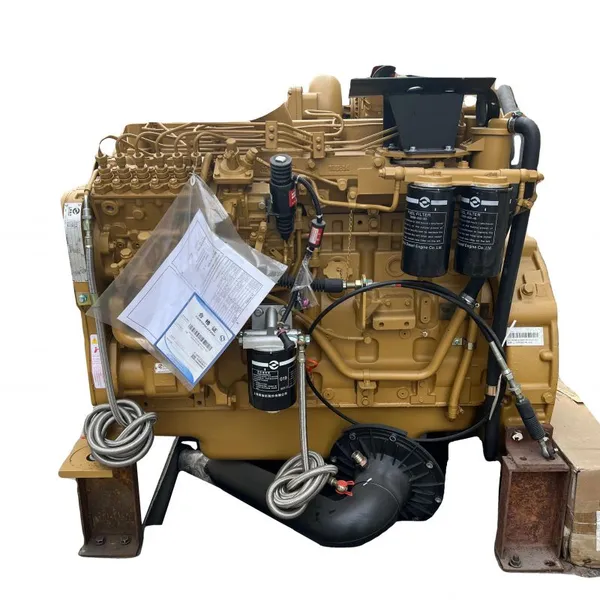
A unit leaves with more than an engine, and the kit check is what turns the C700 designation into a delivery. The accessory list is read against the build, the loose items that travel with the unit are gathered, and the documents that describe what was supplied are placed with the crate. All three steps happen while the unit is still in the bay.
The check is written rather than remembered. Items are ticked as they are placed, and anything that has to be ordered rather than packed is noted on the same sheet with its expected date. Engine warehouse readiness fails most often at this point, because a part promised for later is forgotten once the unit is on the truck.
A photograph of the packed item set closes the check. It costs a minute and answers a question that otherwise arrives a month later, when the crate is open at the destination and nobody can say what was sent.
Jining Pinbo Import and Export runs the check against the order number so the unit, the accessories and the documents are described in one place. At Jining Pinbo Import and Export Co Ltd the note is written before dispatch for that reason, since a list compiled afterwards describes a memory rather than a shipment.
6. KTTA19 Parts Availability: What Cannot Be Held Locally
Some items will not be held near the machine, and pretending otherwise leads to a stocking plan that reads well and performs badly. Large castings, crankshafts, camshafts and complete assemblies are produced in batches, and no sensible holding pattern keeps them beside every plant that runs the engine.
What replaces local holding is a route. The buyer finds out which items can be supplied from stock, which are produced to order, and how long each takes to reach the site. That information belongs in the machine file while the engine is still working, because gathering it during a failure costs days the plant does not have.
A second question belongs with the first. Which of those items can be recovered rather than replaced? Some assemblies can be reworked against the returned unit, which changes both the cost and the lead time. KTTA19 parts availability is a slightly different answer for a plant that plans for exchange than for one that expects a new part on a shelf.
7. KTTA19-C700 Engine Spare Stock: The Arithmetic of Holding Against Waiting
Holding stock costs money in three ways: the price of the part, the space it occupies and the capital tied up in it. Waiting costs money in one way: the hours the machine stands idle. The decision between them turns on the second figure rather than the first, and it is worth writing both down.
The calculation is short. Multiply the hours a failure would cost by the value of an hour of production, add the cost of the repair itself, and compare the total with the cost of holding the part for the period between failures. Items where the waiting cost dominates belong on the shelf in multiples. Items where the holding cost dominates belong against a route with a known lead time.
Most plants end with a modest shelf and a clear plan, which is the sensible outcome for a unit of this size. KTTA19-C700 engine spare stock is not a contest of inventory depth, and a buyer who tries to hold everything has usually paid for a shelf that will never be touched.
8. Engine Warehouse Readiness: The List to Agree Before the Order
Five items belong on a single sheet before the order is placed, and all five should be written rather than discussed. The first is what is supplied with the unit as standard. The second is what will be added to the order and packed with it. The third is what the buyer proposes to hold at the destination.
The fourth is what the supplier can deliver from stock, with the time each item takes to leave. The fifth is what has to be produced to order, with an honest estimate of the interval. Engine warehouse readiness at the destination depends on that sheet as much as readiness at the supplier's end, because both sides need to know where the boundary sits.
One more line is worth adding. Name the person at each end who holds the sheet, so a question during a failure has a destination. Pinbo Import and Export asks for that line on every order above a single unit, since the value of a list is decided by whether anyone can find it.
Jining Pinbo Import and Export keeps the accessory list and the build against the order number, so a part asked for two seasons later is matched to the unit that was actually delivered. Pinbo Power treats that record as part of the supply rather than as paperwork behind it.
9. Frequently Asked Questions
9.1 How should a KTTA19-C700 engine spare stock plan be built?
Start by splitting parts into three categories and treating each differently. Wear items such as filters, belts, hoses and gaskets belong on the shelf in multiples, because consumption is predictable and their absence stops a machine. Aging items such as rubber parts, electronics and stored fluids belong in small numbers with rotation dates. Major assemblies belong against a known route rather than a shelf, and a plan built in that order protects the inexpensive failures first, which is where most of the lost hours sit, while the expensive items are covered by information instead of inventory.
9.2 What does engine warehouse readiness involve at the supplier's end?
It involves space, access and a deadline rather than shelf metres. A unit of this size needs a clear landing area, a route to the working bay and handling gear rated for the load. The bay has to be free on the day the unit arrives so the build can be checked against its accessory list and photographed. Packing materials, bracing and labels belong to the same job, and the deadline is the sailing date, so a warehouse that can receive the engine but cannot move or prepare it has not been made ready in any useful sense.
9.3 What decides KTTA19 parts availability for a plant already running the unit?
It is decided by categories rather than by one figure. Consumables are usually available and their breadth within the family matters more than depth on one number. Major assemblies are produced in batches, so the useful knowledge is which items can be supplied from stock, which are made to order, and how long each takes to arrive. That information belongs in the machine file while the engine is still working, because a plant that gathers it during a failure loses days it cannot recover, and the cost is usually greater than the price difference that caused the delay.
9.4 How does a buyer decide what to hold in stock?
By comparing the two costs honestly. Holding a part costs the price, the space and the capital tied up in it, while waiting costs the hours the machine stands idle multiplied by the value of those hours. Items where the waiting cost dominates belong on the shelf in multiples, while items where the holding cost dominates belong against a route with a known lead time. Writing both figures on one sheet usually settles the argument quickly, and most plants then end with a modest shelf and a written plan, which is the right shape for a unit bought in small numbers.
Recently Posted
-
Supply Chain and Stock Planning for VOLVO D7E Engines
November 19, 2026VOLVO D7E engine stock planning begins with a fact that fleets accept slowly: a spare part and a complete engine are two different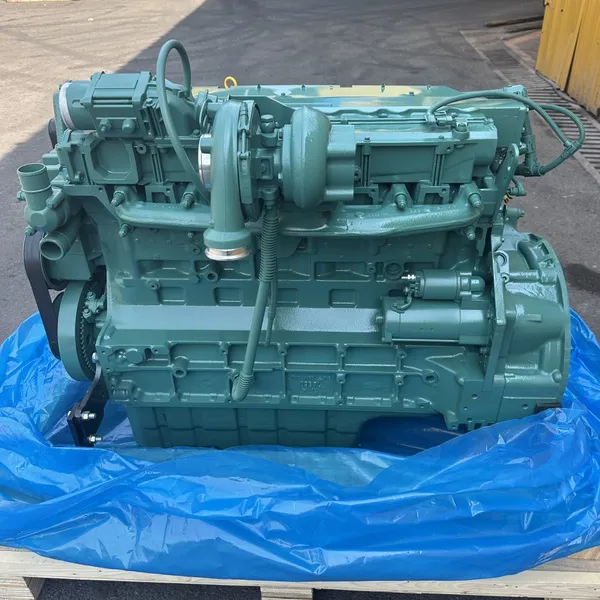 Read More
-
Packing and Dispatch for Compact Kubota V3300 Engines
November 19, 2026A compact industrial engine travels differently from a large one, and Kubota V3300 engine packing is shaped by that difference. A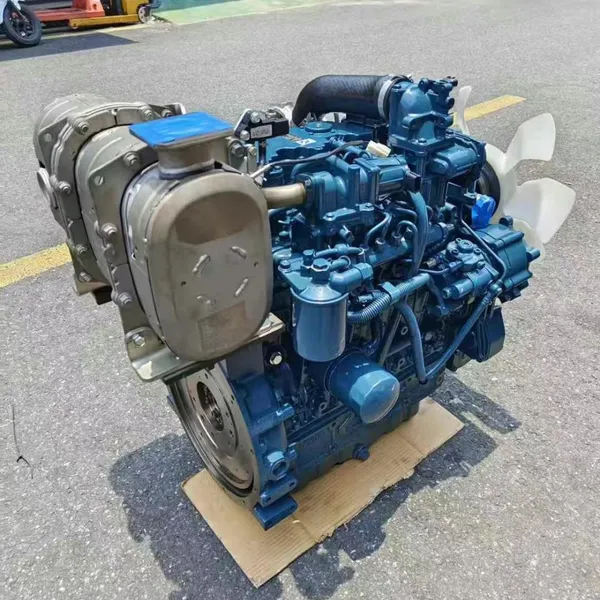 Read More
-
Inspection and Test Records for KTTA19-C700 Engines
November 18, 2026A buyer received a nineteen litre engine with nothing in the crate beyond a packing list and asked for the run note taken before d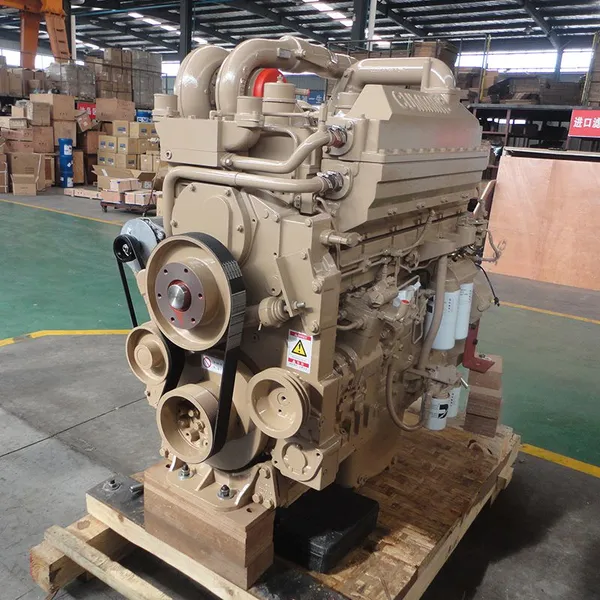 Read More
-
Warranty Terms and Service Support for KTA38-M2 Marine Engines
November 18, 2026A vessel suffered a bearing failure within the first months of service and the claim that followed took far longer to settle than Read More

Contact Us
Recommended Products
-
 New 129 kW QSB6.7 Diesel Engine Excavator Construction Machinery Electric Start Water-Cooled Core Including Motor PumpUS$ 1888.00 - 3888.00MOQ: 1 Unit
-
Wholesale Diesel Engine Genuine 4 Stroke Direct Injection Doosan DL08 Engine for SaleUS$ 4558.00 - 4800.00MOQ: 1 Unit
-
Factory Price DOOSAN DL06 Construction Machinery Motor 6 Cylinder 115kw Water-Cooled With Core Components Engine and PumpUS$ 4752.00 - 5000.00MOQ: 1 Unit
-
Factory Price 4 Stroke 115kw Doosan DB58 Complete Engine Assy for Dx220 ExcavatorUS$ 3450.00 - 3650.00MOQ: 1 Unit
-
Factory Manufacture 123kw 4 Stroke Volvo D6e Machinery Engine for Construction MachineryUS$ 7500.00MOQ: 1 Unit
-
New BF6M2012C 4-stroke Original Water-cooled Diesel EngineUS$ 4500.00 - 5400.00MOQ: 1 Unit
-
Original Water Cooled 4 Stroke 6 Cylinder DEUTZ TCD2012062V Machinery EnginesUS$ 4888.00 - 5081.00MOQ: 1 Unit
-
Factory Outlet 6 Cylinder 250HP 2200rpm 6C8.3-C250 Construction Machinery Engines for CuminsUS$ 34627.00 - 36450.00MOQ: 1 Unit
-
1104D-44TA Diesel Engine 83kw New Water-Cooled Machine With Electric Start and Pump Good Price Per UnitUS$ 3700.00 - 4200.00MOQ: 1 Unit
-
Original Water Cooled 4 Stroke DEUTZ TCD 2013 L06 2V Machinery Engines for SaleUS$ 7070.00 - 7443.00MOQ: 1 Unit
-
Excavator Engine Assy QSL8.9 Complete Engine Assembly CUMMINS Qsl 9 Diesel EngineUS$ 4300.00 - 4600.00MOQ: 1 Unit
-
Genuine Vovo D4d EAE2 Diesel Engine for VOLVO EC140 ExcavatorNegotiableMOQ: 1 Unit
-
Factory Outlet 6 Cylinder 250HP 2200rpm 6C8.3-C250 Construction Machinery Engines for CuminsUS$ 4700.00 - 5100.00MOQ: 1 Unit
-
Good Price 153kw 4 Stroke Electric Start D7E Diesel Engine for Construction MachineryUS$ 8350.00MOQ: 1 Unit
-
WEICHAI 178kw 4 Stroke WD10G240E203 Diesel Engine for SEM660D SEM660B Wheel LoaderUS$ 3920.00 - 4127.00MOQ: 1 Unit
-
Dongfeng Shanghai SC11CB220G2B1 6-Cylinder Diesel Engine 162kw (220hp) SDEC 3306 New Condition Core Included Farm MachineryUS$ 6500.00MOQ: 1 Unit
-
ISUZU 4 Cylinder Diesel Engine 4BG1 Machinery Engines for Kobelco SK135 ExcavatorUS$ 6800.00MOQ: 1 Unit
-
130Hp Diesel Engine YC4D130 Yuchai Diesel Motor Price for TruckUS$ 3400.00 - 3600.00MOQ: 1 Unit
-
Shanghai SDEC SC9D220G2 162KW Diesel Engine for SEM922 SEM921 GraderUS$ 5320.00 - 5600.00MOQ: 1 Unit
-
Factory Outlet Sinotruk D1242 Engine Assembly for Construction IndustryUS$ 4615.00 - 4858.00MOQ: 1 Unit