
 Business License

Doosan DL08 Engines in Mining Loaders: Case Notes from South America
A mining loader working a haul road high in South America was pulled in after the coolant gauge drifted upward through a shift and settled back overnight. The engine was sound. The radiator core had been packed on the outside by fine dust the machine had raised all day, and no internal fault explained the reading at all.
Machines in that setting run more hours in a month than a comparable unit in a seasonal operation runs in a season, and they run them in dust, thin air and a wide daily temperature swing. The failure pattern that follows is different from the one a workshop sees on general construction.
These DL08 engine case notes collect what repeats across mining loader work in the region, from the duty the machine imposes to the cooling margin, the parts holding and the records worth keeping on a DL08 engine in mining loaders.
1. DL08 Engine in Mining Loaders: What the Site Demands
A DL08 engine in mining loaders works a duty built around the haul cycle, and the cycle repeats far more times a day than on a general construction site.
The loader fills a bucket from a face or a stockpile, travels loaded to a truck or a crusher, dumps, and returns empty. Each pass loads the engine, then unloads it, then loads it again, and a machine on continuous shifts completes hundreds of those passes between services.
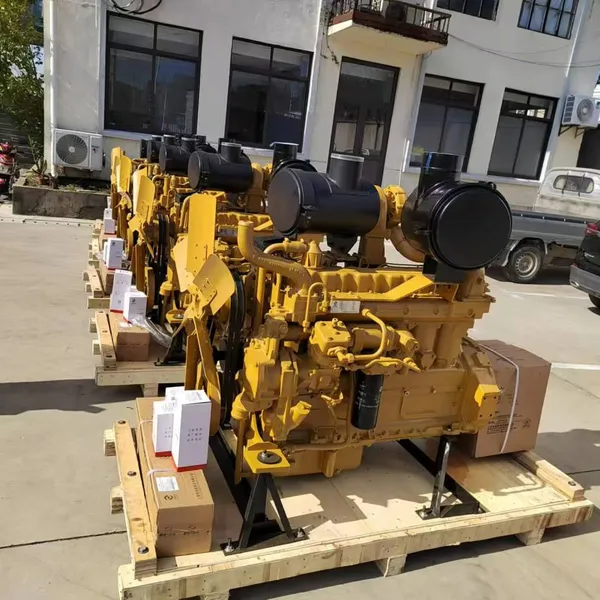
The engine that suits this work is the larger six cylinder class rather than a compact unit. A displacement in the region of seven and a half litres carries the breakout and the lift through a loaded travel without holding the engine at its governed speed for the whole pass.
The point of the size is margin rather than peak figure. A machine that keeps its cycle time through the last hour of a shift is worth more than one that holds it while the engine is fresh and loses it once the radiator is fouled.
2. South America Mining Engine Conditions: Dust, Altitude and Shift Length
A South America mining engine faces three conditions at once, and each one has a measurable effect on service.
Dust arrives in volume, because the loader works at ground level in the material it has just disturbed and the haul road is watered when a tanker is free. Fine dust reaches the radiator core, the air cleaner and every joint in the intake path.
Altitude reduces the mass of air the turbocharger can move, so a machine rated at sea level produces less at three thousand metres and works harder for the same bucket. The practical figure is roughly one percent of output per three hundred metres, which puts much of a highland fleet beyond its catalogue rating.
Shift length compounds both. A machine worked around the clock reaches its service interval in weeks rather than months, so a filter that would last a season on a single shift machine is changed several times over the same calendar period.
| Condition | Effect on the loader | Working response |
|---|---|---|
| Sustained fine dust | Blinded radiator core, intake restriction | Core washed on a schedule, restriction gauge fitted |
| Altitude above two thousand metres | Lower air mass, higher exhaust temperature | Fuel setting matched to the site |
| Continuous shifts | Service interval reached in weeks | Parts held against hours rather than the calendar |
Pinbo Import and Export asks for site altitude, dust level and shift pattern on every loader enquiry, because a quotation that ignores them describes a different machine from the one on the haul road.
3. Why Mining Loaders Move the DL08 Engine's Working Point
A mining loader moves the working point of its engine away from the point a general construction machine occupies, and the difference shows up in heat rather than in power.
The loaded travel is the part that separates the two duties. A machine that carries a full bucket up a grade holds a high load for a sustained interval, which sends a steady heat load into the coolant rather than a series of short pulses.
A sustained load of that kind raises the coolant and the oil temperature together, and it asks the cooling package to hold its margin for longer than an intermittent duty does. Where the package is sized for a milder site, the loss of margin appears first as a rising gauge and later as a derate.
The size of the engine helps here as much as the cooling does. A unit with displacement to spare carries the travel at part throttle, which leaves the coolant temperature steadier across the pass than a smaller engine run closer to its limit.
4. DL08 Engine Case Notes: The Cooling Package at Altitude
DL08 engine case notes from highland sites keep returning to the cooling package, and the fault at the opening of this article belongs to that group.
Thin air cuts both ways. It reduces the air mass the turbocharger can move, and it reduces the mass the fan can pass across the core, so a radiator sized at sea level loses capacity at the same time as the engine asks for more. A package that holds temperature in a coastal yard can run out of margin before the ambient temperature reaches its design figure.
Dust on the outside of the core is the second cause. A core that is clean in the morning can be part blinded by the end of a shift, and a blinded core raises the operating temperature at every load without any internal fault to find.
Pinbo Power recommends a core wash and a coolant condition check on a daily or weekly cycle at these sites rather than at the base service interval, because the cost of both is a fraction of a radiator or a head gasket. A shroud or baffle that leaks is worth checking in the same pass, since a shroud that lets air bypass the core produces the same reading as a fouled one.
5. South America Mining Engine: Parts Planning Over Distance
A South America mining engine is supported by a parts chain that is measured in weeks, and that changes what belongs on the shelf.
A remote site may sit two to three weeks from a coastal port, and a single air filter ordered when a failure is visible arrives after several more loads have been carried. A fleet that plans around the calendar rather than around hours reaches its next breakdown before its next delivery.
The practical response is a consumable kit held against the duty cycle. Filters, coolant conditioner, belts and hoses that move on a predictable schedule are easier to hold and cheaper to store than a set of individual parts ordered under pressure.
Pinbo Import and Export supports fleets that plan parts against expected hours, so a store carries what the machine will consume rather than what the last failure happened to need.
| Item | Working environment | Typical holding at these sites |
|---|---|---|
| Air filters | Fine dust, continuous shifts | Several changes per month |
| Coolant conditioner | Hard water, high altitude | One test per core wash |
| Belts and hoses | Continuous heat cycling | One set per season |
| Fuel filters | Fuel stored on site | Two changes per month |
6. DL08 Engine Case Notes: Intake and Fuel at High Dust
DL08 engine case notes on intake and fuel describe the same story in two places, since both turn on what reaches the engine through a filter.
An air cleaner that is correctly sized in a quarry can be marginal where the dry season runs for months. A leak past a badly seated element reaches the cylinders directly and shows up later as ring and liner wear, which is one of the few faults that points back to the intake rather than to the cooling system.
Fuel quality matters more at remote sites, where tanks are filled less often and condensation collects at the bottom. Water separators and fuel filters belong on the pre-shift check list when a fleet stores its own diesel, because injection damage from water is expensive and entirely avoidable.
The measurements worth taking are simple. A restriction reading replaces a visual check of the element, and a drain of the water separator at each shift replaces an assumption that the fuel is clean.
7. South America Mining Engine: Oil Sampling and Component Life
A South America mining engine rewards oil sampling more than it rewards any other single habit, because the interval between failures is short and the cost of a failure is high.
Iron, copper and silicon trends read together tell the story of a loader engine. Silicon rising on its own points at the intake rather than at the wear surfaces, while iron and copper climbing together point at bearings or liners.
Those trends let a fleet plan a component replacement at a service stop rather than discover it on a haul road. On a machine that works continuous shifts, an unplanned stop costs the production of every hour the loader is down, which is usually a larger figure than the part itself.
Pinbo Power keeps sampling in the same record as the hour meter reading, so a trend is read against hours worked rather than against calendar time. That is what turns a set of numbers into a replacement date.
8. DL08 Engine in Mining Loaders: Handover Before Full Service
A DL08 engine in mining loaders is ready when the machine works in the worst conditions the site produces, not when it starts.
Before full service, confirm the fuel setting against site altitude, check the cooling package against the derated output, and trace the intake path from the pre-cleaner to the manifold. Those three checks cover most of the failures that appear in the first week of a mining duty.
Then run the machine for a full shift with an operator who knows the site. Small complaints that surface in the first hours are cheaper to correct than the same complaints reported after a week of production has been lost.
Jining Pinbo Import and Export Co Ltd keeps those checks on a single sheet that travels with the shipment, because a list that arrives with the machine gets used and a manual that stays in an office does not.
9. Frequently Asked Questions
9.1 Why do these DL08 engine case notes focus on cooling?
These DL08 engine case notes focus on cooling because the cooling package runs out of margin before the engine itself fails in mining duty. A loader on a haul road holds a sustained load up a grade, which sends a steady heat load into the coolant rather than a series of short pulses. At altitude the fan passes less air while the engine asks for more, and fine dust blinds the core through a shift. The result appears first as a rising gauge and later as a derate.
9.2 What makes a South America mining engine duty harder than general construction?
A South America mining engine works a duty built around the haul cycle rather than around occasional digging, so the load rises and falls hundreds of times a day and the machine often runs continuous shifts. Dust arrives in volume because the loader works at ground level in material it has just disturbed. Altitude removes air mass, so a machine rated at sea level works harder for the same bucket. Shift length then brings the service interval forward to weeks rather than months.
9.3 How should parts be planned for a DL08 engine in mining loaders?
Parts for a DL08 engine in mining loaders should be planned against expected hours rather than the calendar, because a site can sit two to three weeks from a coastal port. A consuming kit of filters, coolant conditioner, belts and hoses held against the duty cycle is easier to store and cheaper than individual parts ordered once a failure is visible. Air filters move several times a month under fine dust, and fuel filters follow the water content of fuel stored on site. Holding against hours keeps the loader working between deliveries.
9.4 What should be checked before a mining loader goes into full service?
Three checks cover most first week failures, and all three belong before full service. Confirm the fuel setting against the altitude of the site, because the derate is real and the pump has to match it. Check the cooling package against the derated output rather than the catalogue figure, including the core and the shrouds. Trace the intake path from the pre-cleaner to the manifold for leaks that would reach the cylinders, and then run a shift with an experienced operator to catch what the checks do not.
Recently Posted
-
Export Packing and Shipping for DEUTZ BF6M1015 Engines
November 16, 2026A pump station took delivery of an engine that looked sound on the outside of the crate and had a rusted cylinder bore inside it.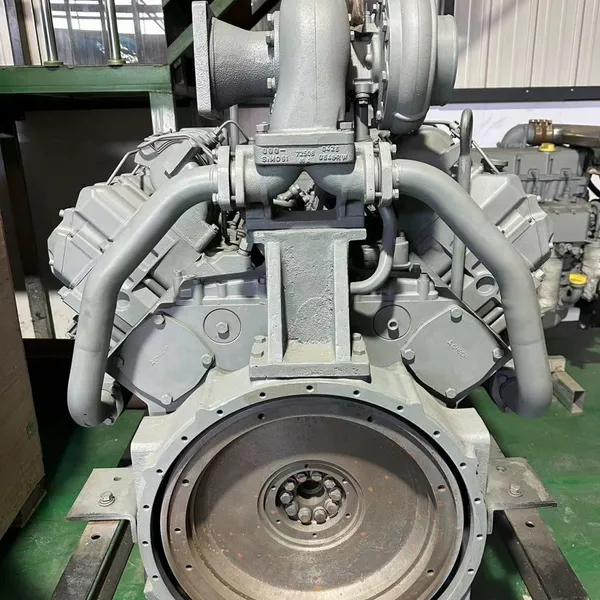 Read More
-
Quality Inspection Points for 6CTA8.3-C260 Engine Shipments
November 16, 2026An engine that had passed every bench check arrived at a port after six weeks in a container and would not turn over. The cranksha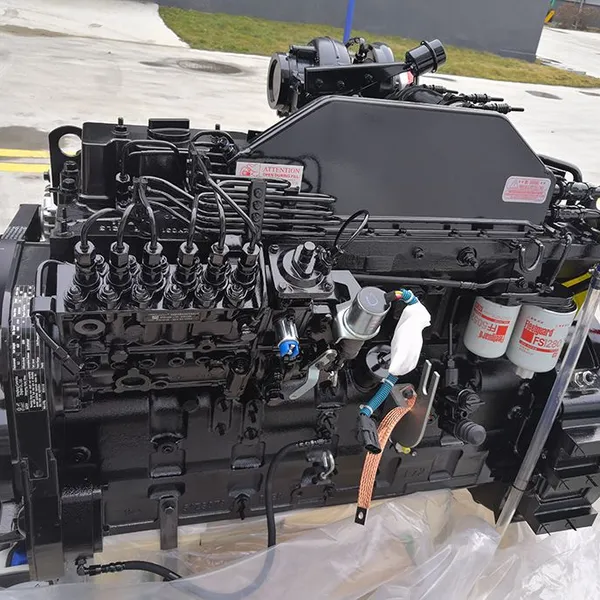 Read More
-
VOLVO D8H Engines in Quarry Equipment in South America
November 16, 2026Quarry work in South America rarely means one machine. It means a line: a feed, a primary crusher, a screen deck and the conveyors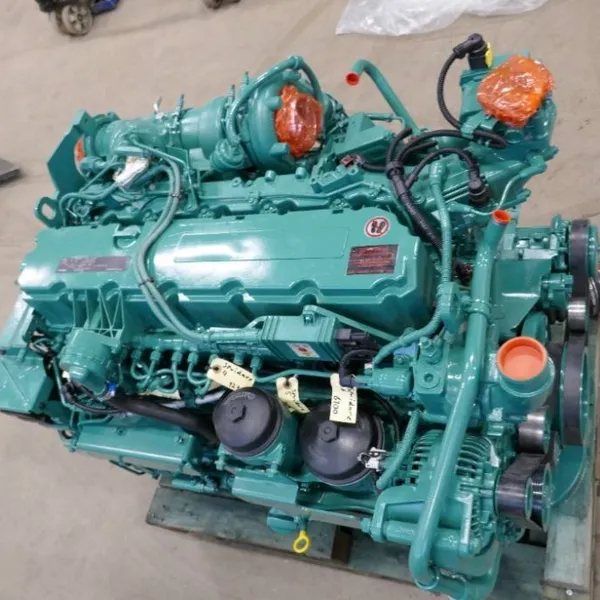 Read More
-
VOLVO D8H Engines in Heavy Trucks: Eastern European Haulage
November 13, 2026A D8H engine in heavy trucks works under conditions that differ from every other setting the unit appears in. The vehicle spends i Read More

Contact Us
Recommended Products
-
 New 129 kW QSB6.7 Diesel Engine Excavator Construction Machinery Electric Start Water-Cooled Core Including Motor PumpUS$ 1888.00 - 3888.00MOQ: 1 Unit
-
Wholesale Diesel Engine Genuine 4 Stroke Direct Injection Doosan DL08 Engine for SaleUS$ 4558.00 - 4800.00MOQ: 1 Unit
-
Factory Price DOOSAN DL06 Construction Machinery Motor 6 Cylinder 115kw Water-Cooled With Core Components Engine and PumpUS$ 4752.00 - 5000.00MOQ: 1 Unit
-
Factory Price 4 Stroke 115kw Doosan DB58 Complete Engine Assy for Dx220 ExcavatorUS$ 3450.00 - 3650.00MOQ: 1 Unit
-
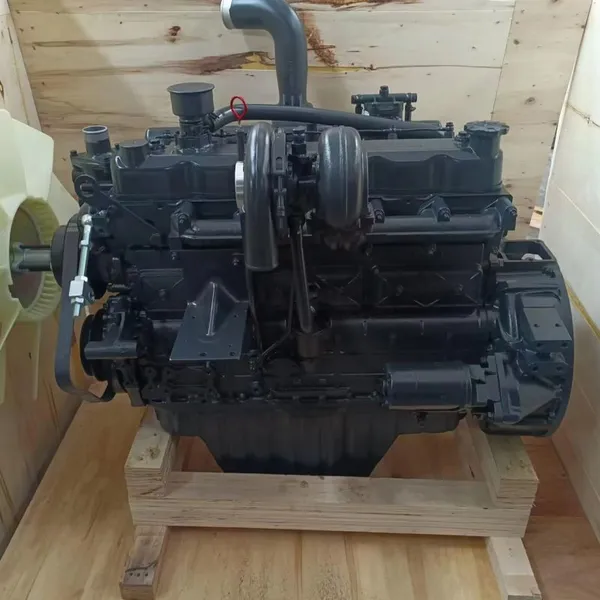
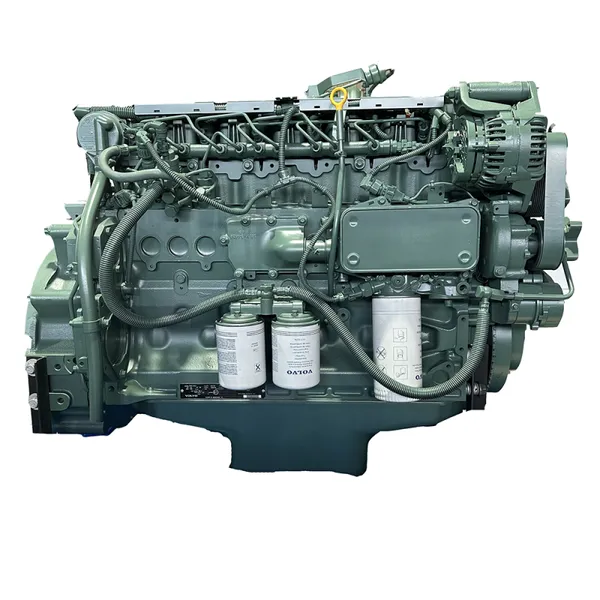
Factory Manufacture 123kw 4 Stroke Volvo D6e Machinery Engine for Construction MachineryUS$ 7500.00MOQ: 1 Unit
-
New BF6M2012C 4-stroke Original Water-cooled Diesel EngineUS$ 4500.00 - 5400.00MOQ: 1 Unit
-
Original Water Cooled 4 Stroke 6 Cylinder DEUTZ TCD2012062V Machinery EnginesUS$ 4888.00 - 5081.00MOQ: 1 Unit
-
Factory Outlet 6 Cylinder 250HP 2200rpm 6C8.3-C250 Construction Machinery Engines for CuminsUS$ 34627.00 - 36450.00MOQ: 1 Unit
-
1104D-44TA Diesel Engine 83kw New Water-Cooled Machine With Electric Start and Pump Good Price Per UnitUS$ 3700.00 - 4200.00MOQ: 1 Unit
-
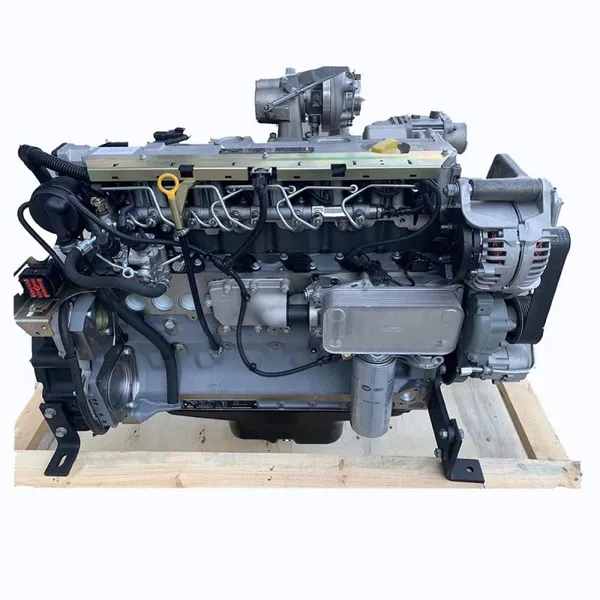
Original Water Cooled 4 Stroke DEUTZ TCD 2013 L06 2V Machinery Engines for SaleUS$ 7070.00 - 7443.00MOQ: 1 Unit
-
Excavator Engine Assy QSL8.9 Complete Engine Assembly CUMMINS Qsl 9 Diesel EngineUS$ 4300.00 - 4600.00MOQ: 1 Unit
-
Genuine Vovo D4d EAE2 Diesel Engine for VOLVO EC140 ExcavatorNegotiableMOQ: 1 Unit
-
Factory Outlet 6 Cylinder 250HP 2200rpm 6C8.3-C250 Construction Machinery Engines for CuminsUS$ 4700.00 - 5100.00MOQ: 1 Unit
-
Good Price 153kw 4 Stroke Electric Start D7E Diesel Engine for Construction MachineryUS$ 8350.00MOQ: 1 Unit
-
WEICHAI 178kw 4 Stroke WD10G240E203 Diesel Engine for SEM660D SEM660B Wheel LoaderUS$ 3920.00 - 4127.00MOQ: 1 Unit
-
Dongfeng Shanghai SC11CB220G2B1 6-Cylinder Diesel Engine 162kw (220hp) SDEC 3306 New Condition Core Included Farm MachineryUS$ 6500.00MOQ: 1 Unit
-
ISUZU 4 Cylinder Diesel Engine 4BG1 Machinery Engines for Kobelco SK135 ExcavatorUS$ 6800.00MOQ: 1 Unit
-
130Hp Diesel Engine YC4D130 Yuchai Diesel Motor Price for TruckUS$ 3400.00 - 3600.00MOQ: 1 Unit
-
Shanghai SDEC SC9D220G2 162KW Diesel Engine for SEM922 SEM921 GraderUS$ 5320.00 - 5600.00MOQ: 1 Unit
-
Factory Outlet Sinotruk D1242 Engine Assembly for Construction IndustryUS$ 4615.00 - 4858.00MOQ: 1 Unit