
 Business License

Doosan DL06 Engines in Excavators: Operator Experience from Southern Europe
A contractor working demolition sites in southern Europe ran two mid size excavators side by side through a summer, and the operator complaints had nothing to do with the engine's output figures. The machine that caused least trouble was the one whose cooling package was cleaned weekly, and the difference between the two showed up in the afternoon rather than at the start of the shift.
Excavator work in this region puts a specific combination on an engine. Summer temperatures hold high for months, the hydraulic load follows the operator rather than a schedule, and much of the work happens in cities where the machine has to be quiet as well as productive.
These notes collect the Doosan DL06 engine in excavators experience reported by owners and operators across southern Europe, describe the working conditions that a Southern Europe excavator engine has to meet, and set out the DL06 engine operator feedback that a fleet can plan around rather than discover.
1. Doosan DL06 Engine in Excavators: What the Field Reports
The Doosan DL06 engine in excavators is reported as a steady unit whose behaviour is decided by the installation and the hydraulic demand around it.
Operators describe an engine that holds its working speed under a load and recovers quickly when the load comes off. In an excavator that quality matters more than a peak figure, because the pump follows the stick and the bucket through every cycle rather than settling at one demand.
Owners report the same pattern from the other side. The engines that reach their service intervals without incident are fitted in machines whose cooling and intake systems are kept in condition, and the ones that cause trouble are usually the ones where those systems have been neglected.
That distinction is worth stating plainly, since an engine of this class is rarely the part of the machine that fails first. Most of what an operator experiences as an engine problem begins outside the block.
Pinbo Power records the same pattern across export enquiries for this series, and the first question asked about a complaint is usually about the cooling and intake path.
2. Southern Europe Excavator Engine Working Conditions
A Southern Europe excavator engine works in a combination of conditions that few test cells reproduce, and each one has a measurable effect on service life.
Summer ambient temperature is the first. Weeks above the mid thirties raise the temperature of the air entering the cooling package and reduce the margin available under a hard load, and the effect is largest in the afternoon when the site is at its busiest.
Urban work is the second. Excavators on demolition and utility sites spend long periods at part load with the engine idling between movements, which keeps combustion temperatures low and lets fuel reach the lubricating oil.
Quarry and mountain work forms the third. There the duty is heavier and more continuous, and the machine may work at an angle that changes how oil returns to the sump and how fuel reaches the pick-up.
The table below sets those conditions against the response that pays for itself over a season.
| Condition | Effect on the machine | Working response |
|---|---|---|
| Sustained summer heat | Reduced cooling margin under load | Clean the core and check the fan drive before the season |
| Long periods at part load | Fuel dilution, low combustion temperature | Shorter oil intervals, sample the oil |
| Quarry or slope work | Heavier continuous duty, oil return affected by angle | Check the sump level and the pick-up position |
Each of those rows is easier to close before the season than during it, and none of them asks for a change to the engine itself.
3. Doosan DL06 Engine in Excavators Through a Shift Cycle
The Doosan DL06 engine in excavators spends its day following a hydraulic pump, and the shape of that duty explains most of what an operator notices.
A digging cycle alternates between a heavy demand at the bucket and a light demand during the swing and dump. The engine speeds up and slows down with that cycle rather than running at a constant point, so its average load sits below its peak for most of the shift.
That pattern rewards an engine that holds speed under a step change, because the pump takes its demand from the same shaft. An engine that sags under the step forces the hydraulic system to compensate, and the operator feels the result as a machine that loses its rhythm when the bucket loads.
The pattern also explains the fuel use reported on these machines. Consumption tracks the average demand over the shift rather than the peak, which is why two operators on the same site can report different figures from the same machine.
A fleet that wants comparable numbers should measure over a full cycle rather than over a single bucket, since a reading taken at the wrong moment describes the operator rather than the engine.
4. Southern Europe Excavator Engine Cooling in a Hot Season
Cooling is where a Southern Europe excavator engine meets its hardest test, and it is the system most often left until a fault appears.
The radiator and the charge air cooler share the air path, and both sit behind a screen that collects dust, straw and debris through the working week. A core that is half blocked reduces the airflow at the moment the ambient temperature is highest, and the loss of margin appears under load rather than at idle.
The fan drive deserves the same attention. A viscous hub that no longer locks up will let the engine idle at a normal temperature, then allow it to rise the moment the load comes on in the middle of the afternoon.
Coolant condition belongs in the same check. Additives deplete over time, and coolant that has lost its protection allows scale and corrosion that insulate the very surfaces meant to reject heat.
Operators in the region report that a weekly clean of the cooling package does more for reliability through a summer than any other routine on the machine, and the observation is consistent with what the system is asked to do.
5. DL06 Engine Operator Feedback on Response and Fuel Use
DL06 engine operator feedback from southern Europe concentrates on two things, and neither of them is the rated output on the specification sheet.
Response is the first. Operators describe the machine as quick to pick up when the bucket bites, and they connect that quality to the way the engine holds its speed under a step change rather than to any figure in the manual.
Fuel use is the second, and it is the item that generates the most discussion and the least agreement. Reported consumption depends on the material, the depth of cut, the swing distance and how much the machine idles between movements, so two figures taken on different sites are not comparable.
A useful figure comes from measuring one machine on one site across a full cycle, then comparing that machine with itself after a change. A fleet that works this way learns more about its engines than one that compares a single number with a published table.
Pinbo Import and Export asks for the duty and the average cycle when a buyer raises a fuel question, because a figure quoted without them cannot be checked against anything.
6. Doosan DL06 Engine in Excavators on Urban and Noise Limited Sites
The Doosan DL06 engine in excavators is increasingly judged on how it behaves in a city as much as on how it performs in a quarry.
Urban sites set limits on sound levels and on the hours when work may continue. An engine that runs quietly at part load suits that environment, and a machine held at a steady moderate demand produces less noise than one worked through repeated hard steps.
Those schedules also change the duty the engine sees. Machine hours accumulate with a larger share at idle, which affects the oil and the exhaust side rather than the wearing surfaces alone.
Emissions arrangements follow the same line. Equipment working in cities is subject to the stage in force for the market, and the engine fitted to a machine has to match the stage that market applies. A buyer moving a machine between markets checks that point before the machine is committed to the site.
Pinbo Power treats the market as part of the machine specification for that reason, and asks which stage applies before offering a build rather than after.
7. Southern Europe Excavator Engine Parts and Dealer Support
Parts support for a Southern Europe excavator engine is usually a question of distance rather than of availability.
The region is well served by dealer networks and by independent workshops, and common service items are held in stock across most of it. That makes a planned service straightforward and separates the region from areas where a filter set can take weeks to arrive.
The advantage disappears in remote work. A machine on a mountain road project or on an island site may be several hours from the nearest dealer, and the fleet has to hold its own consumables rather than rely on a same day delivery.
A workshop that keeps a set of filters, a water pump, a belt set and a set of injectors on the shelf covers the faults that account for most unplanned stops. The cost of holding those items is small against a week of lost production.
Where a build specific part is needed, the plate gives the reference and the order arrives against it rather than against a general description.
8. DL06 Engine Operator Feedback at Handover
DL06 engine operator feedback is worth collecting at handover, and the first shift is the moment to collect it.
A machine returned to service after a repair or a repower should be run for a full cycle before it is accepted. Small complaints raised in the first hours are cheaper to correct than the same complaints reported after a week of production, and an operator who knows the machine will notice a change the workshop cannot.
Three items belong on the handover sheet. The engine should reach and hold its working temperature across a full cycle, the exhaust should run clean once warm, and the response under a loaded step should match what the machine did before the work.
Jining Pinbo Import and Export Co Ltd keeps those checks on a single sheet that travels with the machine, because a list that goes out with the shipment is used and a manual that stays in an office is not.
Recording the first shift also gives the fleet a baseline. When a question arises later about whether the engine has changed, the handover notes are what settle it.
9. Frequently Asked Questions
9.1 How does the Doosan DL06 engine in excavators handle summer heat in southern Europe?
The Doosan DL06 engine in excavators handles summer heat well when the cooling package is maintained, because the engine itself is not usually the limit. Sustained ambient temperatures above the mid thirties reduce the margin available under a hard load, and a core that is partly blocked takes most of that margin away. Cleaning the radiator and charge air cooler weekly, and checking that the fan drive still locks up, restores the margin at no cost. Coolant condition belongs in the same check, since depleted additives allow scale that insulates the surfaces meant to reject heat.
9.2 What shapes a Southern Europe excavator engine duty cycle?
A Southern Europe excavator engine follows a hydraulic pump through a digging cycle rather than running at a constant point. The demand rises sharply at the bucket and falls away during the swing and dump, so the average load sits below the peak for most of the shift. Urban sites add long periods at part load with the engine idling between movements, while quarry and slope work makes the duty heavier and more continuous with a machine angle that can affect how oil returns to the sump. Those conditions are worth establishing before the season rather than during it.
9.3 What does DL06 engine operator feedback say about fuel use?
DL06 engine operator feedback on fuel use varies widely between sites, and the variation is mostly about the work rather than the engine. Reported consumption depends on the material, the depth of cut, the swing distance and how much time the machine spends idling between movements. Two figures taken on different sites cannot be compared, and even two operators on the same machine will report different numbers, so a useful measurement covers one machine on one site across a full cycle and then repeats after a change. Pinbo Import and Export asks for the duty and the average cycle before discussing a figure.
9.4 How is DL06 engine operator feedback collected at handover?
DL06 engine operator feedback is worth collecting on the first full cycle after a repair or a repower, when the machine is returned to service. Three items belong on the handover sheet: whether the engine reaches and holds working temperature across the cycle, whether the exhaust runs clean once warm, and whether the response under a loaded step matches what the machine did before. An operator who knows the machine will notice a change a workshop cannot, and small complaints raised in the first hours are cheaper to fix than the same ones reported after a week. The notes then serve as a baseline for later questions.
Recently Posted
-
Export Packing and Shipping for DEUTZ BF6M1015 Engines
November 16, 2026A pump station took delivery of an engine that looked sound on the outside of the crate and had a rusted cylinder bore inside it. Read More
-
Quality Inspection Points for 6CTA8.3-C260 Engine Shipments
November 16, 2026An engine that had passed every bench check arrived at a port after six weeks in a container and would not turn over. The cranksha Read More
-
VOLVO D8H Engines in Quarry Equipment in South America
November 16, 2026Quarry work in South America rarely means one machine. It means a line: a feed, a primary crusher, a screen deck and the conveyors Read More
-
VOLVO D8H Engines in Heavy Trucks: Eastern European Haulage
November 13, 2026A D8H engine in heavy trucks works under conditions that differ from every other setting the unit appears in. The vehicle spends i Read More

Contact Us
Recommended Products
-
 New 129 kW QSB6.7 Diesel Engine Excavator Construction Machinery Electric Start Water-Cooled Core Including Motor PumpUS$ 1888.00 - 3888.00MOQ: 1 Unit
-
Wholesale Diesel Engine Genuine 4 Stroke Direct Injection Doosan DL08 Engine for SaleUS$ 4558.00 - 4800.00MOQ: 1 Unit
-
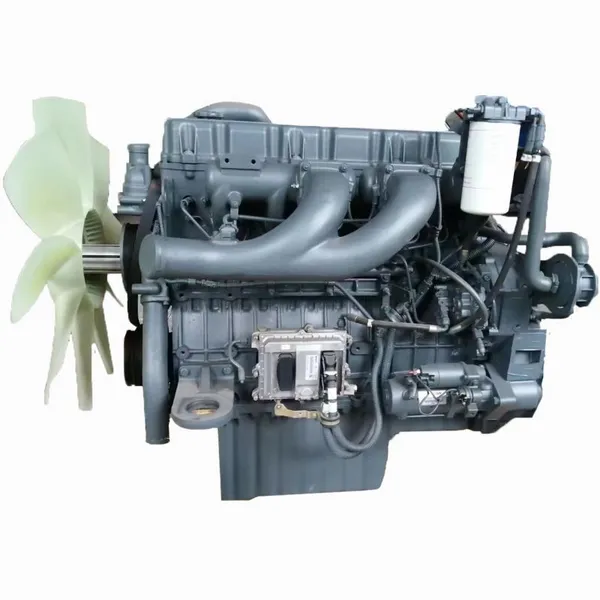
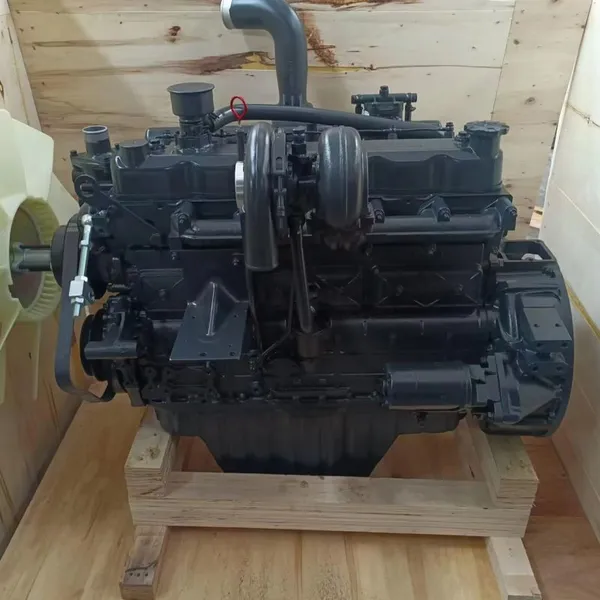
Factory Price DOOSAN DL06 Construction Machinery Motor 6 Cylinder 115kw Water-Cooled With Core Components Engine and PumpUS$ 4752.00 - 5000.00MOQ: 1 Unit
-
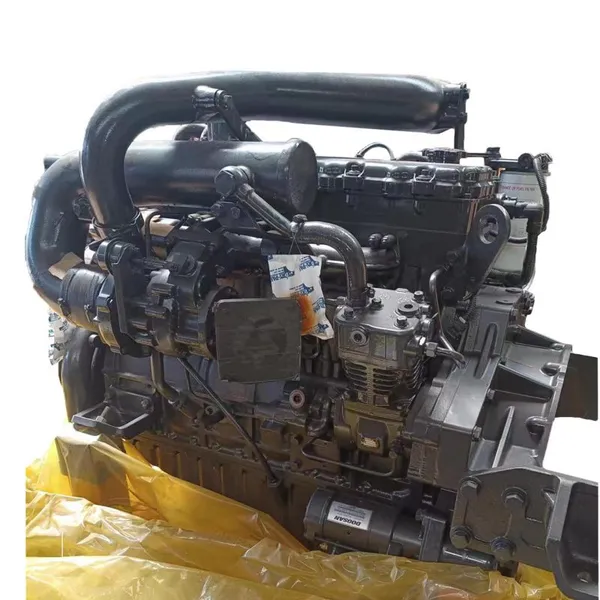
Factory Price 4 Stroke 115kw Doosan DB58 Complete Engine Assy for Dx220 ExcavatorUS$ 3450.00 - 3650.00MOQ: 1 Unit
-
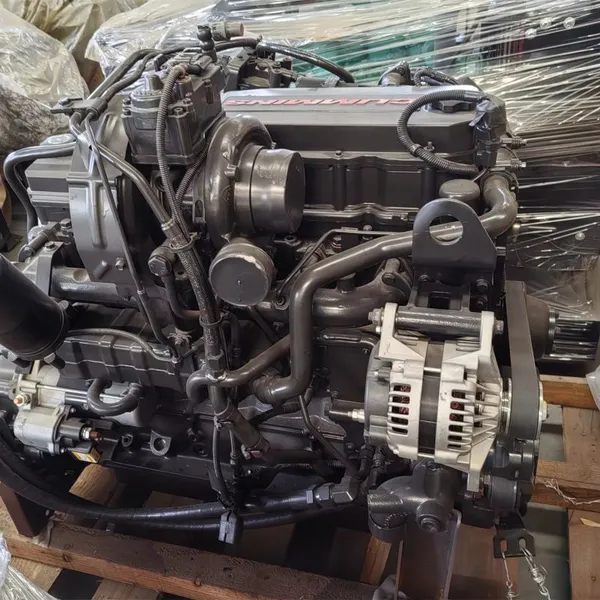
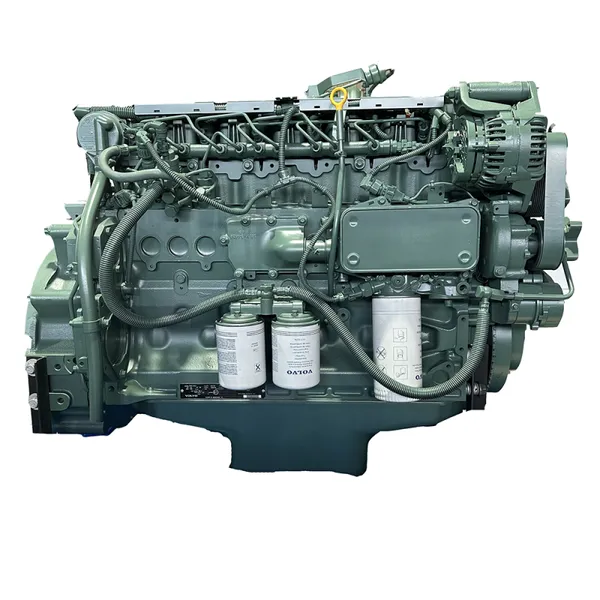
Factory Manufacture 123kw 4 Stroke Volvo D6e Machinery Engine for Construction MachineryUS$ 7500.00MOQ: 1 Unit
-
New BF6M2012C 4-stroke Original Water-cooled Diesel EngineUS$ 4500.00 - 5400.00MOQ: 1 Unit
-
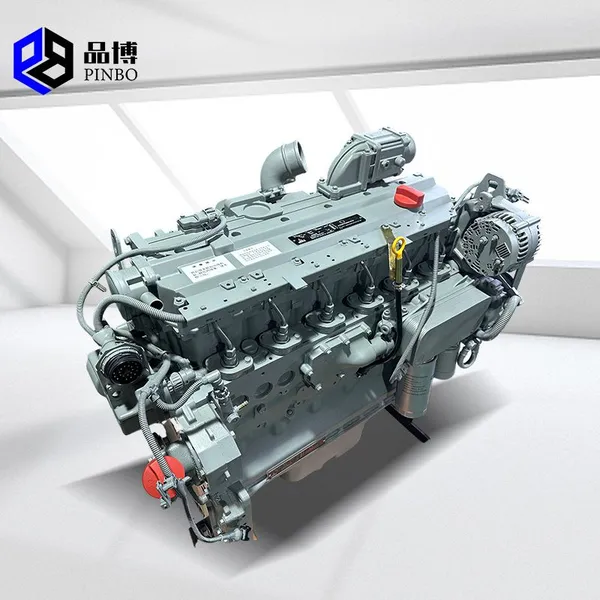
Original Water Cooled 4 Stroke 6 Cylinder DEUTZ TCD2012062V Machinery EnginesUS$ 4888.00 - 5081.00MOQ: 1 Unit
-
Factory Outlet 6 Cylinder 250HP 2200rpm 6C8.3-C250 Construction Machinery Engines for CuminsUS$ 34627.00 - 36450.00MOQ: 1 Unit
-
1104D-44TA Diesel Engine 83kw New Water-Cooled Machine With Electric Start and Pump Good Price Per UnitUS$ 3700.00 - 4200.00MOQ: 1 Unit
-
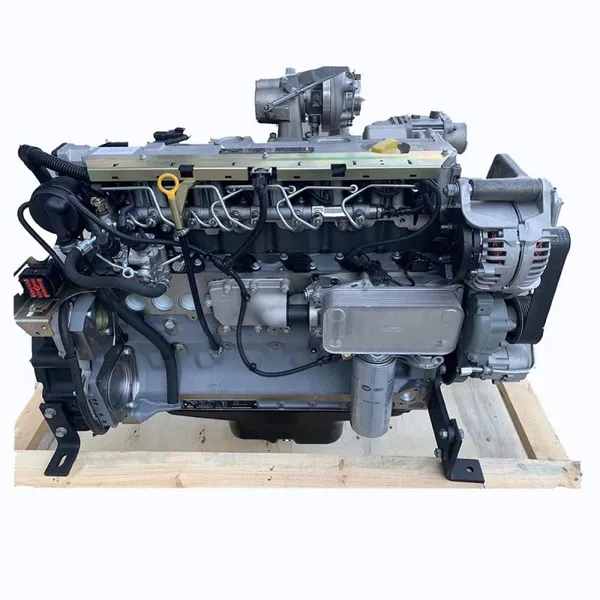
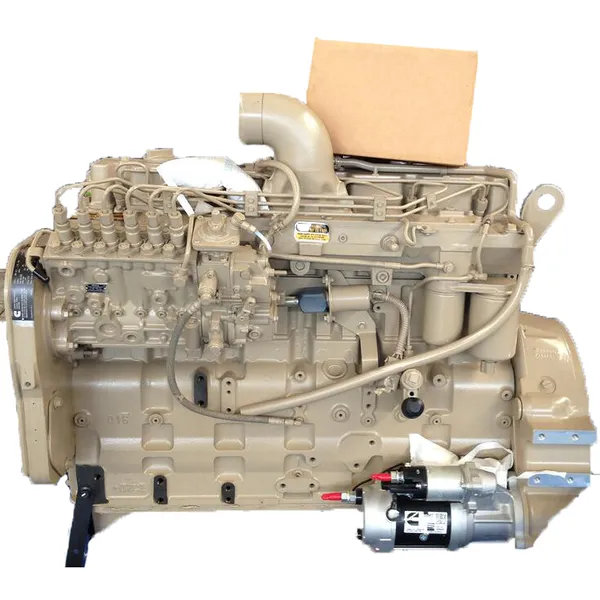
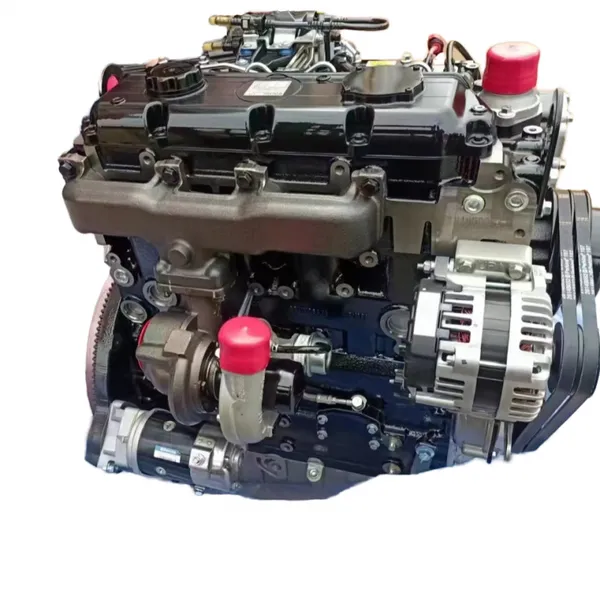
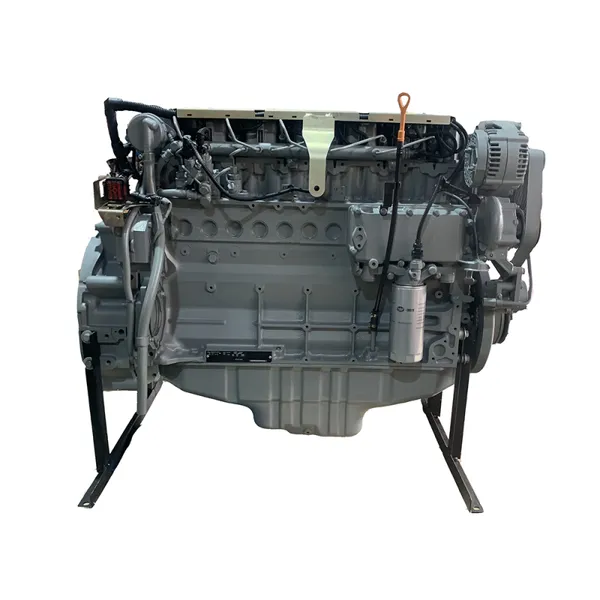
Original Water Cooled 4 Stroke DEUTZ TCD 2013 L06 2V Machinery Engines for SaleUS$ 7070.00 - 7443.00MOQ: 1 Unit
-
Excavator Engine Assy QSL8.9 Complete Engine Assembly CUMMINS Qsl 9 Diesel EngineUS$ 4300.00 - 4600.00MOQ: 1 Unit
-
Genuine Vovo D4d EAE2 Diesel Engine for VOLVO EC140 ExcavatorNegotiableMOQ: 1 Unit
-
Factory Outlet 6 Cylinder 250HP 2200rpm 6C8.3-C250 Construction Machinery Engines for CuminsUS$ 4700.00 - 5100.00MOQ: 1 Unit
-
Good Price 153kw 4 Stroke Electric Start D7E Diesel Engine for Construction MachineryUS$ 8350.00MOQ: 1 Unit
-
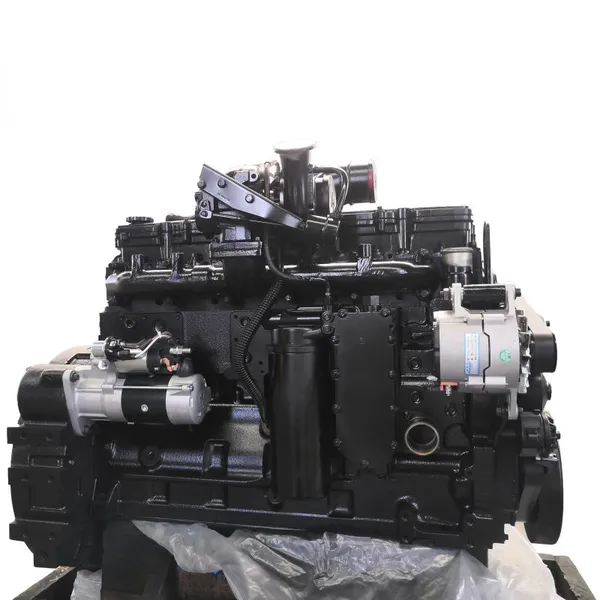
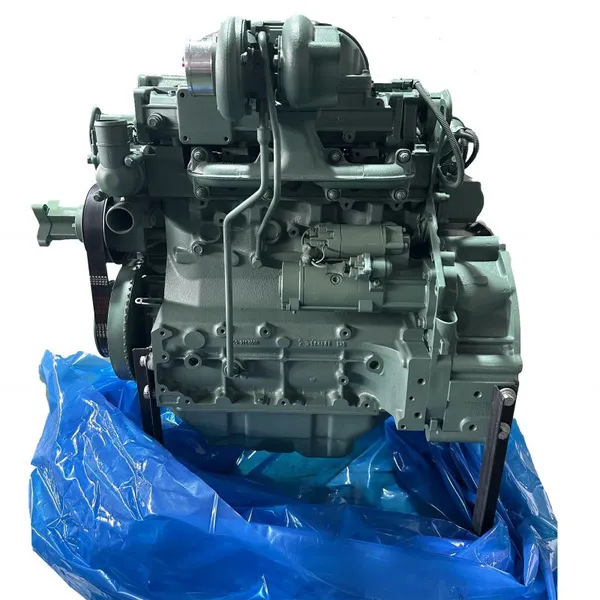
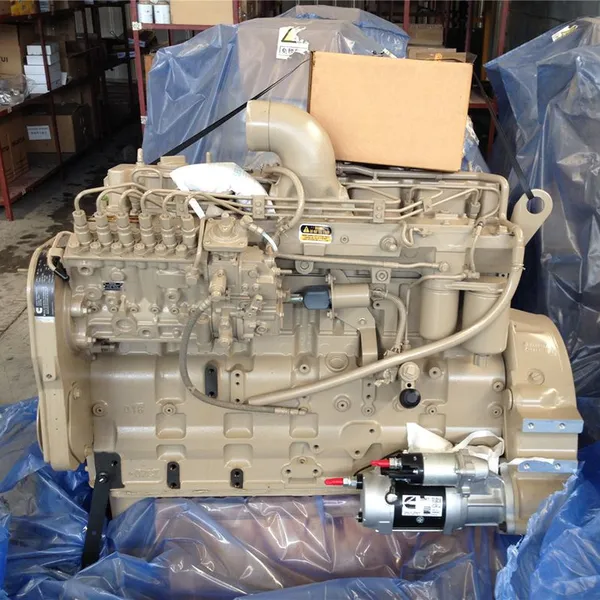
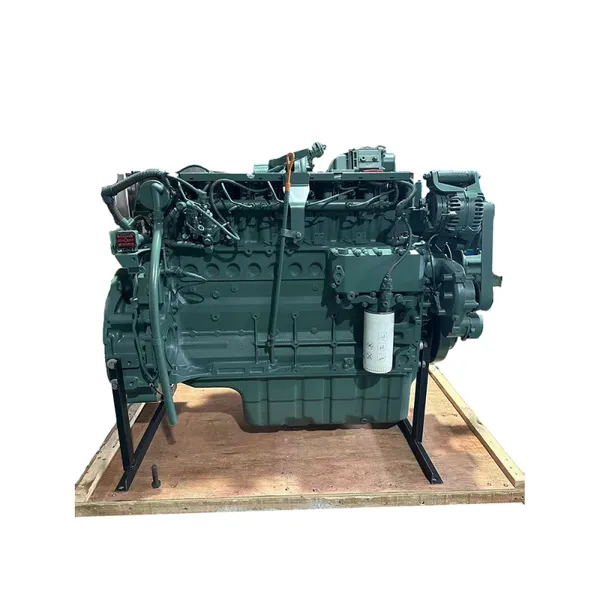
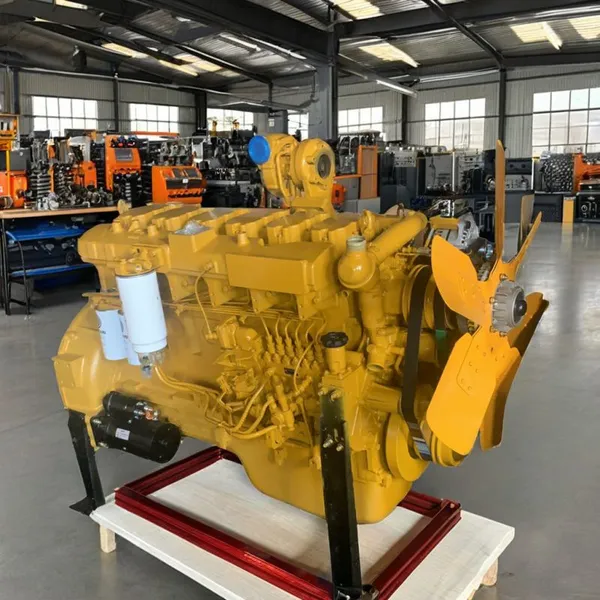
WEICHAI 178kw 4 Stroke WD10G240E203 Diesel Engine for SEM660D SEM660B Wheel LoaderUS$ 3920.00 - 4127.00MOQ: 1 Unit
-
Dongfeng Shanghai SC11CB220G2B1 6-Cylinder Diesel Engine 162kw (220hp) SDEC 3306 New Condition Core Included Farm MachineryUS$ 6500.00MOQ: 1 Unit
-
ISUZU 4 Cylinder Diesel Engine 4BG1 Machinery Engines for Kobelco SK135 ExcavatorUS$ 6800.00MOQ: 1 Unit
-
130Hp Diesel Engine YC4D130 Yuchai Diesel Motor Price for TruckUS$ 3400.00 - 3600.00MOQ: 1 Unit
-
Shanghai SDEC SC9D220G2 162KW Diesel Engine for SEM922 SEM921 GraderUS$ 5320.00 - 5600.00MOQ: 1 Unit
-
Factory Outlet Sinotruk D1242 Engine Assembly for Construction IndustryUS$ 4615.00 - 4858.00MOQ: 1 Unit