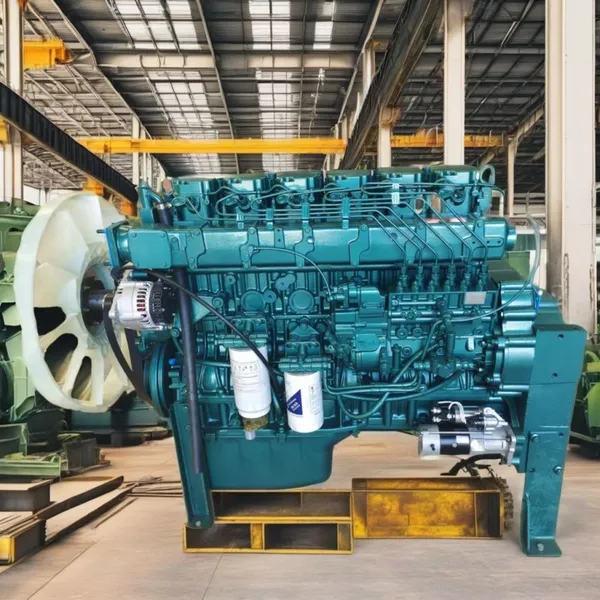

 Business License

Handling and Crate Standards for KTA38-M2 Marine Engines
A marine engine arrived at a shipyard with a bent exhaust connection and a cracked corner on its crate, and the damage had happened somewhere between the load port and the yard. Nothing in the paperwork recorded a problem, which is the difficulty with a heavy unit that has been handled by several parties.
A KTA38-M2 weighs several tonnes, stands taller than a person and is unevenly weighted, with most of its mass in the block and the crankcase. Moving it without damage is a matter of preparation rather than strength.
These notes cover the KTA38-M2 engine crate standard, the handling routine around the lift points, the protection a marine engine needs in transit, and the failures that recur when one of those is left to chance.
1. KTA38-M2 Engine Crate Standard: Why the Container Decides the Shipment
The KTA38-M2 engine crate standard matters more than it looks, because the crate is what carries the engine's mass through every lift and every road or sea movement on the way.
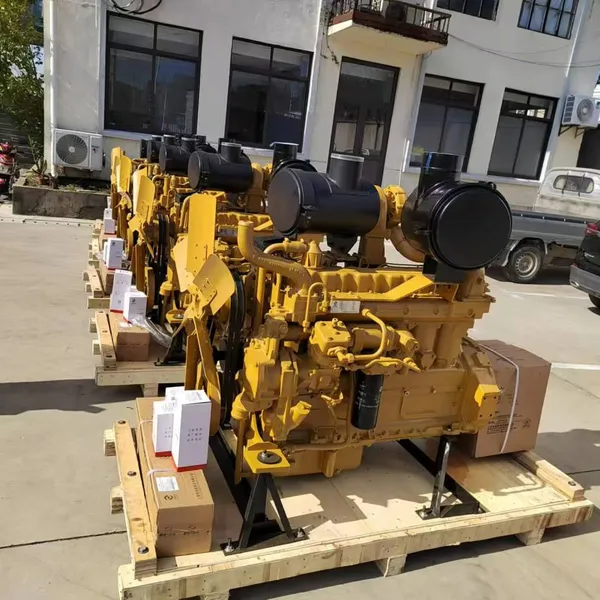
A crate for an engine of this size is a structure, not a box. Its base has to spread the mass across the container floor, its frame has to resist racking when the container is lifted with the unit inside, and its blocking has to hold the engine to the base rather than let it shift within the frame.
Timber is the usual material, chosen for availability and for the ability to work it on site. The specification that counts is the base design: timber size, spacing and the way the engine mounts are bolted or blocked to it.
Crates are also markable, and the markings are part of the standard. The mass, the lifting points, the centre of gravity and any warning about keeping the unit upright all belong on the outside, where a stevedore can read them without opening the frame.
2. Marine Engine Handling: Lifting Points and the Centre of Gravity
Marine engine handling starts with the lift, and the lift starts with the points the manufacturer provided and the position of the mass.
A large engine has lifting eyes on the block for a reason, and they are placed so that a four leg sling leaves the unit level. Using them keeps the load in the structure that was designed to take it.
Lifting from the crate, or through a sling wrapped around the unit, does something different. It puts the load into the manifolds, the pipework or the sheet metal, and those parts are not built to carry tonnes. A bent connection or a cracked cover is the usual result.
The centre of gravity of a marine engine sits low and toward the heavy end of the block. A sling arranged without regard to it produces a unit that hangs out of level, which makes the landing on a bed or a frame difficult and puts strain on whichever leg takes the greater share.
3. KTA38-M2 Engine Transport: Securing Against Movement
KTA38-M2 engine transport exposes the unit to forces that a static engine never meets, and the securing arrangement is what absorbs them.
A container ship rolls and a road trailer brakes and turns. In both cases the engine's mass produces forces against its restraints, and the restraints have to be designed for a multiple of the static weight rather than for the static weight itself.
Blocking against the base is the usual method, with timber cut to the engine's mounting feet and fixed to the crate floor so the unit cannot slide. Straps over the top add restraint where the crate is designed to take them, and they are tensioned against the frame rather than over a component.
| Force in transit | What it acts on | Restraint response |
|---|---|---|
| Lateral roll | The base mountings and the crate sides | Blocking cut to the mounting feet |
| Longitudinal braking | The base and the crate end frames | End blocking plus straps to the frame |
| Vertical shock on landing | The crate floor and the packing beneath the sump | Floor rated for the mass, shock absorbent layer |
| Vibration over distance | Bolted connections and pipework | Transport brackets and protective blanks in place |
The transport brackets and protective covers belong in this step rather than in packing. A bracket fitted for the journey holds a component that would otherwise be carried by a flexible connection, and a blank over an opening keeps the interior sealed.
4. KTA38-M2 Engine Crate Standard: Corrosion Protection at Sea
A KTA38-M2 engine crate standard for sea freight has to plan for moisture, because a container crossing a warm and cold route condenses water inside itself.
The cycle is familiar. Warm humid air is carried in when the container is packed in a warm port, and as the ship moves into cooler weather that moisture condenses on the cold steel of the engine. Untreated, the result is surface rust on machined faces and on the inside of the pipework.
Protection is applied to the engine before the crate is closed. Machined surfaces and unpainted steel receive a corrosion inhibiting coating, and the crate carries a desiccant charge sized for the volume and the voyage. The interior is then lined so that condensation forms on the lining rather than on the engine.
Fixing the engine to the base also seals the openings. Blanking plates over the intake and the exhaust keep the atmosphere out, and plugs over the connection ports do the same for the fuel and cooling systems.
5. Marine Engine Handling: What Goes Wrong and Why
Marine engine handling failures repeat in a small number of ways, and each has a cause that could have been checked.
The commonest is a crate that is too light for the mass. The base flexes under the engine, the blocking loosens and the unit shifts within the frame, and the damage is found on arrival rather than on loading.
The second is a lift from the wrong point. A sling taken around the engine rather than through the lifting eyes transfers the load into components that were never designed for it, and the failure shows up as a bent or cracked part.
The third is moisture. A unit packed without corrosion protection and desiccant arrives with rust on the faces that matter, and the cost is a rework rather than a replacement.
Each of these is prevented by a step that takes minutes at the loading end and cannot be recovered at the receiving end. That asymmetry is the argument for treating handling as part of the specification rather than as a detail of the despatch.
6. KTA38-M2 Engine Transport: Accessories, Loose Items and the Manifest
KTA38-M2 engine transport involves more than the engine, and the accompanying items are a frequent source of dispute.
A marine engine travels with a set of accessories that may include the control panel, the heat exchanger, the expansion tank and a box of loose parts. Each of these has to be packed, fixed and recorded, and the record has to name what is in the crate rather than what was ordered.
Packing the loose items into the same crate as the engine is convenient and risky, since they can move during the voyage. Where they travel separately, the marking and the manifest have to link the two so that nothing is left behind at a port.
Photographs taken when the crate is closed are the simplest safeguard. They show what went in, how it was secured and what the crate looked like before it began to move, and they settle most questions about damage and shortage.
7. KTA38-M2 Engine Crate Standard: Inspection Before It Leaves
A final inspection is what turns the KTA38-M2 engine crate standard from a document into a delivery, and it is short if the earlier steps were done.
The inspection checks the base and the blocking against the mass, the lift points and their markings, the corrosion protection and the desiccant, and the blanks and plugs over every opening.
It then checks the crate as a whole. The frame should be sound, the markings legible and the photographs taken. Anything that fails inspection at this point is corrected in a workshop rather than discovered by a buyer.
Pinbo Power holds that record against the order, so a question about how a unit was packed or what travelled with it is answered from the file rather than from recollection. Jining Pinbo Import and Export treats the packing record as part of the delivery documents rather than as an internal note.
8. Marine Engine Handling: Unpacking at the Yard
Marine engine handling ends at the yard, where the same care runs in reverse and the record closes.
The crate is inspected before it is opened, so that any damage to the frame is noted while it is still visible. The desiccant and the moisture indicators are read, since they show whether the protection held through the voyage.
The unit is then lifted from its own points rather than from the crate, and the accessories are checked against the manifest while the crate is still available for comparison.
Any shortage or damage is reported against the photographs and the manifest while the crate is intact. Jining Pinbo Import and Export Co Ltd reads that arriving record together with its own despatch record, which is what allows a question to be resolved from evidence rather than from recollection. Pinbo Import and Export asks buyers to keep the crate and the packing until the check is complete for that reason.
9. Frequently Asked Questions
9.1 What does a KTA38-M2 engine crate standard cover?
A KTA38-M2 engine crate standard covers the structure that carries the engine rather than the packing around it. The base has to spread the mass across the container floor, the frame has to resist racking when the container is lifted, and the blocking has to hold the engine to the base so it cannot shift. The markings are part of the same standard, with mass, lift points, centre of gravity and any upright warning placed where they can be read without opening the crate. A crate that is too light for the mass is the commonest failure.
9.2 What are the main points in marine engine handling?
The main points in marine engine handling are the lift points and the centre of gravity. A large engine has lifting eyes on the block placed so that a four leg sling leaves the unit level, and using them keeps the load in the structure designed to take it. Lifting from the crate or through a sling wrapped around the unit puts tonnes into manifolds, pipework and sheet metal that were not built for it. The centre of gravity sits low and toward the heavy end of the block, so a sling arranged without regard to it leaves the unit hanging out of level.
9.3 How is a KTA38-M2 engine protected during transport?
Protection during KTA38-M2 engine transport is aimed at moisture, because a container crossing a warm and cold route condenses water on cold steel. Machined surfaces and unpainted steel receive a corrosion inhibiting coating before the crate is closed, and the crate carries a desiccant charge sized for the volume and the voyage. The interior is lined so condensation forms on the lining rather than on the engine. Blanking plates over the intake and exhaust and plugs over the connection ports keep the atmosphere out of the interior.
9.4 What should be checked when the crate is opened?
The crate should be inspected before it is opened, so any damage to the frame is noted while it is still visible. The desiccant and moisture indicators are then read, since they show whether the protection held. The unit is lifted from its own points rather than from the crate, and the accessories are checked against the manifest while the crate is still available for comparison. Any shortage or damage is reported against the despatch photographs and the manifest while the crate is intact.
Recently Posted
-
Inspection and Test Records for KTTA19-C700 Engines
November 18, 2026A buyer received a nineteen litre engine with nothing in the crate beyond a packing list and asked for the run note taken before d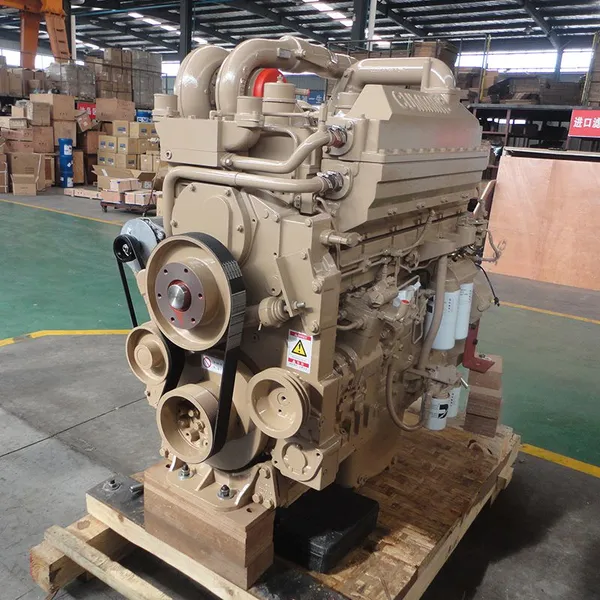 Read More
-
Warranty Terms and Service Support for KTA38-M2 Marine Engines
November 18, 2026A vessel suffered a bearing failure within the first months of service and the claim that followed took far longer to settle than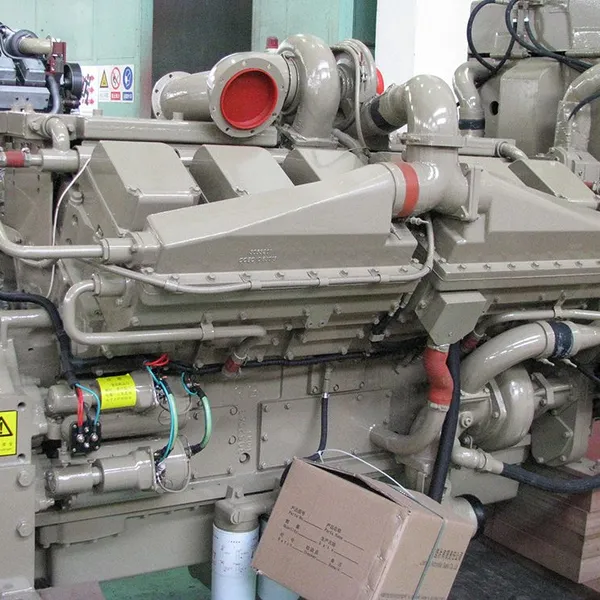 Read More
-
Ocean Freight and Documentation for Doosan DL08 Engine Orders
November 17, 2026An engine that had cleared export without difficulty sat at the destination port for eleven days while two documents were correcte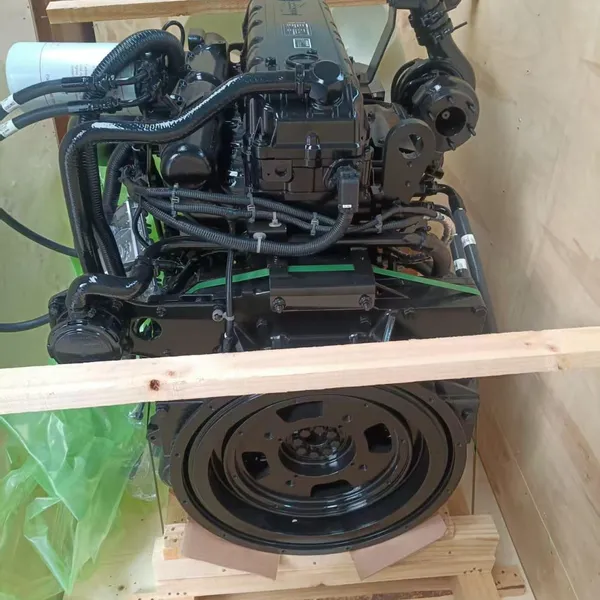 Read More
-
Warranty and After-Sales Support for Doosan DL06 Engines
November 17, 2026A fleet submitted a claim on an engine that had failed inside the stated period and had the claim refused, not because the failure Read More

Contact Us
Recommended Products
-
 New 129 kW QSB6.7 Diesel Engine Excavator Construction Machinery Electric Start Water-Cooled Core Including Motor PumpUS$ 1888.00 - 3888.00MOQ: 1 Unit
-
Wholesale Diesel Engine Genuine 4 Stroke Direct Injection Doosan DL08 Engine for SaleUS$ 4558.00 - 4800.00MOQ: 1 Unit
-
Factory Price DOOSAN DL06 Construction Machinery Motor 6 Cylinder 115kw Water-Cooled With Core Components Engine and PumpUS$ 4752.00 - 5000.00MOQ: 1 Unit
-
Factory Price 4 Stroke 115kw Doosan DB58 Complete Engine Assy for Dx220 ExcavatorUS$ 3450.00 - 3650.00MOQ: 1 Unit
-
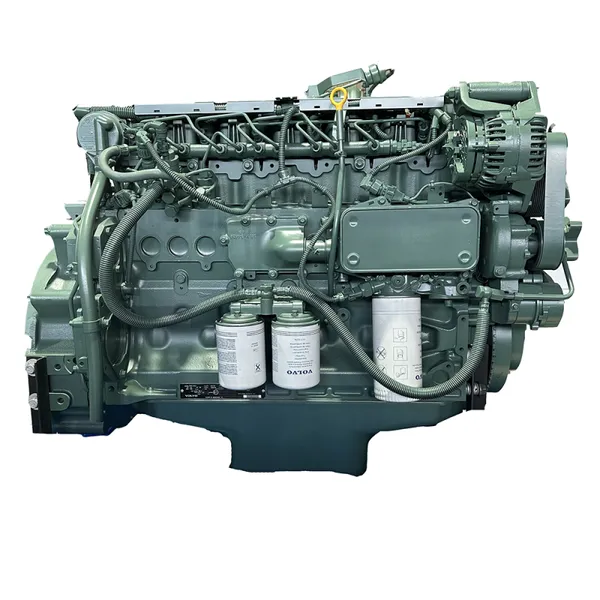
Factory Manufacture 123kw 4 Stroke Volvo D6e Machinery Engine for Construction MachineryUS$ 7500.00MOQ: 1 Unit
-
New BF6M2012C 4-stroke Original Water-cooled Diesel EngineUS$ 4500.00 - 5400.00MOQ: 1 Unit
-
Original Water Cooled 4 Stroke 6 Cylinder DEUTZ TCD2012062V Machinery EnginesUS$ 4888.00 - 5081.00MOQ: 1 Unit
-
Factory Outlet 6 Cylinder 250HP 2200rpm 6C8.3-C250 Construction Machinery Engines for CuminsUS$ 34627.00 - 36450.00MOQ: 1 Unit
-
1104D-44TA Diesel Engine 83kw New Water-Cooled Machine With Electric Start and Pump Good Price Per UnitUS$ 3700.00 - 4200.00MOQ: 1 Unit
-
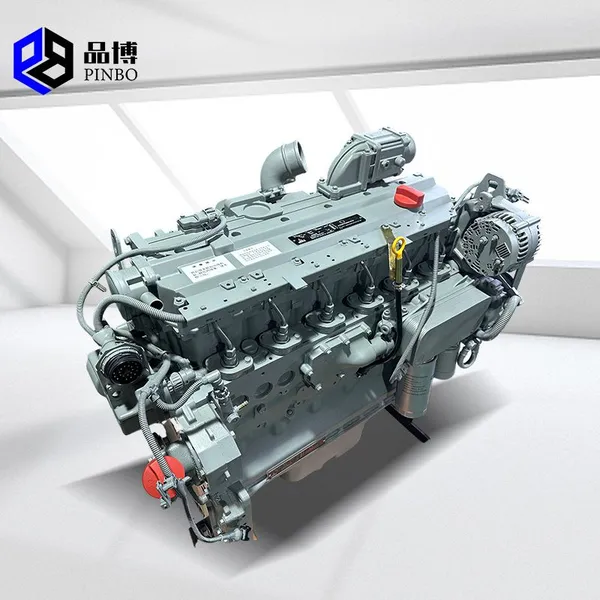
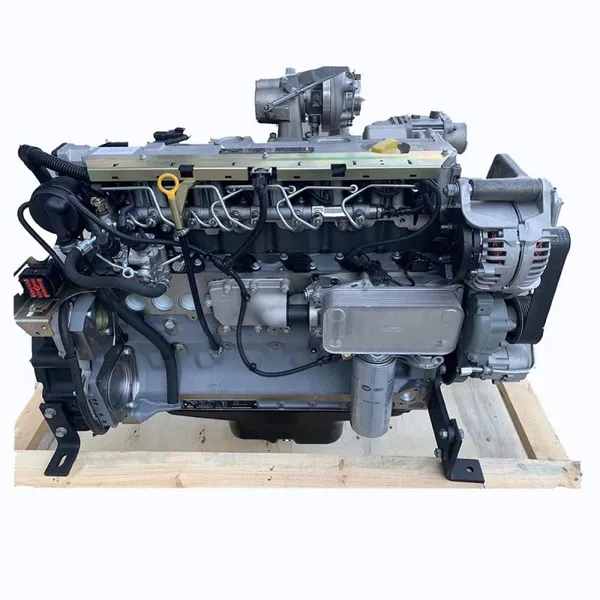
Original Water Cooled 4 Stroke DEUTZ TCD 2013 L06 2V Machinery Engines for SaleUS$ 7070.00 - 7443.00MOQ: 1 Unit
-
Excavator Engine Assy QSL8.9 Complete Engine Assembly CUMMINS Qsl 9 Diesel EngineUS$ 4300.00 - 4600.00MOQ: 1 Unit
-
Genuine Vovo D4d EAE2 Diesel Engine for VOLVO EC140 ExcavatorNegotiableMOQ: 1 Unit
-
Factory Outlet 6 Cylinder 250HP 2200rpm 6C8.3-C250 Construction Machinery Engines for CuminsUS$ 4700.00 - 5100.00MOQ: 1 Unit
-
Good Price 153kw 4 Stroke Electric Start D7E Diesel Engine for Construction MachineryUS$ 8350.00MOQ: 1 Unit
-
WEICHAI 178kw 4 Stroke WD10G240E203 Diesel Engine for SEM660D SEM660B Wheel LoaderUS$ 3920.00 - 4127.00MOQ: 1 Unit
-
Dongfeng Shanghai SC11CB220G2B1 6-Cylinder Diesel Engine 162kw (220hp) SDEC 3306 New Condition Core Included Farm MachineryUS$ 6500.00MOQ: 1 Unit
-
ISUZU 4 Cylinder Diesel Engine 4BG1 Machinery Engines for Kobelco SK135 ExcavatorUS$ 6800.00MOQ: 1 Unit
-
130Hp Diesel Engine YC4D130 Yuchai Diesel Motor Price for TruckUS$ 3400.00 - 3600.00MOQ: 1 Unit
-
Shanghai SDEC SC9D220G2 162KW Diesel Engine for SEM922 SEM921 GraderUS$ 5320.00 - 5600.00MOQ: 1 Unit
-
Factory Outlet Sinotruk D1242 Engine Assembly for Construction IndustryUS$ 4615.00 - 4858.00MOQ: 1 Unit