
 Business License

Doosan DL08 vs DL06: Displacement and Duty Compared
The Doosan DL08 vs DL06 question rarely arrives on its own. It usually follows a machine that has come up short, or a repower in which the engine bay will take either unit and the buyer wants to know which one belongs there.
Both engines are six cylinder inline diesels from the same family, and both are sold into construction and industrial work. The difference between them is not a difference of design language. It is a step in size, and the size sets the class of duty each engine is prepared to hold.
This DL08 engine displacement comparison looks at that step in plain terms: what separates the two blocks, what a Doosan engine duty comparison says about where each belongs, and what changes around the engine when a machine moves from the smaller unit to the larger one.
1. Why the Doosan DL08 vs DL06 Question Comes Up
The Doosan DL08 vs DL06 question comes up at three moments, and each of them has a different answer.
The first is a machine that is working hard and wearing quickly, where the operator believes the engine is too small for the job. The second is a repower, where a machine originally built around one unit is being fitted with another and the bay has room for either. The third is a fleet standardisation, where an owner running both sizes wants to know whether one of them can cover the whole range.
Just one of those three is settled by the displacement figure. The other two turn on duty and on what fits around the block, which is why the comparison has to run past the number in the designation.
Reading the two engines as one small and one large misses the useful part. The step between them is roughly a litre and three quarters of swept volume, and what that step buys depends entirely on the work the machine does.
2. Doosan DL08 vs DL06: One Family, Two Sizes
The Doosan DL08 vs DL06 comparison begins with what the two engines share, because the family relationship is what makes the choice a genuine either-or rather than a change of supplier.
Both are inline six cylinder units with a common design language: a similar block and head arrangement, a comparable service layout and the same approach to mounting and accessories. A technician who knows one will recognise the other immediately.
The step is in the bore and the stroke. The smaller unit uses a narrower bore and a shorter stroke, and the larger one opens both. That is how a family grows without adding cylinders, and it is why the two engines look alike from a distance while differing in the parts that matter for load.
Keeping the cylinder count the same is deliberate. It keeps the balance and the mounting pattern familiar across the range, so a machine builder can move up or down a size without redesigning the installation from the ground up.
3. A DL08 Engine Displacement Comparison in Plain Terms
A DL08 engine displacement comparison is easier to read when it is set out as a step rather than as two separate specifications.
The smaller unit displaces in the region of five and nine tenths of a litre, and the larger one in the region of seven and a half. Both figures are approximate, because the exact swept volume depends on the build, but the gap between them is consistent and close to a litre and three quarters.
| Entry | Smaller unit (DL06 class) | Larger unit (DL08 class) |
|---|---|---|
| Cylinders | Six, inline | Six, inline |
| Swept volume | Roughly five and nine tenths of a litre | Roughly seven and a half litres |
| Bore and stroke | Narrower bore, shorter stroke | Wider bore, longer stroke |
| Duty class | Mid-size machines and drives | Heavier machines and drives |
| Typical use | General construction, mid-weight handling | Heavy earthmoving, sustained industrial load |
The table is a tendency rather than a specification for any one build, and the ratings attached to each engine vary with the market and the application.
What the table does show is that the two engines sit in different duty classes. That distinction is more useful to a buyer than either displacement figure on its own, because it predicts how the machine will behave under a sustained load.
4. Doosan Engine Duty Comparison: Where the Two Sit
A Doosan engine duty comparison turns on how hard the work is and how long it lasts, and the two engines are built for different answers to those questions.
The smaller unit suits machines that work at a moderate load with frequent changes of demand: general construction, mid-weight handling and duties in which the engine is not held at high output for long periods.
The larger unit suits work that keeps the engine loaded. Heavy earthmoving, continuous material handling and fixed drives that hold a near constant load all fall into the class the bigger engine was designed around.
The consequence is that fitting the smaller engine into heavy work does not simply reduce performance. It pushes the unit into a duty class above its design, which raises heat rejection, raises fuel use per unit of work and shortens the interval between overhauls.
Going the other way is less harmful and less efficient. A larger unit in light duty holds a comfortable margin, and it also carries more mass and returns lower fuel economy per hour than the smaller engine would in the same machine.
5. DL08 Engine Displacement Comparison: What the Extra Litres Buy
In a DL08 engine displacement comparison the extra litres are understood most clearly as margin, because margin is what a heavy duty class actually sells.
A larger swept volume holds a given torque curve at lower cylinder pressure and lower thermal stress. The engine turns more slowly for the same output, which reduces wear per hour and lengthens the interval between overhauls.
Margin also shows in the response to load. There is more reserve for a sudden demand, and the unit holds its governed speed more easily when a hydraulic system calls for pressure at the same time as the machine climbs a grade.
The cost of the margin is paid in mass and in fuel at light load. A bigger block is heavier, needs a larger cooling package and takes more room under the hood, and it burns more per hour when it is asked for little.
Fleets that run machines across a wide range of duties often accept the trade in one direction. Jining Pinbo Import and Export, which supplies both size classes, sees the same pattern in enquiries: buyers ask for the larger unit after a season of hard work on the smaller one, and rarely the other way around.
6. Doosan Engine Duty Comparison: What Changes Around the Engine
A Doosan engine duty comparison that stops at the block leaves out the parts a machine builder has to change, and those parts are what decide whether a repower is straightforward.
A larger unit needs a bigger radiator and a larger fan, since the heat it rejects at full load is higher. The air path through the machine has to be planned around the larger core, and the mounting arrangement has to carry the extra mass.
The flywheel housing, the sump and the manifolds follow the build rather than the family, so a machine built around one unit will need the matching parts for the other. The harness and the control arrangement belong in the same list.
Service access changes as well. A larger block fills the bay more completely, and the space around the filters and the dipstick may be tighter than it was, which is worth checking before the machine is committed to a repower.
7. A Doosan DL08 vs DL06 Comparison of Running Cost
A Doosan DL08 vs DL06 comparison of running cost is often used to settle the choice, and the answer depends on how the machine is loaded rather than on the engine alone.
At light load the smaller unit costs less to run per hour, because it carries less mass and moves less oil through a smaller combustion volume. On duty that keeps the engine loaded, the picture reverses: the smaller unit works above its comfortable class, and the fuel it burns per unit of work and the wear it accumulates per season both rise.
Service intervals belong in the same calculation. An engine run inside its design class reaches its overhaul interval on the hours in the book, while one run above its class tends to reach it earlier and to need more attention in between.
Parts availability and repairability are the entries buyers tend to add last, and they matter most in remote work. Both engines are established units with a wide service base, and the point for a fleet is not which one is easier to buy for but which one it can standardise on without spreading its own spares holdings too thin. Pinbo Power reads a fleet's own spares list as part of that answer, since a standardised engine range keeps a parts holding small.
8. When the Doosan Engine Duty Comparison Points to Each
The Doosan engine duty comparison points to the smaller unit where the machine works at moderate load, changes demand often and rarely holds a heavy output for long.
It points to the larger unit where the machine is loaded for much of a shift, where grades or heavy attachments keep the demand up, or where the drive holds a near constant load. It also points there where a fleet wants one engine to cover the heavier end of a mixed range without operating at the edge of its class.
The decision is usually settled by the worst shift rather than the average one. A machine that meets heavy work a few times a season is being asked to do it every time that work arrives, and the engine has to be built for those days rather than for the quiet ones.
Pinbo Import and Export asks for the worst shift as part of every duty description, because that single answer separates the two engines faster than any table. Jining Pinbo Import and Export Co Ltd keeps that description against the order, so a fleet replacing an engine years later is matched to the duty it actually meets.
9. Frequently Asked Questions
9.1 What is the main difference in the Doosan DL08 vs DL06 comparison?
The main difference in the Doosan DL08 vs DL06 comparison is size class, which then sets the duty each engine is built for. Both are inline six cylinder units from one family with a similar layout. The larger unit sweeps roughly seven and a half litres and the smaller one roughly five and nine tenths, a gap near a litre and three quarters. That extra volume puts the larger engine in a heavier duty class, suited to machines loaded for much of a shift, while the smaller unit serves moderate work with frequent changes of demand.
9.2 How does displacement change the duty class of an engine?
A larger swept volume holds a given output at lower cylinder pressure and lower thermal stress, so the engine carries heavy work with more margin than a smaller unit of the same family. The larger engine turns more slowly for the same output, which reduces wear per hour and lengthens the interval between overhauls. The trade runs the other way at light load, where the bigger block is heavier and burns more per hour. Displacement therefore sets how comfortably an engine holds a duty, rather than setting the duty on its own.
9.3 What has to change around a machine when moving to the larger engine?
Moving to the larger engine changes the parts that follow the build rather than the family. A bigger radiator and fan are needed, since more heat is rejected at full load, and the air path and mounting have to be planned around the larger mass. The flywheel housing, sump and manifolds have to match the new unit, and the harness and control arrangement belong in the same list. Service access also becomes tighter, so the space around filters and the dipstick is worth checking before the repower is committed.
9.4 Which engine gives the lower running cost?
Running cost follows the load rather than the engine. At light load the smaller unit costs less per hour, because it carries less mass and works inside its design class. On duty that keeps the engine loaded, the picture reverses, since the smaller unit then works above its comfortable class and burns more fuel per unit of work. Service intervals behave the same way, with an engine run inside its class reaching its overhaul on the hours in the book, and the worst shift of the season rather than the average one usually settles the choice.
Recently Posted
-
Doosan DL06 vs DEUTZ BF6M1015: Comparing Six-Cylinder Industrial Engines
October 23, 2026A buyer with two engine plates in front of him counted the holes in each head and concluded the units were rivals. Both had six. T Read More
-
DEUTZ F3L912 vs Kubota V3300: Air-Cooled Against Liquid-Cooled
October 23, 2026A contractor running a small fleet asked whether a three cylinder air cooled engine could replace a four cylinder liquid cooled on Read More
-
DEUTZ F3L912 vs F4L912: Cylinder Count and Power Trade-Offs
October 22, 2026A workshop in an export market replaced a three cylinder air cooled engine with a four cylinder unit of the same family and found Read More
-
DEUTZ BF6M1015 vs VOLVO D7E: Comparing Industrial Engine Platforms
October 22, 2026A fleet operator with a mixed workshop put a DEUTZ BF6M1015 beside a VOLVO D7E on paper and asked which platform to standardise on Read More

Contact Us
Recommended Products
-
 New 129 kW QSB6.7 Diesel Engine Excavator Construction Machinery Electric Start Water-Cooled Core Including Motor PumpUS$ 1888.00 - 3888.00MOQ: 1 Unit
-
Wholesale Diesel Engine Genuine 4 Stroke Direct Injection Doosan DL08 Engine for SaleUS$ 4558.00 - 4800.00MOQ: 1 Unit
-
Factory Price DOOSAN DL06 Construction Machinery Motor 6 Cylinder 115kw Water-Cooled With Core Components Engine and PumpUS$ 4752.00 - 5000.00MOQ: 1 Unit
-
Factory Price 4 Stroke 115kw Doosan DB58 Complete Engine Assy for Dx220 ExcavatorUS$ 3450.00 - 3650.00MOQ: 1 Unit
-
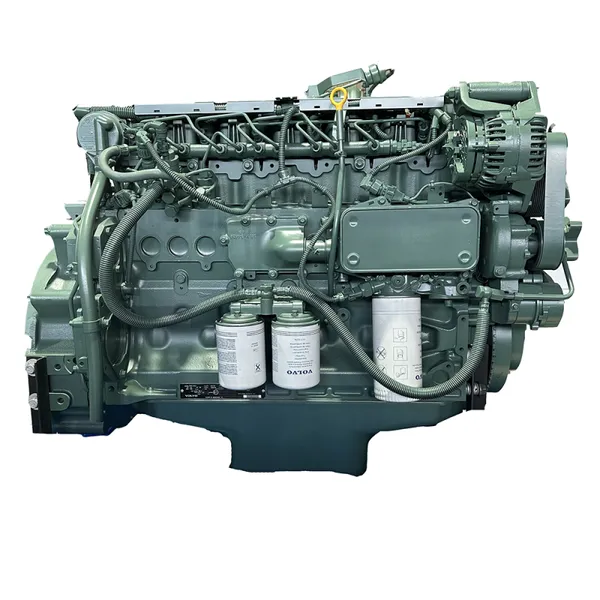
Factory Manufacture 123kw 4 Stroke Volvo D6e Machinery Engine for Construction MachineryUS$ 7500.00MOQ: 1 Unit
-
New BF6M2012C Cylinder 4-stroke Original Water-cooled Generator With Live Start FunctionUS$ 4500.00 - 5400.00MOQ: 1 Unit
-
Original Water Cooled 4 Stroke 6 Cylinder DEUTZ TCD2012062V Machinery EnginesUS$ 4888.00 - 5081.00MOQ: 1 Unit
-
Factory Outlet 6 Cylinder 250HP 2200rpm 6C8.3-C250 Construction Machinery Engines for CuminsUS$ 34627.00 - 36450.00MOQ: 1 Unit
-
1104D-44TA Diesel Engine 83kw New Water-Cooled Machine With Electric Start and Pump Good Price Per UnitUS$ 3700.00 - 4200.00MOQ: 1 Unit
-
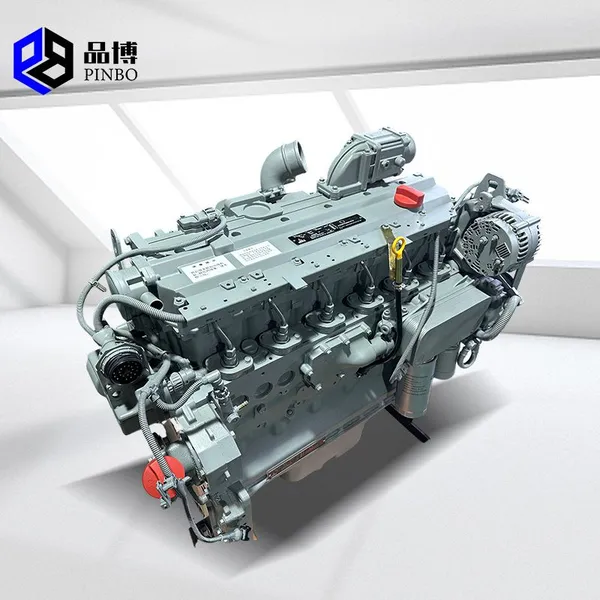
Original Water Cooled 4 Stroke DEUTZ TCD 2013 L06 2V Machinery Engines for SaleUS$ 7070.00 - 7443.00MOQ: 1 Unit
-
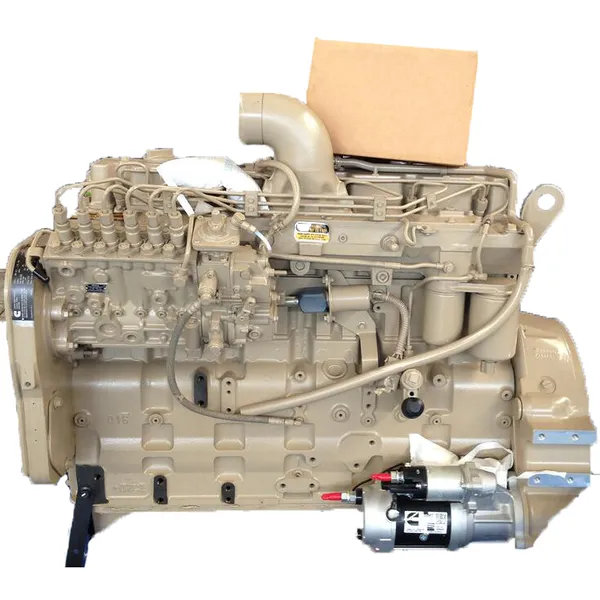
Excavator Engine Assy QSL8.9 Complete Engine Assembly CUMMINS Qsl 9 Diesel EngineUS$ 4300.00 - 4600.00MOQ: 1 Unit
-
Genuine Vovo D4d EAE2 Diesel Engine for VOLVO EC140 ExcavatorNegotiableMOQ: 1 Unit
-
Factory Outlet 6 Cylinder 250HP 2200rpm 6C8.3-C250 Construction Machinery Engines for CuminsUS$ 4700.00 - 5100.00MOQ: 1 Unit
-
Good Price 153kw 4 Stroke Electric Start D7E Diesel Engine for Construction MachineryUS$ 8350.00MOQ: 1 Unit
-
WEICHAI 178kw 4 Stroke WD10G240E203 Diesel Engine for SEM660D SEM660B Wheel LoaderUS$ 3920.00 - 4127.00MOQ: 1 Unit
-
Dongfeng Shanghai SC11CB220G2B1 6-Cylinder Diesel Engine 162kw (220hp) SDEC 3306 New Condition Core Included Farm MachineryUS$ 6500.00MOQ: 1 Unit
-
ISUZU 4 Cylinder Diesel Engine 4BG1 Machinery Engines for Kobelco SK135 ExcavatorUS$ 6800.00MOQ: 1 Unit
-
130Hp Diesel Engine YC4D130 Yuchai Diesel Motor Price for TruckUS$ 3400.00 - 3600.00MOQ: 1 Unit
-
Shanghai SDEC SC9D220G2 162KW Diesel Engine for SEM922 SEM921 GraderUS$ 5320.00 - 5600.00MOQ: 1 Unit
-
Factory Outlet Sinotruk D1242 Engine Assembly for Construction IndustryUS$ 4615.00 - 4858.00MOQ: 1 Unit