
 Business License

Doosan DL08 Engine Architecture and Common Configurations
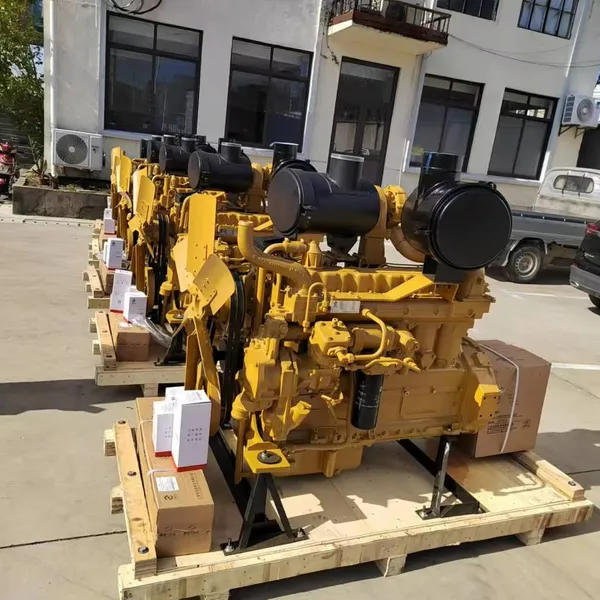
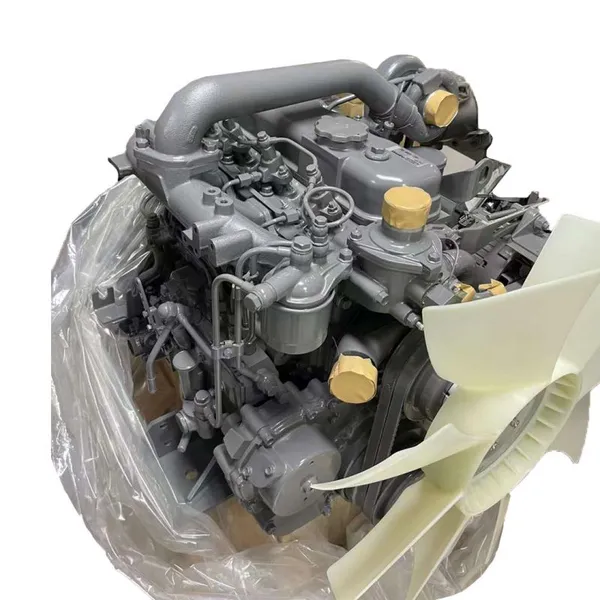
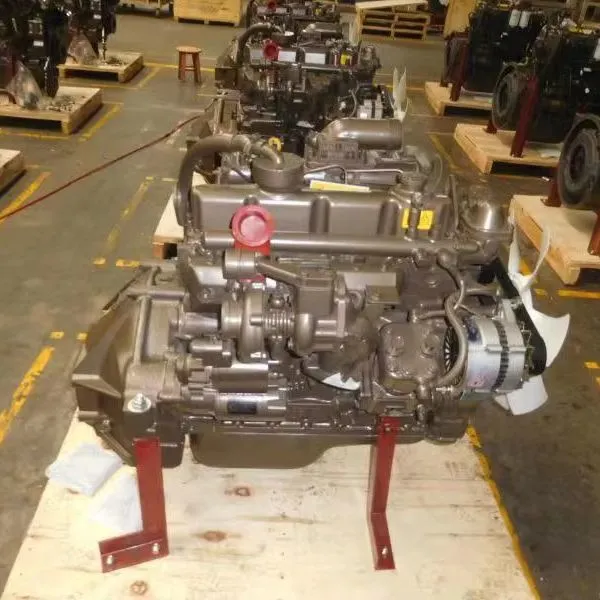
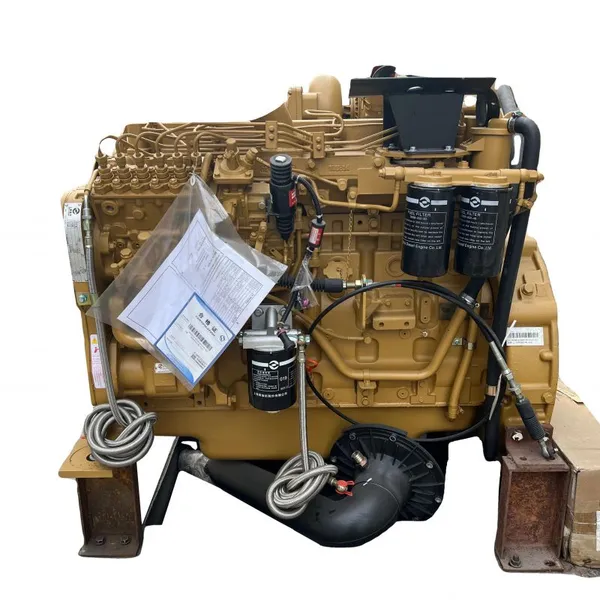
A workshop had two DL08 engines standing side by side and found that the oil filter head sat in a different place on each, with the dipstick and the fuel filter following it. Neither unit had been altered after it left the line. One had been built to sit in a wheel loader and the other to drive a generator, and the two applications leave different sides of the engine open for service.
Doosan DL08 engine architecture is one structure assembled in a small number of ways. The block, the head and the crank train repeat across the family, while the manifolds, the drive end and the accessories are arranged to suit the machine the unit will sit in.
This page works through the unit from the inside out. It covers the Doosan DL08 cylinder layout and the parts of the crank train, the accessory drive at the front of the engine, and the DL08 engine configurations a buyer is likely to meet when two units carry the same designation and still look different.
1. Doosan DL08 Engine Architecture: The Cylinder Layout It Begins With
Doosan DL08 engine architecture starts from a straight six arrangement, and that single choice settles most of what follows.
Six cylinders are set in one line above a common crankshaft, closed by one head casting and one camshaft housing. The firing events are spread evenly through two revolutions of the crank, so the torque arrives in a steady sequence rather than in the uneven beat of a shorter arrangement.
The layout also fixes the shape of the unit. A straight six is long and narrow, which suits a machine chassis built around a longitudinal engine bay and leaves the two flanks clear along most of their length.
The cylinder count does not change across the range. DL08 engine configurations vary what is attached to the structure, not how many bores the structure holds, and a buyer who learns to read the block will find the same outline under every build.
2. Doosan DL08 Cylinder Layout: Block, Head and the Crank Train
The Doosan DL08 cylinder layout is easiest to follow in the order the parts carry load, because that order explains where the wear surfaces sit.
The block is cast with ribs that stiffen the long span between the ends and quiet the vibration a straight six produces. Its main bearing bores carry the crankshaft, and liners sit in the bores to give the pistons a renewable surface to run against.
The head is a single casting spanning all six cylinders, holding the valve gear, the injector seats and the passages that carry air in and exhaust out. One casting keeps the valve train in line along the whole length, which matters on a unit expected to run for long intervals between services.
Two further details belong with the same picture. The Doosan DL08 cylinder layout also sets where the camshaft is driven from, since the gear train at one end of the block turns the camshaft, the oil pump and, on a mechanically governed build, the injection pump from the crankshaft.
3. DL08 Engine Configurations: The Three Build Families
DL08 engine configurations settle into three families, and the family is decided by what the engine has to drive rather than by the block under it.
A machine build varies its speed with the work. The engine answers the operator through a hydraulic pump or a travel drive, and the governor allows the shaft speed to move across a band as load rises and falls.
A generator build holds one speed regardless of load, so that the alternator it turns keeps a fixed output frequency. A marine build sits between the two in some respects and differs again in its cooling, since the heat leaves through a sea water circuit rather than a radiator.
| Family | How the speed behaves | What the accessory set carries |
|---|---|---|
| Machine drive | Varies with load across a wide band | Fan, radiator, drive pulleys, hydraulic take off |
| Generator drive | Held at one governed speed | Bed mounting, coupling, control panel, air cleaner |
| Marine | Governed with a propeller load | Heat exchanger, sea water pump, marine gearbox coupling |
All three share the block, the head and the crank train. What separates them is the governor setting, the cooling arrangement, the flywheel housing and the accessories bolted to the same casting.
4. Doosan DL08 Engine Architecture: The Front End and Accessory Drive
The Doosan DL08 engine architecture at the front end is what a repower checks first, because the radiator, the fan and the machine frame all sit ahead of it.
A pulley on the crankshaft nose carries the belt that turns the alternator, the water pump and the fan. Some builds run one belt, some run two, and the position of the tensioner changes with the accessory layout rather than with the engine size.
Where a machine needs to drive a hydraulic pump or a compressor, the take off may come from the gear train at the rear or from a shaft driven off the front. That choice changes the housing and the guarding around the drive, even though the block behind it is unchanged.
Jining Pinbo Import and Export records the front end arrangement with each order, which is what allows a replacement engine to drop into a bay that was laid out around the old unit. A fan of a different diameter will not sit behind an unchanged radiator.
5. DL08 Engine Configurations: Intake and Exhaust Sides
DL08 engine configurations also differ in which way the unit breathes, and that difference is plain when two of them stand side by side.
On some builds the intake and the exhaust leave on opposite flanks, which keeps the hot side away from the air filter and the fuel system. On others they sit closer together, which suits a machine whose frame blocks one side of the bay.
The small fittings follow the same logic. The dipstick, the fuel filter head, the oil filter and the filler cap are placed on the side the machine leaves open, so that a daily check does not need a panel taken off.
A buyer comparing two offers for one model will often find that these positions differ. That is a build difference rather than a fault, and it is worth naming in the enquiry rather than settling at the fitting stage.
6. Doosan DL08 Cylinder Layout: How Aspiration and Cooling Change the Build
The Doosan DL08 cylinder layout stays fixed while the path the air takes around it can change a good deal from one build to the next.
A turbocharged build takes the exhaust through a turbine that drives a compressor, raising the pressure of the air entering the cylinders. Where the charge is then cooled, a further section of pipework and a cooler are added between the compressor and the inlet.
Cooling follows the application as well. A machine build rejects heat through a radiator turned by the engine or by a separate drive, while a marine build passes it to sea water through a heat exchanger, and the two arrangements share no parts on the cooling side.
Whether the cooling package travels with the engine is a further question. Some orders arrive with the radiator or exchanger fitted, and others leave it to be sourced against the machine, which is a point worth settling in writing before the unit is packed.
7. DL08 Engine Configurations: What the Mounting Decides
DL08 engine configurations are decided at the mounting points as much as anywhere, because that is where the engine meets the machine.
The mounting feet are set to a bolt pattern, and the flywheel housing is sized to a standard flange so that it can meet a gearbox or a coupling. A machine that keeps its existing transmission needs a housing and a flywheel that match what is already there.
The electrical and control arrangement sits in the same group. A build may be set for twelve or twenty four volts, with the starter and the alternator on one side or the other, and the fuelling may be set by a mechanical pump or by an electronic unit that needs a harness and a control module.
These entries are read together because they travel together. A unit quoted with the correct rating and the wrong housing is a unit that has to be altered in the yard, and the alteration is decided at the mounting rather than at the block.
8. Doosan DL08 Engine Architecture: Reading a Unit by Its Layout
The Doosan DL08 engine architecture also tells a buyer what to photograph when a unit already in service has to be matched.
The identification plate is the first item, followed by both flanks of the engine, the front end with the belt runs and the rear with the flywheel housing. A photograph of the gear train cover and the filter positions adds the detail that a model name leaves out.
Reading a listing is the same work in a different order. The cylinder count and the general arrangement confirm the family, the manifold sides and the filter positions narrow the build, and the plate settles the rest.
Jining Pinbo Import and Export would rather see the unit in a photograph than read its name on a list. Pinbo Power writes the build and the parts that went with it into the order file, which is the difference between answering a question months later and guessing at it. Jining Pinbo Import and Export Co Ltd starts that file when the goods leave the warehouse.
9. Frequently Asked Questions
9.1 What does Doosan DL08 engine architecture include?
Doosan DL08 engine architecture covers the structure that is shared across the family and the parts arranged around it. The shared side is a straight six block with one head casting, a crankshaft in main bearing bores and liners set into the cylinder bores. The arranged side is the manifolds, the front end accessory drive, the flywheel housing and the cooling circuit, all of which follow the application. Two units carrying one designation can therefore differ in several places while the block under them stays the same.
9.2 What are the common DL08 engine configurations?
The common DL08 engine configurations fall into three families. A machine build varies its speed with the load and carries a fan, a radiator and a drive take off for a hydraulic pump. A generator build holds a single governed speed and mounts on a bed with a coupling and a control panel. A marine build is governed against a propeller load and cools through a heat exchanger rather than a radiator, while using the same block as the other two and differing in governor, housing and accessories.
9.3 How does the Doosan DL08 cylinder layout affect servicing?
The Doosan DL08 cylinder layout affects servicing because a straight six is long and narrow, which leaves both flanks clear along most of the engine. That is why the dipstick, the filter heads and the filler cap can be reached from one side on a machine that leaves that side open. The layout also sets where the camshaft and the injection pump are driven from, so the gear train at one end of the block is where a timing check begins.
9.4 Why can two DL08 engines of the same model look different?
Two DL08 engines of the same model can look different because the designation fixes the family and the size class while leaving the build to be chosen. The rating and its duty class, the aspiration and cooling arrangement, the flywheel housing, the sump and the accessory positions are all agreed against the application. A machine build and a generator build therefore place their filters and their manifolds differently. Photographs of both flanks and the identification plate are what allow a supplier to match a build rather than guess it.
Recently Posted
-
What Is the Doosan DL08 Diesel Engine?
October 16, 2026A wheel loader arrived at a workshop with an engine that looked much like the unit it was meant to replace, and the difference sho Read More
 -
Doosan DL06 Engine Family and Model Codes Explained
October 16, 2026A workshop sent a photograph of an engine plate that read DL06 and ordered a liner set from it. The set arrived correct to the fam Read More
 -
What Is the Doosan DL06 Diesel Engine?
October 15, 2026A workshop in an export market ordered service parts for a machine whose plate read DL06, working from the assumption that the num Read More
 -
What Is the DEUTZ F3L912 Air-Cooled Diesel Engine?
October 15, 2026A hire yard kept two small compressors through a winter shutdown. The liquid cooled unit came back to the workshop after the first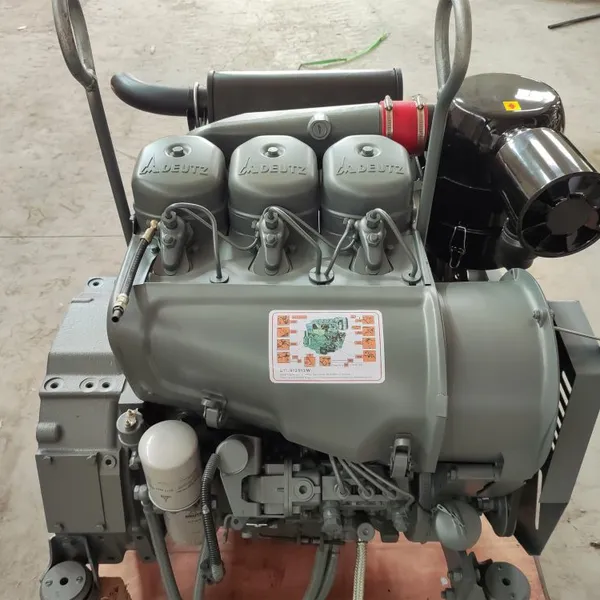 Read More

Contact Us
Recommended Products
-
 New 129 kW QSB6.7 Diesel Engine Excavator Construction Machinery Electric Start Water-Cooled Core Including Motor PumpUS$ 1888.00 - 3888.00MOQ: 1 Unit
 -
Wholesale Diesel Engine Genuine 4 Stroke Direct Injection Doosan DL08 Engine for SaleUS$ 4558.00 - 4800.00MOQ: 1 Unit
-
Factory Price DOOSAN DL06 Construction Machinery Motor 6 Cylinder 115kw Water-Cooled With Core Components Engine and PumpUS$ 4752.00 - 5000.00MOQ: 1 Unit
-
Factory Price 4 Stroke 115kw Doosan DB58 Complete Engine Assy for Dx220 ExcavatorUS$ 3450.00 - 3650.00MOQ: 1 Unit
-
Factory Manufacture 123kw 4 Stroke Volvo D6e Machinery Engine for Construction MachineryUS$ 7500.00MOQ: 1 Unit
-
New BF6M2012C Cylinder 4-stroke Original Water-cooled Generator With Live Start FunctionUS$ 4500.00 - 5400.00MOQ: 1 Unit
-
Original Water Cooled 4 Stroke 6 Cylinder DEUTZ TCD2012062V Machinery EnginesUS$ 4888.00 - 5081.00MOQ: 1 Unit
-
Factory Outlet 6 Cylinder 250HP 2200rpm 6C8.3-C250 Construction Machinery Engines for CuminsUS$ 34627.00 - 36450.00MOQ: 1 Unit
-
1104D-44TA Diesel Engine 83kw New Water-Cooled Machine With Electric Start and Pump Good Price Per UnitUS$ 3700.00 - 4200.00MOQ: 1 Unit
-
Original Water Cooled 4 Stroke DEUTZ TCD 2013 L06 2V Machinery Engines for SaleUS$ 7070.00 - 7443.00MOQ: 1 Unit
-
Excavator Engine Assy QSL8.9 Complete Engine Assembly CUMMINS Qsl 9 Diesel EngineUS$ 4300.00 - 4600.00MOQ: 1 Unit
-
Genuine Vovo D4d EAE2 Diesel Engine for VOLVO EC140 ExcavatorNegotiableMOQ: 1 Unit
-
Factory Outlet 6 Cylinder 250HP 2200rpm 6C8.3-C250 Construction Machinery Engines for CuminsUS$ 4700.00 - 5100.00MOQ: 1 Unit
-
Good Price 153kw 4 Stroke Electric Start D7E Diesel Engine for Construction MachineryUS$ 8350.00MOQ: 1 Unit
-
WEICHAI 178kw 4 Stroke WD10G240E203 Diesel Engine for SEM660D SEM660B Wheel LoaderUS$ 3920.00 - 4127.00MOQ: 1 Unit
-
Dongfeng Shanghai SC11CB220G2B1 6-Cylinder Diesel Engine 162kw (220hp) SDEC 3306 New Condition Core Included Farm MachineryUS$ 6500.00MOQ: 1 Unit
-
ISUZU 4 Cylinder Diesel Engine 4BG1 Machinery Engines for Kobelco SK135 ExcavatorUS$ 6800.00MOQ: 1 Unit
-
130Hp Diesel Engine YC4D130 Yuchai Diesel Motor Price for TruckUS$ 3400.00 - 3600.00MOQ: 1 Unit
-
Shanghai SDEC SC9D220G2 162KW Diesel Engine for SEM922 SEM921 GraderUS$ 5320.00 - 5600.00MOQ: 1 Unit
-
Factory Outlet Sinotruk D1242 Engine Assembly for Construction IndustryUS$ 4615.00 - 4858.00MOQ: 1 Unit