
 Business License

What Is the Doosan DL06 Diesel Engine?
A workshop in an export market ordered service parts for a machine whose plate read DL06, working from the assumption that the number described a small engine. The parts arrived, and two of them did not fit, because the plate referred to a six cylinder unit of roughly six litres rather than to the lighter engine the workshop had in mind.
A model string carries less information than a specification, and the distance between the two is what this article is about. The DL06 sits behind a large number of excavators, wheel loaders and material handling machines, and knowing what the name covers makes an order easier to place.
This article answers what the Doosan DL06 diesel engine is, gives a DL06 engine design overview of the block, the head and the systems arranged around them, and closes with the Doosan DL06 engine basics worth holding before a first service.
1. What Is the Doosan DL06 Diesel Engine?
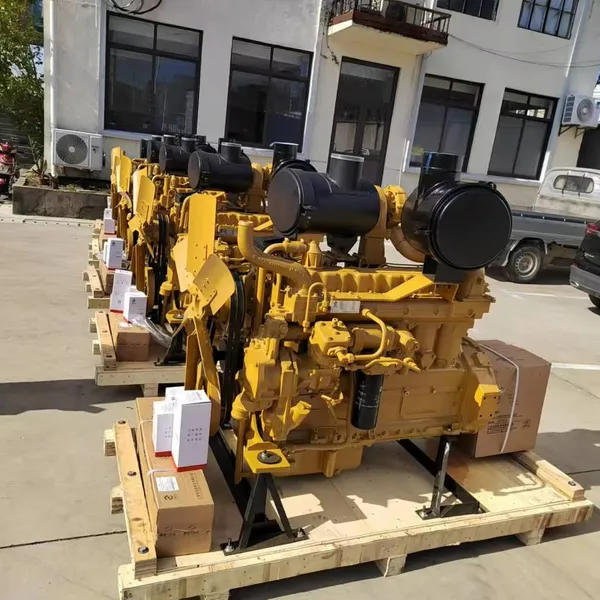
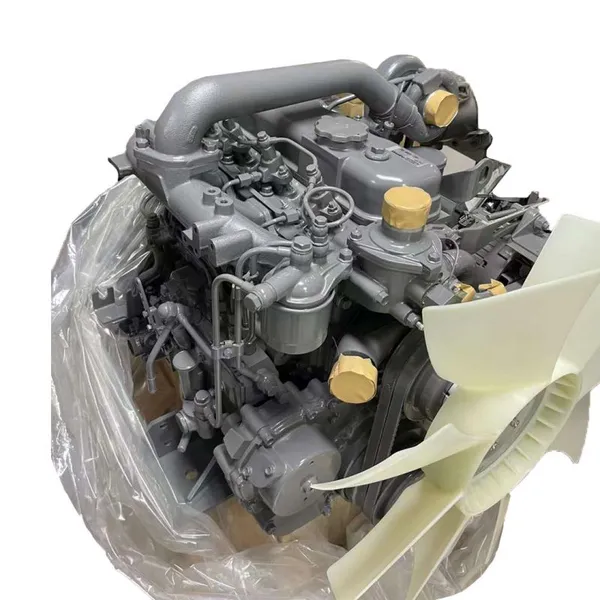
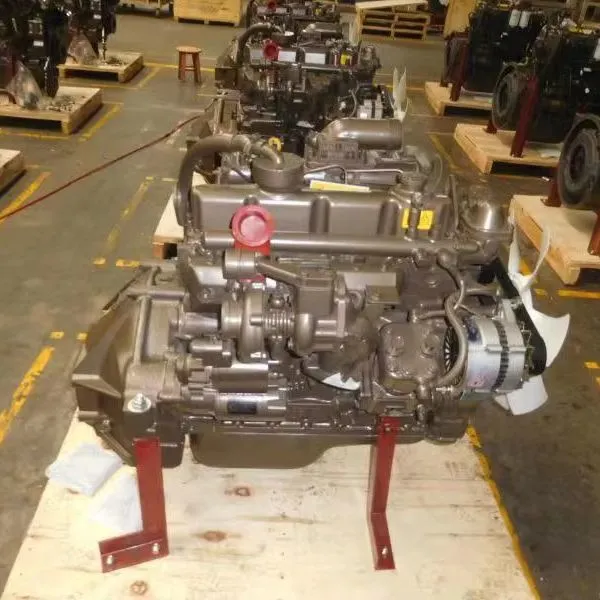
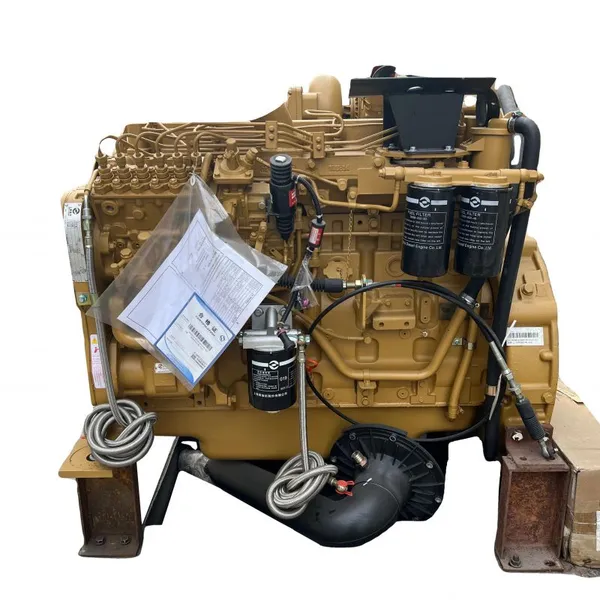
The Doosan DL06 diesel engine is a straight six, liquid cooled industrial diesel of roughly six litres displacement, built for construction machinery and comparable duty.
That description places it in the middle of the industrial range. It is larger than the four cylinder units found in compact equipment and lighter than the seven litre class above it, and the position explains most of where the engine appears.
The family logic matters as much as the size. The DL series runs across several displacements on a shared design language, so a workshop that knows one member of the family recognises the layout of the others.
Pinbo Power handles enquiries for this series regularly, and the first question worth settling is the one the workshop above skipped: which displacement, and therefore which block, does the plate refer to.
2. Doosan DL06 Engine Basics: Cylinder Count, Bore and Stroke
Doosan DL06 engine basics begin with the geometry, because bore, stroke and cylinder count decide what the unit can do before any rating is applied.
The engine is a six cylinder inline design with a bore in the region of one hundred millimetres and a stroke in the region of one hundred and twenty-five millimetres. Those figures combine to a swept volume close to five point nine litres.
A long stroke relative to the bore produces its torque at modest engine speed, which suits machinery that has to move a load from rest rather than run at high revolutions. That is a property of the geometry rather than a feature added by a rating.
The table below sets the DL06 against the sizes either side of it, expressed as ranges rather than as figures for a particular serial number. Where a plate and a table disagree, the plate governs.
| Item | Compact four cylinder class | DL06 class | Seven litre six cylinder class |
|---|---|---|---|
| Cylinders | Four, inline | Six, inline | Six, inline |
| Displacement | In the region of three to four litres | In the region of six litres | In the region of seven and a half litres |
| Torque low in the speed range | Limited | Substantial | Substantial, with more reserve |
| Typical machine | Compact excavator, skid steer | Mid size excavator, wheel loader, forklift | Heavy excavator, large loader |
Reading the table as a set of tendencies keeps it useful. Two units of the same displacement can carry different ratings, and the difference usually shows in the duty class rather than in the swept volume.
3. A DL06 Engine Design Overview of the Block and Head
A DL06 engine design overview starts at the structure, because the block and the head set the limits that everything else works within.
The cylinder block is a ribbed casting that carries the main bearing bores in line with the cylinder axes. The ribbing stiffens the walls against the vibration a six cylinder inline produces, and it also gives the block a surface for mounting the accessories without an extra bracket frame.
The cylinder head is a single casting covering all six cylinders, with the intake and exhaust passages cast into it to keep the port runs short. A one piece head holds the valve train alignment more easily than a set of separate heads, which matters where the engine is expected to run for long intervals between services.
Liners, pistons and bearings sit inside that structure. On a rebuild, the wear measurements taken at those points describe the condition of the whole unit better than any external inspection can, since the outside of an engine says little about the clearances inside it.
Pinbo Import and Export works from the plate and the build record when discussing a specific unit, because two blocks of the same displacement can be finished to different specifications.
4. Doosan DL06 Diesel Engine Fuel and Air Systems
The Doosan DL06 diesel engine breathes through a turbocharger on the builds used for mobile machinery, and the fuel side is arranged to match the air the compressor delivers.
Turbocharging raises the mass of air entering the cylinders, which allows more fuel to be burned in the same swept volume. Many builds add a charge air cooler between the compressor and the intake manifold, which lowers the temperature of that air and lets the engine hold a higher rating without raising the exhaust temperature beyond what the valves and the manifold tolerate.
The fuel system varies across builds and over the life of the family. Earlier units use a mechanical injection pump with a governor, while later ones move to electronically controlled injection, and the two are serviced differently even where the block is the same.
That difference matters to a buyer comparing two quotations on one model string. A mechanically governed build is set at the pump and adjusted by a workshop with hand tools, while an electronically controlled build is set through the engine control unit and needs a diagnostic connection to change the fuelling map.
Air filtration belongs in the same chapter. In construction duty the intake sees dust for most of its working life, and a filter that is correctly seated matters as much as one that is correctly sized. A leak past the element reaches the cylinders directly and shows up later as ring and liner wear.
5. Doosan DL06 Engine Basics: Where the Engine Is Used
Doosan DL06 engine basics extend to the machines it drives, because the duty behind the enquiry decides which build is right.
Mid size crawler and wheeled excavators are the largest group. In that service the engine works against a hydraulic pump that follows the operator's demand, so the load rises and falls through the day rather than settling at one point.
Wheel loaders form the second group, where the duty cycle alternates between a heavy breakout load and a light travel load many times an hour. Forklifts and other material handling machines form a third, usually at a lower rating held for longer periods.
Stationary duty appears as well. A six litre diesel of this shape drives pumps, compressors and smaller generating sets, and the same geometry that suits a mobile machine also suits a plant that starts against a load.
The list matters because the cooling package, the governor setting and the filtration all follow from it. An engine quoted for one duty and installed in another will run, and it will not run at the level its build allowed.
6. A DL06 Engine Design Overview of Cooling and Lubrication
A DL06 engine design overview has to cover the two systems that carry heat and wear away from the metal, because they decide how long the unit reaches its service life.
The cooling circuit is pressurised and closed, with a pump driven from the front of the engine and a thermostat controlling the flow to the radiator. A pressurised circuit raises the boiling point of the coolant, which keeps the engine from venting when it works hard in a hot climate.
The lubricating circuit runs from a pump in the sump through a full flow filter and then to the main gallery. From there the oil reaches the bearings, the camshaft and the piston cooling jets where a build includes them, before draining back to the sump.
Two habits protect both systems. The first is keeping the radiator core and the charge air cooler clear of dust and debris, since a blocked core raises operating temperature at every load. The second is watching the oil rather than the calendar, because an engine working in dust reaches the end of its oil life sooner than the service book suggests.
Pinbo Power recommends a coolant condition check at every oil service on units working in dusty or high ambient conditions, because the cost of the check is a fraction of the cost of a radiator or a head gasket replacement.
7. Doosan DL06 Diesel Engine Service Points
Attention on the Doosan DL06 diesel engine concentrates on a short list of items, and each one is visible without dismantling the engine.
Fuel filters and water separators come first where a fleet stores its own diesel, since condensation collects at the bottom of a tank that is filled infrequently. Air filters come next, and a restriction gauge is more useful than a visual check because it produces a number rather than an opinion.
Belts, hoses and the water pump follow, all of them consumable and all of them easier to replace on a planned stop than after a failure. Valve clearance belongs on the schedule where the build has mechanical adjustment, and it is often the item a busy workshop defers.
The table below lists the points worth recording at each service. The record is what turns a service history into evidence of condition.
| Record at each service | What it shows |
|---|---|
| Hour meter reading | Interval against the schedule |
| Intake restriction | Filter condition and seating |
| Coolant condition | Scale and additive depletion |
| Oil sample trend | Wear metals and fuel dilution |
A workshop that keeps those entries in one place can compare one season with the next and see a cooling problem or an intake leak developing before it becomes a failure.
8. How the Doosan DL06 Engine Fits the Wider DL Family
The Doosan DL06 engine does not stand alone, and placing it against its relatives helps a buyer recognise what a plate is describing.
The family runs across several displacements built to a shared design language, from lighter units used in compact equipment up to seven litre engines for heavier machinery. Many components share the family rather than a single displacement, so common service items travel between machines of different sizes.
The practical effect is that a fleet running two sizes of machine may hold one set of filters and one workshop procedure for both. That is a small economy that shows up over a season, and it is a reason fleets standardise where the duty allows.
The distinction worth keeping is between the family and the build. A string that names the family narrows the field considerably, and it does not name the rating, the cooling arrangement or the governor setting of the unit on the pallet.
Jining Pinbo Import and Export Co Ltd quotes against the build rather than the family for that reason, so the quotation can be checked against a plate before dispatch instead of after delivery.
9. Frequently Asked Questions
9.1 What size is the Doosan DL06 diesel engine?
The Doosan DL06 diesel engine is a straight six unit of roughly six litres displacement, with a bore in the region of one hundred millimetres and a stroke in the region of one hundred and twenty-five millimetres. That places it above the four cylinder engines used in compact machinery and below the seven litre class used in heavier equipment. Output varies with the build and the duty class rather than with the displacement alone, so two units of the same size can carry different ratings. The plate on a particular engine states the build, and it governs where a table and a plate disagree.
9.2 What should a DL06 engine design overview cover first?
A DL06 engine design overview starts at the structure, because the block and the single piece cylinder head set the limits the rest of the engine works within. From there the overview should cover the fuel and air systems, the cooling circuit and the lubricating circuit, since those four groups decide how the unit behaves in service. Bore, stroke and cylinder count come before any rating, because geometry fixes the torque shape. Reading those in order gives a description that can be checked against a real machine rather than a list of figures.
9.3 What are the Doosan DL06 engine basics for a first service?
The Doosan DL06 engine basics worth holding at a first service are the filter set, the coolant condition and the oil sample trend. Fuel filters and water separators matter where a fleet stores its own diesel, and an intake restriction gauge gives a number for the air filter rather than an opinion. Belts, hoses and the water pump are consumable items that belong on a planned stop. Valve clearance belongs on the schedule where the build has mechanical adjustment, and it is often deferred by a busy workshop, so recording the hour meter reading against each of those points turns a diary into evidence.
9.4 Where is the Doosan DL06 engine used?
The Doosan DL06 engine appears mainly in mid size crawler and wheeled excavators, where it drives a hydraulic pump that follows the operator's demand. Wheel loaders form a second group, working a cycle that alternates between a heavy breakout load and a light travel load. Forklifts and material handling machines use the same family at lower ratings held for longer periods. Stationary duty appears in pumps, compressors and smaller generating sets, and each of those duties calls for a different cooling package and governor setting that belongs in the enquiry.
Recently Posted
-
What Is the DEUTZ F3L912 Air-Cooled Diesel Engine?
October 15, 2026A hire yard kept two small compressors through a winter shutdown. The liquid cooled unit came back to the workshop after the first Read More
 -
DEUTZ BF6M1015 Engine Variants and Designations Explained
October 15, 2026A workshop in south eastern Europe ordered six engines against a single line on a quotation, and two of the six arrived with a dif Read More
 -
What Is the DEUTZ BF6M1015 Diesel Engine?
October 14, 2026A power plant in eastern Europe ran two generator sets on the same bus, and the older machine kept dropping out on load steps that Read More
 -
Cummins 6CTA8.3-C260 Engine Naming and Family Explained
October 14, 2026A workshop in southern Europe ordered a replacement engine by copying the letters from a worn plate that read 6CT8.3, and the unit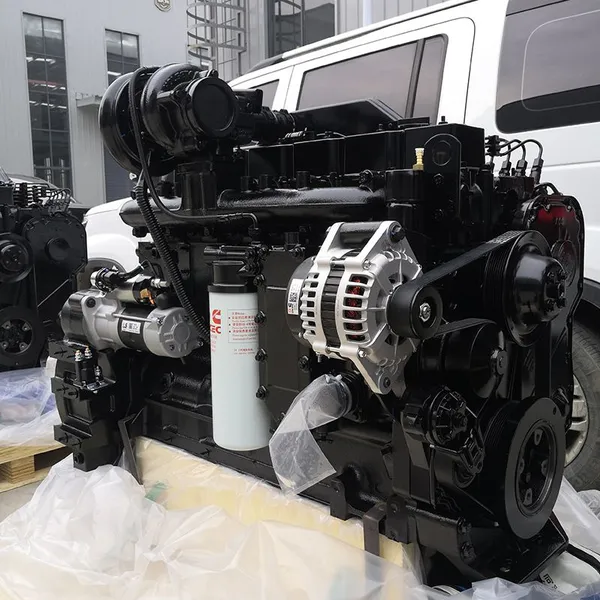 Read More

Contact Us
Recommended Products
-
 New 129 kW QSB6.7 Diesel Engine Excavator Construction Machinery Electric Start Water-Cooled Core Including Motor PumpUS$ 1888.00 - 3888.00MOQ: 1 Unit
 -
Wholesale Diesel Engine Genuine 4 Stroke Direct Injection Doosan DL08 Engine for SaleUS$ 4558.00 - 4800.00MOQ: 1 Unit
-
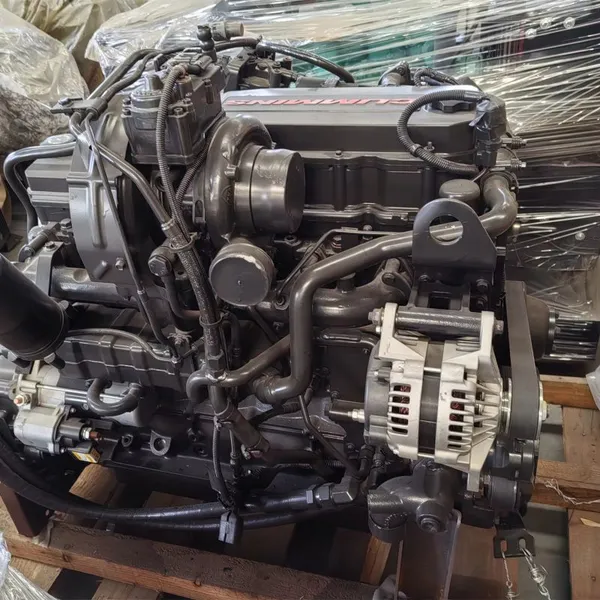
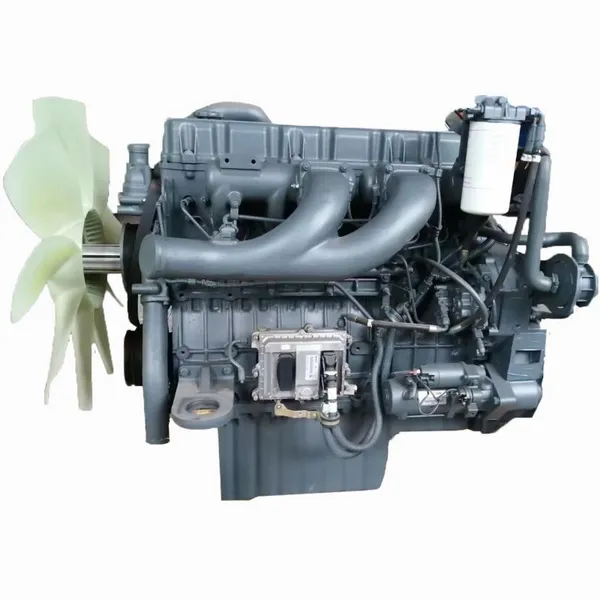
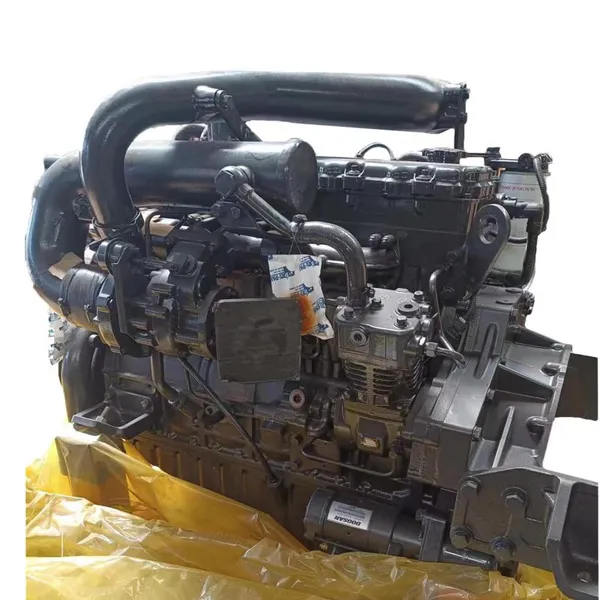
Factory Price DOOSAN DL06 Construction Machinery Motor 6 Cylinder 115kw Water-Cooled With Core Components Engine and PumpUS$ 4752.00 - 5000.00MOQ: 1 Unit
-
Factory Price 4 Stroke 115kw Doosan DB58 Complete Engine Assy for Dx220 ExcavatorUS$ 3450.00 - 3650.00MOQ: 1 Unit
-
Factory Manufacture 123kw 4 Stroke Volvo D6e Machinery Engine for Construction MachineryUS$ 7500.00MOQ: 1 Unit
-
New BF6M2012C Cylinder 4-stroke Original Water-cooled Generator With Live Start FunctionUS$ 4500.00 - 5400.00MOQ: 1 Unit
-
Original Water Cooled 4 Stroke 6 Cylinder DEUTZ TCD2012062V Machinery EnginesUS$ 4888.00 - 5081.00MOQ: 1 Unit
-
Factory Outlet 6 Cylinder 250HP 2200rpm 6C8.3-C250 Construction Machinery Engines for CuminsUS$ 34627.00 - 36450.00MOQ: 1 Unit
-
1104D-44TA Diesel Engine 83kw New Water-Cooled Machine With Electric Start and Pump Good Price Per UnitUS$ 3700.00 - 4200.00MOQ: 1 Unit
-
Original Water Cooled 4 Stroke DEUTZ TCD 2013 L06 2V Machinery Engines for SaleUS$ 7070.00 - 7443.00MOQ: 1 Unit
-
Excavator Engine Assy QSL8.9 Complete Engine Assembly CUMMINS Qsl 9 Diesel EngineUS$ 4300.00 - 4600.00MOQ: 1 Unit
-
Genuine Vovo D4d EAE2 Diesel Engine for VOLVO EC140 ExcavatorNegotiableMOQ: 1 Unit
-
Factory Outlet 6 Cylinder 250HP 2200rpm 6C8.3-C250 Construction Machinery Engines for CuminsUS$ 4700.00 - 5100.00MOQ: 1 Unit
-
Good Price 153kw 4 Stroke Electric Start D7E Diesel Engine for Construction MachineryUS$ 8350.00MOQ: 1 Unit
-
WEICHAI 178kw 4 Stroke WD10G240E203 Diesel Engine for SEM660D SEM660B Wheel LoaderUS$ 3920.00 - 4127.00MOQ: 1 Unit
-
Dongfeng Shanghai SC11CB220G2B1 6-Cylinder Diesel Engine 162kw (220hp) SDEC 3306 New Condition Core Included Farm MachineryUS$ 6500.00MOQ: 1 Unit
-
ISUZU 4 Cylinder Diesel Engine 4BG1 Machinery Engines for Kobelco SK135 ExcavatorUS$ 6800.00MOQ: 1 Unit
-
130Hp Diesel Engine YC4D130 Yuchai Diesel Motor Price for TruckUS$ 3400.00 - 3600.00MOQ: 1 Unit
-
Shanghai SDEC SC9D220G2 162KW Diesel Engine for SEM922 SEM921 GraderUS$ 5320.00 - 5600.00MOQ: 1 Unit
-
Factory Outlet Sinotruk D1242 Engine Assembly for Construction IndustryUS$ 4615.00 - 4858.00MOQ: 1 Unit