
 Business License

VOLVO D7E Engines and Jining Pinbo's European Logistics
A VOLVO D7E engine supply order for a European buyer is won or lost in the weeks between the order and the arrival, not in the quotation. The engine is the same unit described elsewhere in this series; what differs between suppliers is the route it takes, the documents that travel with it, and how much the buyer can see while the goods are in transit. This page sets out the European engine logistics chain behind an order, from the decision about a port to the unloading at a site in Europe.
Jining Pinbo Import and Export Co Ltd ships through the ports at Qingdao, Shanghai and Tianjin, and the three give different sailing options rather than three versions of the same service. Choosing between them is part of the work on every order, and it is decided by the destination, the cargo and the date the machine has to be running.
1. VOLVO D7E Engine Supply: The Chain Between Warehouse and European Site
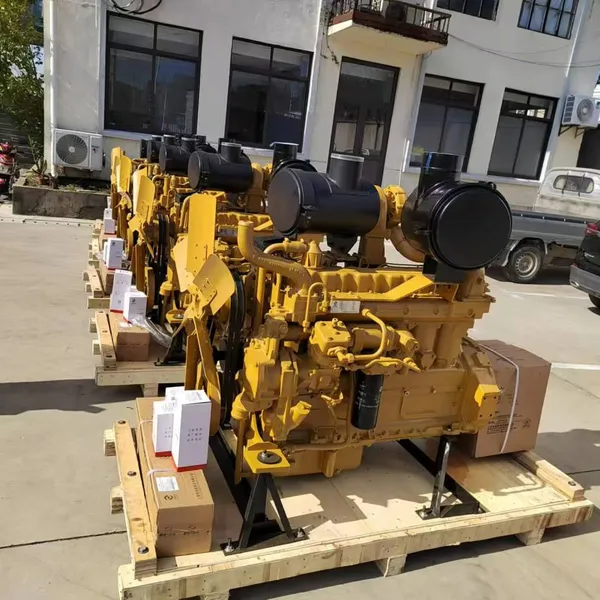
An engine order passes through more stages than a buyer usually sees. The unit is prepared and packed, moved to a port, loaded onto a vessel, carried to a European port, cleared, and then moved inland to a workshop or a site. Each stage has its own clock, and the buyer's delivery date is the total of all of them.
| Stage | What happens | What the buyer should know |
|---|---|---|
| Preparation and packing | The unit is checked, protected and cased | The dispatch date is fixed here, not at the port |
| Inland move to port | The case travels by road to the loading port | A cut off time applies before the sailing |
| Sea leg | Direct sailing or a transhipment route | Transhipment adds a handling point |
| Clearance and delivery | Import formalities, then the last leg | The inland move is usually the buyer's own |
Reading the chain as a whole is what makes a delivery date a promise rather than a hope. A date quoted from the sailing alone ignores the inland move, and a date quoted from the packing alone ignores the port, so the useful figure is the sum and the slack held against it.
2. European Engine Logistics: Choosing the Port and the Route
Port choice is the first logistics decision on an order, and it is not made on distance alone. A sailing can be direct or it can pass through a transhipment hub, and the second route costs less on freight and more on time and handling, because every additional transfer is another chance for a case to be set down and another place for a document to be asked about.
The destination decides part of the answer. Northern European ports suit buyers in Scandinavia, the Baltics and the north of Germany, while a southern destination is usually served better from a different loading point. Grouping several orders moving to one region into a single departure is often the least expensive arrangement, and it is also the one that holds a buyer to a date set by others.
Schedule consistency matters more than the shortest theoretical transit. A route with a fixed weekly sailing and a known cutoff allows a buyer to plan the arrival of fitters, cranes and workshop space, while a route that saves a few days on paper and moves when the vessel is full does not. For an engine that has to go into a machine on a set date, the predictable route is usually the better one.
3. VOLVO Engine Supplier China: Consolidation and the Departure Schedule
A VOLVO engine supplier China based works with two kinds of shipment, and the difference affects everything downstream. A complete unit travels in its own case and takes up volume that is paid for either way, while smaller items can be consolidated with other cargo moving in the same direction.
Consolidation brings a schedule the buyer does not control. A groupage departure leaves when the container is full rather than when one order is ready, and it may pass through a hub where the goods are unpacked and reloaded. That is an acceptable arrangement for a spare part ordered in advance and a poor one for an engine needed next month.
The cutoff time is where most delays begin. A loading port stops accepting cargo before a sailing, so an order that is ready at the warehouse but late to the port waits for the next vessel whatever the packing date says. Pinbo Import and Export plans backwards from the sailing to the packing for that reason, so the dispatch date is set by the port rather than by convenience.
4. European Engine Logistics: Papers That Must Match the Destination
The documents on an engine shipment are checked against the goods as well as against each other. The commercial invoice, the packing list, the transport document and any declaration required by the destination all have to describe the same unit, the same count and the same value. European engine logistics turns on that consistency more than on the speed of the vessel, because a document that disagrees with the goods stops them wherever they are.
Small inconsistencies become expensive at a European port. A model written one way on an invoice and another way on a packing list invites a question, and a question holds the goods while it is answered. The habit that prevents this is dull and effective: one description of the unit, written once and copied into every document that follows it.
The requirements differ by destination, and they also differ by the nature of the cargo. An engine standing on its own and an engine packed with spares can be treated differently, and a shipment that carries goods for two receiving parties needs the split visible on the paperwork rather than explained afterwards. Those points are settled at the packing stage, where they are easy, rather than at the port, where they are not.
5. VOLVO D7E Engine Supply: A Unit and a Spare Do Not Travel the Same Way
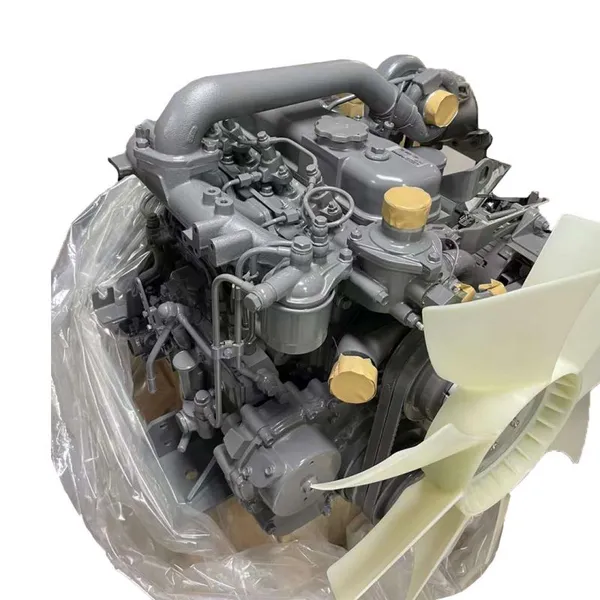
A complete engine and a spare part take different routes, and treating them as one shipment is a common mistake. The unit is bulky and heavy, so it takes a full case and often a booking of its own; a spare may be a box that weighs little and can move on a consolidation that leaves sooner.
Timing differs for the same reason. A spare part is usually ordered against a planned service, so a few weeks of transit can be absorbed in the schedule, while an engine is often ordered against a stopped machine and every week in transit is a week of standing still. The two therefore belong on different routes even when they come from the same warehouse.
Holding both in one shipment looks tidy on a file and rarely serves the buyer. A machine waiting for an engine does not want to wait longer so that a filter can travel with it, and a workshop that needs a gasket set does not want to pay for the space an engine occupies. Splitting the two is usually the cheaper arrangement once the delay is counted.
6. VOLVO Engine Supplier China: What the Buyer Can See While the Unit Is at Sea
Visibility is the part of a long route that a supplier can most easily improve, and European buyers value it for a practical reason. A workshop has to book fitters and space, and a site has to plan for a machine to be down, so an arrival date that firms up as the voyage proceeds is worth more than a schedule issued once at the start.
The useful points to report are few. Confirmation that the cargo is loaded, the vessel name and its expected arrival, and notice of any change to the sailing cover most of what a buyer needs. Each of those is a short message, and together they replace the long silences in which a buyer begins to telephone the forwarder for news. A VOLVO engine supplier China based that reports those three points gives a European workshop what it needs to plan, without the workshop having to ask.
Where an order spans several units or several legs, a single place where the buyer can see all of them matters more than detail on any one. Pinbo Power keeps the loading and arrival records against the order number for that reason, so a question asked in the middle of a voyage is answered from the file rather than from memory.
7. European Engine Logistics: The Last Leg and Delivery to the Site
The last leg is the stage most often left out of a quotation, and it is the one a buyer notices first. A case that reaches a European port has not reached a workshop, and the distance between the two is covered by road or rail at a cost the buyer usually meets directly.
Unloading equipment has to be arranged at the destination, and a case of this kind needs lifting gear rather than a tail lift. A buyer who has not booked that in advance may find the goods sitting on a vehicle while a forklift is found, which is a small delay that repeats across an order if no one has planned for it.
Customs clearance sits immediately before this stage, and it is faster when the documents have been prepared for the destination rather than adapted to it. A file that names the receiving party, the goods and the values consistently from the start clears without drama, and a file assembled from several sources does not.
8. VOLVO D7E Engine Supply: What Changes When a Route Is Repeated
A second order on the same route behaves differently from the first, and the improvement is real rather than psychological. The port, the sailing, the forwarder and the destination requirements are already known, the documents exist in a form that cleared once, and the uncertainties that occupied the first order have been replaced by a schedule. European engine logistics stops being a project and becomes a routine at that point.
The repetition also builds a record worth keeping. Transit times on the route, the handling that the case received, and any question raised at clearance are facts that improve the next set of dates. A supplier who writes those down is quoting from experience on the third order rather than from a general estimate.
For a buyer running several machines, that accumulates into a planning tool. Once a route is known, an engine can be ordered against a service window rather than against a failure, and the machine is taken out of service when it suits the operation instead of when it breaks. Jining Pinbo Import and Export treats each order as part of that record, so the route that worked once can be turned into a routine the next time the same machine needs attention.
The point of the whole chain is simple. An engine is bought to work, and everything between the warehouse and the site is time in which it cannot. Shortening that time, and making it predictable, is the part of the supply that a buyer feels every time an order is placed. VOLVO D7E engine supply works that way, with the destination prepared before the sailing rather than after it.
9. Frequently Asked Questions
9.1 What does VOLVO D7E engine supply involve beyond the engine itself?
It involves the whole chain between the warehouse and the site. The unit is prepared, packed and moved to a loading port, carried to a European destination, cleared and delivered inland, and each of those stages has its own clock and its own documents. The buyer feels the total rather than the parts, which is why a delivery date quoted from the sailing alone is worth less than one built from the whole route. Preparation and packing sit at the start of that chain, and they are what make the shipping marks and the packing list match what actually leaves.
9.2 How is a European engine logistics route chosen?
It is chosen on the consistency of the schedule as much as on distance and freight. A direct sailing with a fixed cutoff lets a buyer plan fitters, cranes and workshop space, while a cheaper route that passes through a hub adds a handling point and a day or two of uncertainty. The destination decides part of the answer, since northern Europe and southern Europe are served better from different loading points. For an engine that has to be running on a set date, the predictable route usually beats the quickest one on paper.
9.3 What should a European buyer expect from a VOLVO engine supplier China based?
The buyer should expect consistent documents, a schedule that is planned backwards from the sailing rather than forwards from the packing bench, and notice of any change to the route while the goods are moving. The documents matter because a model written one way on an invoice and another on a packing list invites a question at the destination. Visibility matters because a workshop and a site both have to plan around the arrival. Neither is exotic, and both are what separate a supplier that ships from one that delivers.
9.4 Why does a replacement engine and a spare part not travel together?
Because they are ordered for different reasons. A spare part is usually bought against a planned service and can absorb a few weeks of transit, while a replacement engine is often bought against a stopped machine where every week in transit is a week of standing still. The unit is also bulky and takes a case and often a booking of its own, while a small part can move on a consolidation that leaves sooner. Holding the two in one shipment looks orderly on a file and usually delays the more urgent item.
Recently Posted
-
Marine Engine Exports from Jining: The KTA38-M2 Story
November 26, 2026A shipyard on another continent ordered a KTA38-M2 against a vessel that was already in build, and the engine had to reach the yar Read More
-
Serving Mining Fleets: Jining Pinbo's Doosan DL08 Engine Capability
November 26, 2026A mine that runs a mixed fleet of loaders and haul support machines does not buy engines one at a time. It buys against a plan, an Read More
-
Jining Pinbo: A Doosan DL06 Engine Partner for Global Contractors
November 26, 2026A contractor running mid size excavators and wheel loaders across several sites does not buy a machine part the way a hobbyist buy Read More
-
Quality Control Behind Every DEUTZ F3L912 Engine We Export
November 25, 2026A buyer in Africa received an F3L912 that had been described as ready to work, and it would not hold its temperature on the first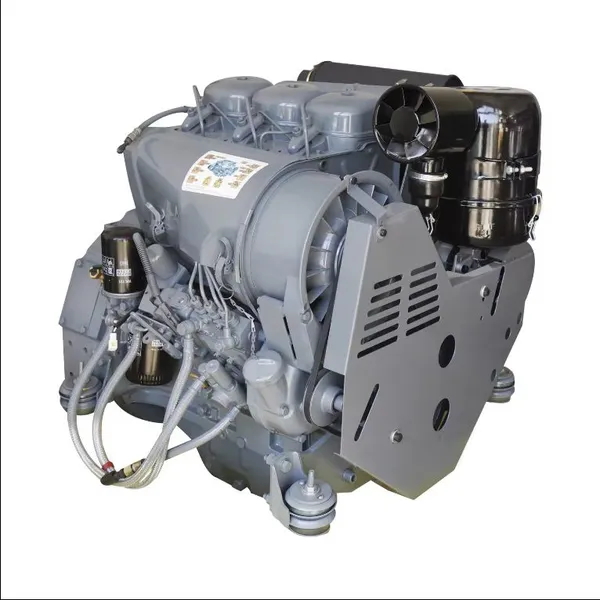 Read More

Contact Us
Recommended Products
-
 New 129 kW QSB6.7 Diesel Engine Excavator Construction Machinery Electric Start Water-Cooled Core Including Motor PumpUS$ 1888.00 - 3888.00MOQ: 1 Unit
-
Wholesale Diesel Engine Genuine 4 Stroke Direct Injection Doosan DL08 Engine for SaleUS$ 4558.00 - 4800.00MOQ: 1 Unit
-
Factory Price DOOSAN DL06 Construction Machinery Motor 6 Cylinder 115kw Water-Cooled With Core Components Engine and PumpUS$ 4752.00 - 5000.00MOQ: 1 Unit
-
Factory Price 4 Stroke 115kw Doosan DB58 Complete Engine Assy for Dx220 ExcavatorUS$ 3450.00 - 3650.00MOQ: 1 Unit
-
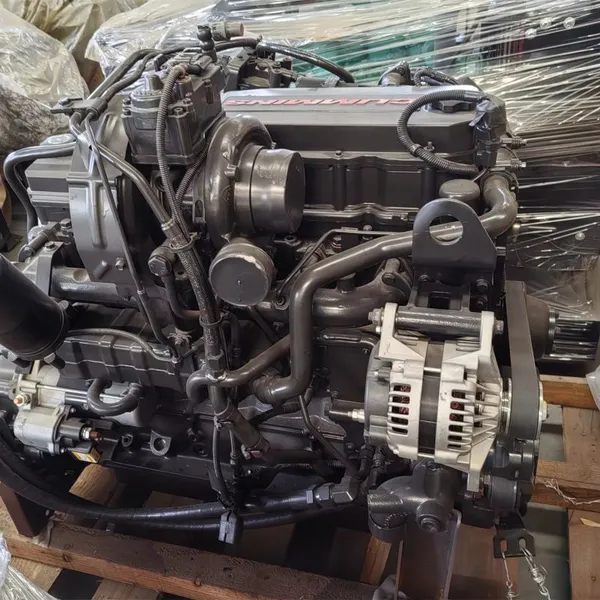
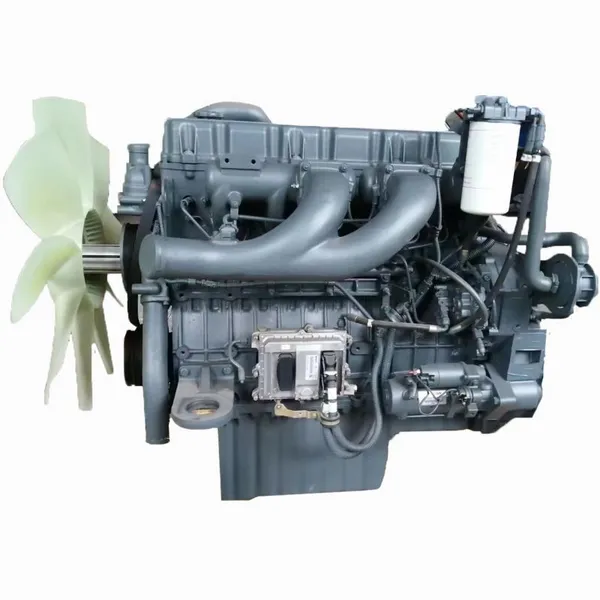
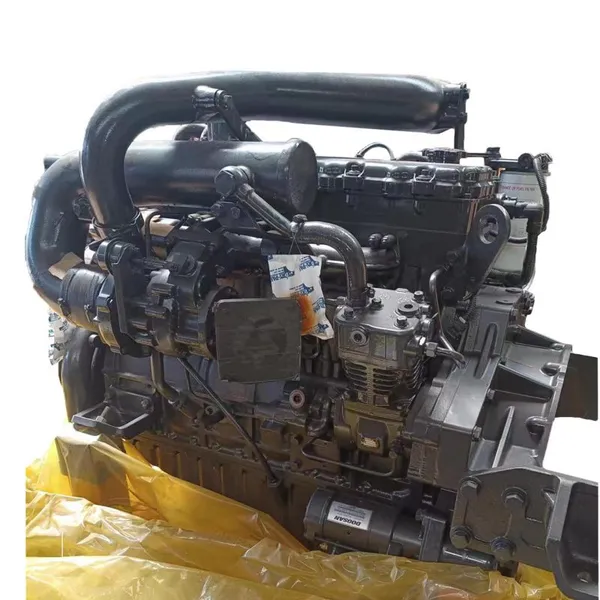
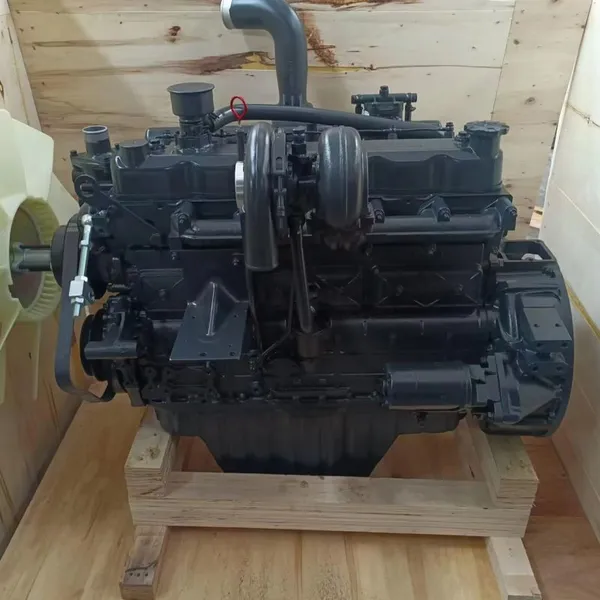
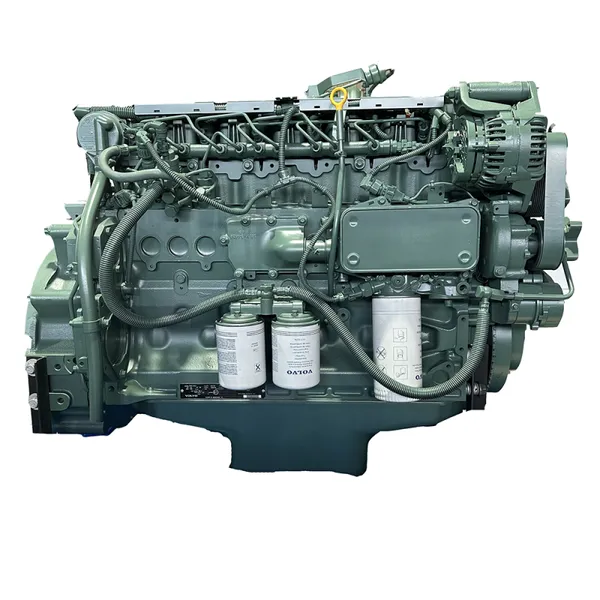
Factory Manufacture 123kw 4 Stroke Volvo D6e Machinery Engine for Construction MachineryUS$ 7500.00MOQ: 1 Unit
-
New BF6M2012C 4-stroke Original Water-cooled Diesel EngineUS$ 4500.00 - 5400.00MOQ: 1 Unit
-
Original Water Cooled 4 Stroke 6 Cylinder DEUTZ TCD2012062V Machinery EnginesUS$ 4888.00 - 5081.00MOQ: 1 Unit
-
Factory Outlet 6 Cylinder 250HP 2200rpm 6C8.3-C250 Construction Machinery Engines for CuminsUS$ 34627.00 - 36450.00MOQ: 1 Unit
-
1104D-44TA Diesel Engine 83kw New Water-Cooled Machine With Electric Start and Pump Good Price Per UnitUS$ 3700.00 - 4200.00MOQ: 1 Unit
-
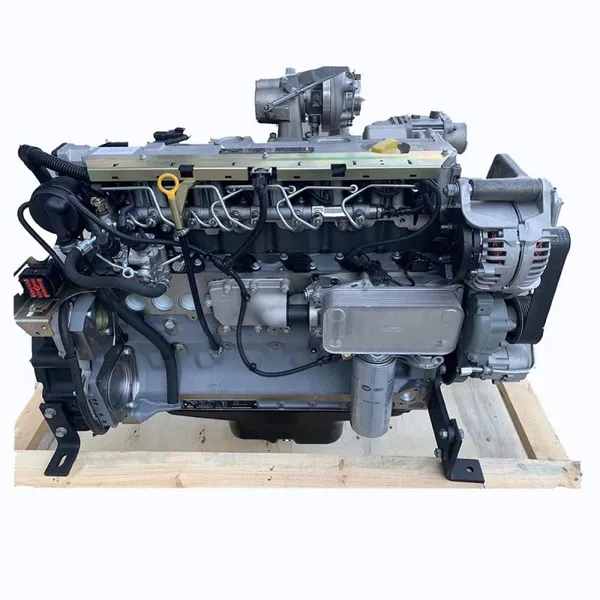
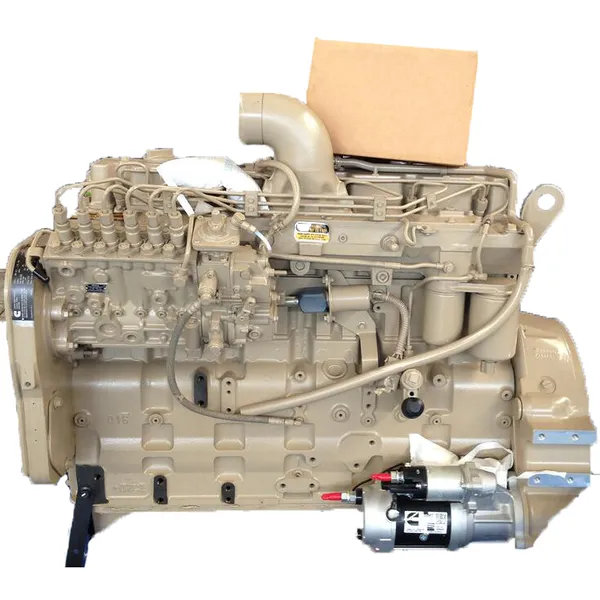
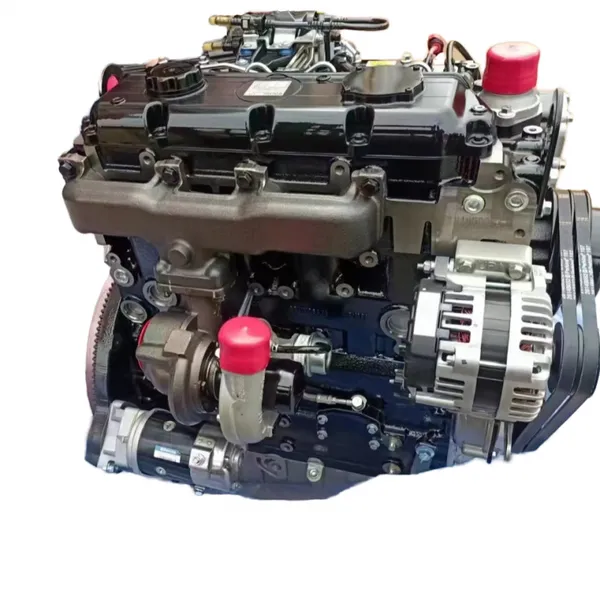
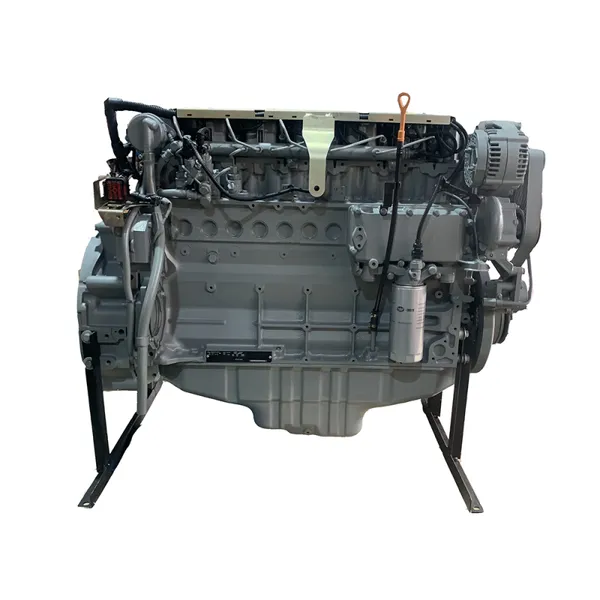
Original Water Cooled 4 Stroke DEUTZ TCD 2013 L06 2V Machinery Engines for SaleUS$ 7070.00 - 7443.00MOQ: 1 Unit
-
Excavator Engine Assy QSL8.9 Complete Engine Assembly CUMMINS Qsl 9 Diesel EngineUS$ 4300.00 - 4600.00MOQ: 1 Unit
-
Genuine Vovo D4d EAE2 Diesel Engine for VOLVO EC140 ExcavatorNegotiableMOQ: 1 Unit
-
Factory Outlet 6 Cylinder 250HP 2200rpm 6C8.3-C250 Construction Machinery Engines for CuminsUS$ 4700.00 - 5100.00MOQ: 1 Unit
-
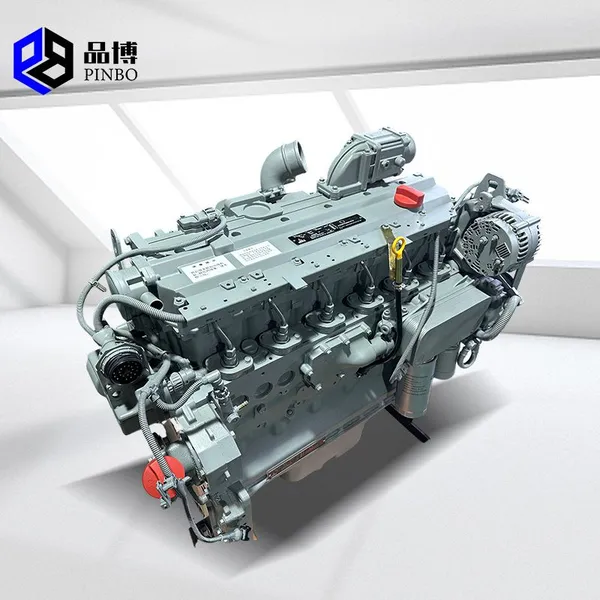
Good Price 153kw 4 Stroke Electric Start D7E Diesel Engine for Construction MachineryUS$ 8350.00MOQ: 1 Unit
-
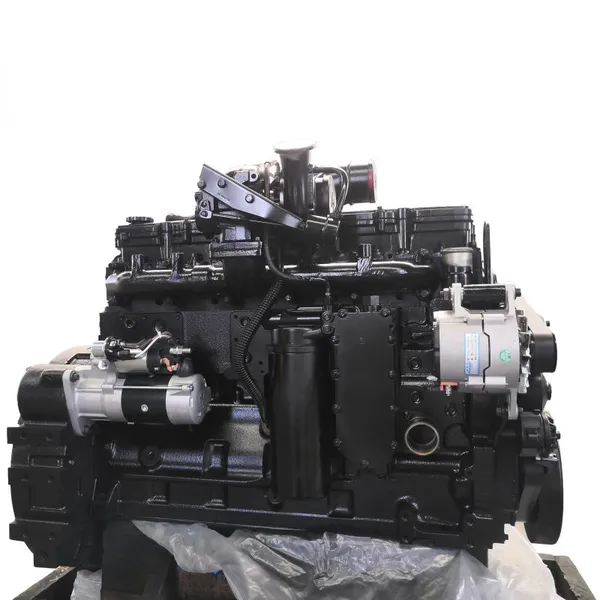
WEICHAI 178kw 4 Stroke WD10G240E203 Diesel Engine for SEM660D SEM660B Wheel LoaderUS$ 3920.00 - 4127.00MOQ: 1 Unit
-
Dongfeng Shanghai SC11CB220G2B1 6-Cylinder Diesel Engine 162kw (220hp) SDEC 3306 New Condition Core Included Farm MachineryUS$ 6500.00MOQ: 1 Unit
-
ISUZU 4 Cylinder Diesel Engine 4BG1 Machinery Engines for Kobelco SK135 ExcavatorUS$ 6800.00MOQ: 1 Unit
-
130Hp Diesel Engine YC4D130 Yuchai Diesel Motor Price for TruckUS$ 3400.00 - 3600.00MOQ: 1 Unit
-
Shanghai SDEC SC9D220G2 162KW Diesel Engine for SEM922 SEM921 GraderUS$ 5320.00 - 5600.00MOQ: 1 Unit
-
Factory Outlet Sinotruk D1242 Engine Assembly for Construction IndustryUS$ 4615.00 - 4858.00MOQ: 1 Unit