
 Business License

Marine Engine Exports from Jining: The KTA38-M2 Story
A shipyard on another continent ordered a KTA38-M2 against a vessel that was already in build, and the engine had to reach the yard before the hull was ready for it. The machinery was one part of the problem. The rest was a chain of packing, port handling, documents and dates that had to hold together across an ocean.
The marine engine export China trade is that chain, and a buyer feels it more than the engine specification does. A large marine diesel is heavy, high value and slow to replace, so the difference between two suppliers is usually found in how the order is organised rather than in the block.
This page describes how Jining Pinbo Import and Export approaches KTA38-M2 marine engine supply, from the vessel details that open an enquiry to the parts route that runs long after the unit is installed.
1. Marine Engine Export China: The Trade a KTA38-M2 Order Rests On
A marine engine export China order is a sequence of handovers, and each one has a point at which it can go wrong.
The unit is sourced and built to the vessel, then inspected and packed for a sea voyage. It passes through a port, travels under a set of documents, and arrives at a yard that has its own schedule and its own receiving check.
What a buyer is choosing when they choose a supplier is the reliability of that sequence. A specification can be copied from one offer to another, and the ability to keep the chain intact cannot.
Jining Pinbo Import and Export works the sequence as one job rather than as separate stages, which is the practical meaning of being a vessel engine supplier rather than a seller of engines.
2. KTA38-M2 Marine Engine Supply: Building the Order Around the Vessel
KTA38-M2 marine engine supply starts with the vessel, because a unit that does not match the hull is of no use however well it was built.
A marine enquiry usually arrives with a route, a service speed, a propeller or a gearbox ratio and a drawing of the engine room. Those items define the governed shaft speed, the space available and the connections the unit has to meet.
The build is then agreed against them. The rating and its duty class come first, followed by the rotation, the flywheel housing, the cooling arrangement, the exhaust connection and the control panel. Each of those entries is written into the build record at the order rather than settled when the unit is ready to leave.
Because the enquiry often involves more than one brand, the range a supplier holds matters here. A vessel may need one make of marine diesel for the main engine and another for an auxiliary, and a supplier who sources across several makes can answer both from one place. The range held by Jining Pinbo Import and Export covers Cummins, Doosan and Daewoo among others, together with the parts that go with them.
3. Vessel Engine Supplier: What Is Confirmed Before Dispatch
A vessel engine supplier is judged on the last week before dispatch, when the build either matches the order or it does not.
The identification plate is read against the build record, so that the rating, the rotation and the accessory set are confirmed as the entries that were agreed. The unit is then inspected for the parts that travel with it, and the packing is checked against what the sea voyage will ask of it.
The test readings taken before dispatch belong in the same step. They record what the engine did at the works, and they are the figures a yard compares with when the unit is started for the first time after installation.
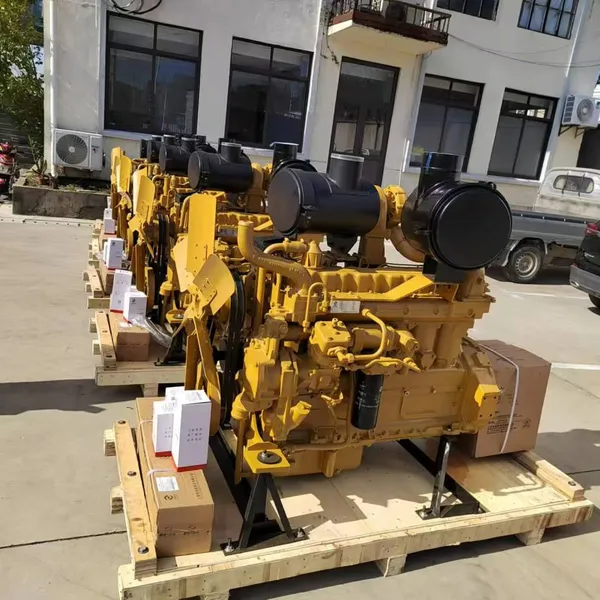
Photographs taken when the unit is packed close the step. They show what went into the crate and how it was secured, and they settle most questions that can arise about damage or shortage at the receiving end. Pinbo Import and Export keeps those photographs with the order file rather than in a separate archive.
4. Marine Engine Export China: The Sea Voyage and the Papers
A marine engine export China shipment moves through a port and under a document set, and both are chosen for the destination rather than at random.
Jining Pinbo Import and Export ships from Qingdao, Shanghai and Tianjin, and the port follows the route and the sailing schedule the buyer needs. The unit travels by sea in a crate built for its mass, which is a subject in its own right and is treated separately.
The papers travel with the goods. A commercial invoice, a packing list and a bill of lading carry the commercial side, and a certificate of origin states where the goods were produced. The test sheet and the packing photographs go with them as the record of what was sent.
| Item | What it records | Who uses it at the destination |
|---|---|---|
| Commercial invoice | The sale and the value declared | The importer and the customs broker |
| Packing list | What is in the crate, item by item | The yard receiving the unit |
| Bill of lading | The contract of carriage | The consignee and the port agent |
| Test sheet | Readings taken before dispatch | The commissioning engineer |
The receiving check at the yard uses the same set. A unit checked against the packing list and the photographs while the crate is still intact is a unit whose condition can be established from evidence.
5. KTA38-M2 Marine Engine Supply: Parts and the Long Aftermarket
KTA38-M2 marine engine supply does not end at the delivery, because a marine diesel is expected to work for many years in a hull that will outlast several components.
The parts route is what keeps those years serviceable. Consumables are consumed at a rate the running hours predict, and the items that wear between overhauls can be ordered against the build record rather than guessed from a photograph.
Planned sets are the practical form of that support. Filters, belts, gaskets and the sensors on the control panel are the items that keep a vessel working, and holding a set against the running hours means a port stay does not wait for a delivery.
A supplier in this part of the trade is judged on what happens the second time. Jining Pinbo Import and Export Co Ltd reads a repeat enquiry as the verdict on whether the first supply suited the vessel, and it files the build and the accessory list with the order so that a part asked for later is matched to the unit that went out.
6. Vessel Engine Supplier: Based in Jining, Shandong
Jining Pinbo Import and Export operates from Jining in Shandong, a construction machinery base where the machine builders and their suppliers work within a short distance of one another.
That location is a working advantage rather than a slogan. It puts a supplier within reach of a large network of engine and parts sources, and it keeps the company close to people who have spent years in the trade, which is the experience a buyer is really relying on.
The company runs a warehouse and a storage facility with its own procurement and quality teams, and it holds stock rather than buying to order for every enquiry. The scale of the operation is modest and appropriately so, since the value it adds is judgement about what fits a vessel rather than volume for its own sake.
Pinbo Power draws on the same network when a vessel needs a make outside the usual range. Where a machine or a marine unit calls for a brand the buyer did not expect to find in one place, the sourcing route usually exists because the base supports it.
7. Marine Engine Export China: The Regions the Trade Reaches
A marine engine export China trade serves regions whose requirements differ, and knowing the differences is part of quoting.
The regions Jining Pinbo Import and Export works with are South America, Eastern Europe, Africa, Western Europe, Northern Europe and Southern Europe. Marine business concentrates where there are working fleets, coastal trades and yards that keep older vessels in service.
The requirements shift with the region. Cooling is set to the sea water the vessel will work in, packing and protection are set to the length and the climate of the voyage, and the document set is prepared for the rules the destination applies.
Pinbo Power asks which region and which waters a vessel works before a quotation is prepared, because a cooling package chosen for a cold coast does not behave the same way in a warm one and the difference is settled at the order rather than after arrival.
8. KTA38-M2 Marine Engine Supply: How an Enquiry Runs
KTA38-M2 marine engine supply runs as a short sequence with a record at every step.
It opens with the vessel details, which give the governed speed, the space and the connections the unit has to meet. A build proposal follows, naming the rating class and the accessory set, and a written quotation goes out with the terms and the lead time attached.
The order fixes the build record. Inspection before dispatch confirms the unit against that record, and the packing photographs and the test sheet travel with the cargo. The arrival check at the yard closes the sequence against the same documents.
Jining Pinbo Import and Export asks for the route, the shaft arrangement and the working water temperature as the first items, because those three answers shape the rest of the quotation. A buyer who sends them at the start receives a supply organised around the vessel rather than around a catalogue entry.
9. Frequently Asked Questions
9.1 What does KTA38-M2 marine engine supply involve beyond the engine?
KTA38-M2 marine engine supply involves the whole chain that gets the unit to a working vessel. The build is agreed against the hull, the unit is inspected and packed for a sea voyage, and it travels under a document set that includes a commercial invoice, a packing list and a bill of lading. A test sheet and packing photographs record what was sent. The parts route then continues after delivery, which is why the record kept at the order is used again years later.
9.2 Why does marine engine export China depend on logistics as much as machinery?
A marine engine export China order depends on logistics because a large marine diesel is heavy, high value and slow to replace. The unit has to be built to the vessel, packed for a sea voyage, moved through a port and delivered to a yard that is working to its own schedule. A specification can be copied from one offer to another, while the ability to keep that sequence intact cannot. The buyer notices the difference when a date slips rather than when a figure is wrong.
9.3 What makes a reliable vessel engine supplier?
A reliable vessel engine supplier is judged on a few things that are easy to state. The build should match the vessel, which means the rating class, rotation, housing and cooling are agreed in writing before the order. The dispatch inspection should confirm the unit against that build record. The document set and the packing photographs should travel with the cargo, the parts route should still answer years later, and the measure of the whole is whether the second order runs as smoothly as the first.
9.4 Why is Jining a suitable base for marine engine exports?
Jining suits marine engine exports because it sits inside a construction machinery base in Shandong, where the machine builders and their supply chain work close together. That places a supplier within reach of a wide network of engine and parts sources, which matters when a vessel needs more than one make. The company runs a warehouse with its own procurement and quality teams and holds stock rather than buying to order for every enquiry. The base supports the sourcing route rather than replacing it.
Recently Posted
-
Serving Mining Fleets: Jining Pinbo's Doosan DL08 Engine Capability
November 26, 2026A mine that runs a mixed fleet of loaders and haul support machines does not buy engines one at a time. It buys against a plan, an Read More
-
Jining Pinbo: A Doosan DL06 Engine Partner for Global Contractors
November 26, 2026A contractor running mid size excavators and wheel loaders across several sites does not buy a machine part the way a hobbyist buy Read More
-
Quality Control Behind Every DEUTZ F3L912 Engine We Export
November 25, 2026A buyer in Africa received an F3L912 that had been described as ready to work, and it would not hold its temperature on the first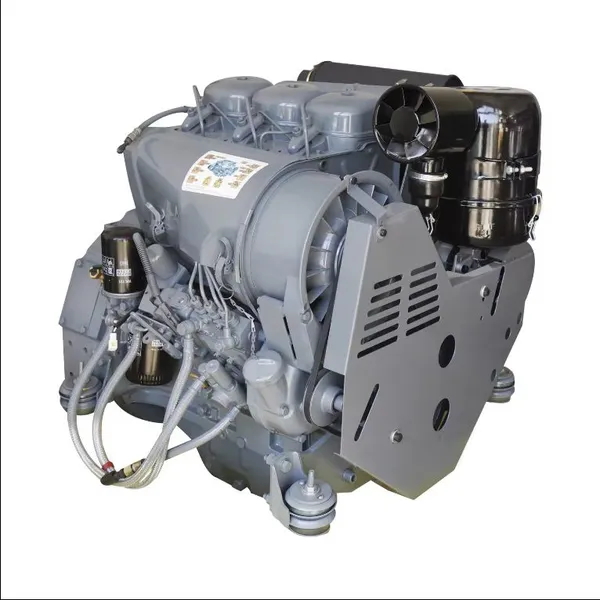 Read More
-
How Jining Pinbo Sources DEUTZ BF6M1015 Engines for European Buyers
November 25, 2026A machinery dealer in northern Europe needed four engines to finish machines held over from the previous season, and the enquiry w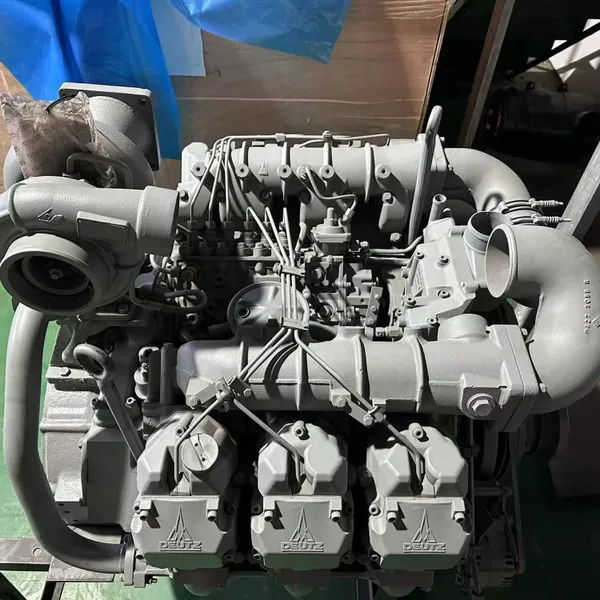 Read More

Contact Us
Recommended Products
-
 New 129 kW QSB6.7 Diesel Engine Excavator Construction Machinery Electric Start Water-Cooled Core Including Motor PumpUS$ 1888.00 - 3888.00MOQ: 1 Unit
-
Wholesale Diesel Engine Genuine 4 Stroke Direct Injection Doosan DL08 Engine for SaleUS$ 4558.00 - 4800.00MOQ: 1 Unit
-
Factory Price DOOSAN DL06 Construction Machinery Motor 6 Cylinder 115kw Water-Cooled With Core Components Engine and PumpUS$ 4752.00 - 5000.00MOQ: 1 Unit
-
Factory Price 4 Stroke 115kw Doosan DB58 Complete Engine Assy for Dx220 ExcavatorUS$ 3450.00 - 3650.00MOQ: 1 Unit
-
Factory Manufacture 123kw 4 Stroke Volvo D6e Machinery Engine for Construction MachineryUS$ 7500.00MOQ: 1 Unit
-
New BF6M2012C 4-stroke Original Water-cooled Diesel EngineUS$ 4500.00 - 5400.00MOQ: 1 Unit
-
Original Water Cooled 4 Stroke 6 Cylinder DEUTZ TCD2012062V Machinery EnginesUS$ 4888.00 - 5081.00MOQ: 1 Unit
-
Factory Outlet 6 Cylinder 250HP 2200rpm 6C8.3-C250 Construction Machinery Engines for CuminsUS$ 34627.00 - 36450.00MOQ: 1 Unit
-
1104D-44TA Diesel Engine 83kw New Water-Cooled Machine With Electric Start and Pump Good Price Per UnitUS$ 3700.00 - 4200.00MOQ: 1 Unit
-
Original Water Cooled 4 Stroke DEUTZ TCD 2013 L06 2V Machinery Engines for SaleUS$ 7070.00 - 7443.00MOQ: 1 Unit
-
Excavator Engine Assy QSL8.9 Complete Engine Assembly CUMMINS Qsl 9 Diesel EngineUS$ 4300.00 - 4600.00MOQ: 1 Unit
-
Genuine Vovo D4d EAE2 Diesel Engine for VOLVO EC140 ExcavatorNegotiableMOQ: 1 Unit
-
Factory Outlet 6 Cylinder 250HP 2200rpm 6C8.3-C250 Construction Machinery Engines for CuminsUS$ 4700.00 - 5100.00MOQ: 1 Unit
-
Good Price 153kw 4 Stroke Electric Start D7E Diesel Engine for Construction MachineryUS$ 8350.00MOQ: 1 Unit
-
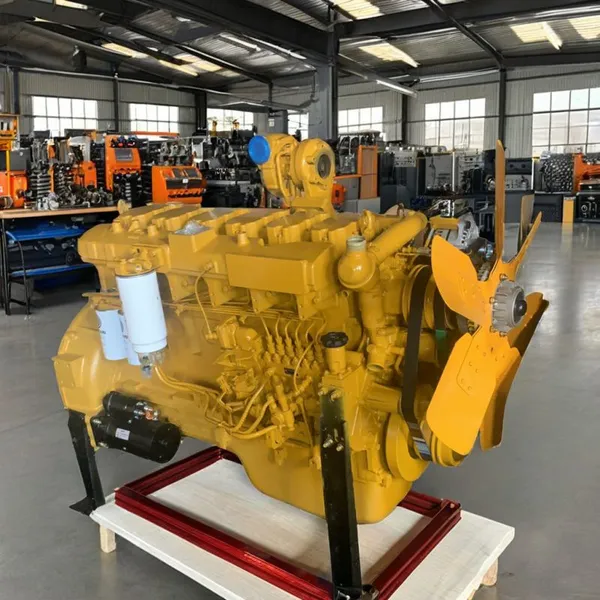
WEICHAI 178kw 4 Stroke WD10G240E203 Diesel Engine for SEM660D SEM660B Wheel LoaderUS$ 3920.00 - 4127.00MOQ: 1 Unit
-
Dongfeng Shanghai SC11CB220G2B1 6-Cylinder Diesel Engine 162kw (220hp) SDEC 3306 New Condition Core Included Farm MachineryUS$ 6500.00MOQ: 1 Unit
-
ISUZU 4 Cylinder Diesel Engine 4BG1 Machinery Engines for Kobelco SK135 ExcavatorUS$ 6800.00MOQ: 1 Unit
-
130Hp Diesel Engine YC4D130 Yuchai Diesel Motor Price for TruckUS$ 3400.00 - 3600.00MOQ: 1 Unit
-
Shanghai SDEC SC9D220G2 162KW Diesel Engine for SEM922 SEM921 GraderUS$ 5320.00 - 5600.00MOQ: 1 Unit
-
Factory Outlet Sinotruk D1242 Engine Assembly for Construction IndustryUS$ 4615.00 - 4858.00MOQ: 1 Unit