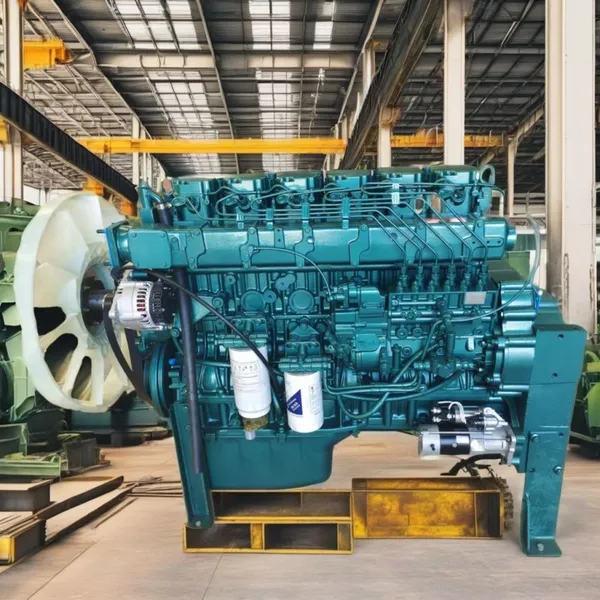

 Business License

Heavy Truck Engine Overhauls and the Circular Parts Economy
A VOLVO D8H engine overhaul is rarely a decision about one truck. It sits inside a trade that has grown up around returning worn units to service, moving the old one back through the system, and selling the result to a fleet that needs a working truck more than it needs a new one. That trade has its own vocabulary, its own arithmetic and its own risks, and a buyer who understands the mechanism gets better terms than one who does not.
What follows describes where a worn unit goes, how a returned core is graded, and what a haulage fleet should hold in writing when it takes the exchange route. Heavy truck engine remanufacturing is treated as an industrial process with a supply chain behind it, and the circular parts economy as the set of prices and habits that keep that chain turning.
The unit in question is the larger member of a six cylinder industrial family, built for haulage and construction work where the engine runs long hours at a steady load. Jining Pinbo Import and Export supplies into that market and keeps a record of each build, because a replacement has to match the unit that came out rather than the family it came from.
1. VOLVO D8H Engine Overhaul: What Returns to Service
An overhaul returns a worn engine to its working condition by replacing the parts that have reached the end of their life and restoring the surfaces that carry load. Bearings, liners, pistons, rings, valve train parts, seals and gaskets account for most of it. Components that are still within tolerance are measured and kept rather than replaced on principle.
That is where an overhaul differs from a repair. A repair addresses the failure that stopped the machine, while an overhaul addresses the condition of the whole unit. A truck that dropped a valve may need a head and a piston, but the same truck with half a million kilometres behind it will need the bottom end measured before it goes back to work.
The third term in the trade is remanufacturing, and it describes an overhaul taken further. The unit is stripped to its major castings, cleaned, inspected against a written standard, and rebuilt with a defined set of new parts. A remanufactured unit is therefore a product with a specification rather than a workshop job with an invoice.
2. Heavy Truck Engine Remanufacturing: Where the Old Unit Goes
The worn unit has a value, and the trade is organised around collecting it. A truck coming out of service yields an engine that is returned to a collection point, carried to a rebuild facility, and entered into stock as a core. Heavy truck engine remanufacturing begins with that movement rather than with the rebuild line.
Transport is the first cost and the first constraint. A complete engine is heavy, awkward to handle and expensive to move relative to its value, which is why cores travel in consolidated loads rather than one at a time. A fleet disposing of several units at once therefore tends to do better than one returning a single engine.
The rebuild line then works through a fixed sequence: teardown, cleaning, crack detection, measurement, machining where necessary, reassembly against a parts list, and a run check before the unit is released. Each step produces a record, and that record is what allows a unit to be sold as a defined product rather than as a repaired engine.
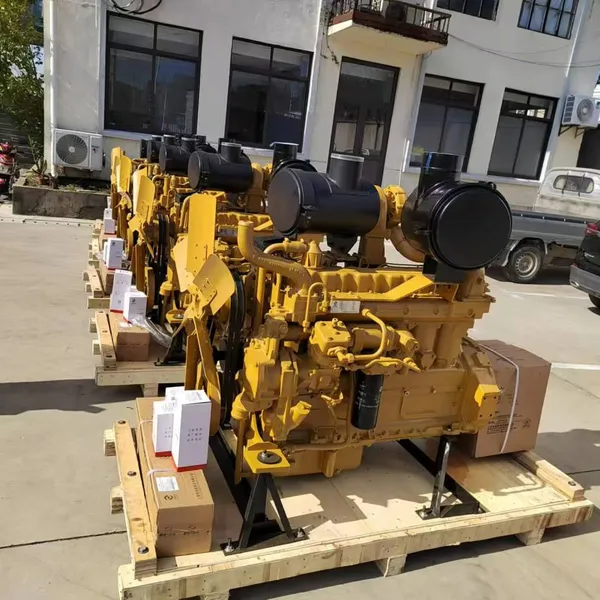
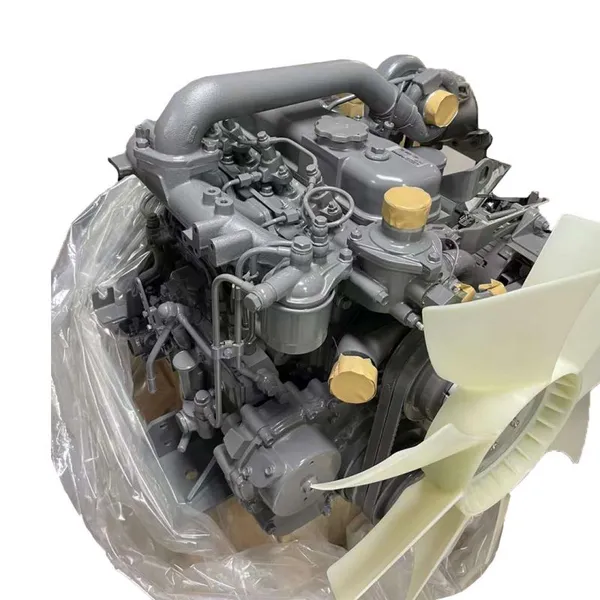
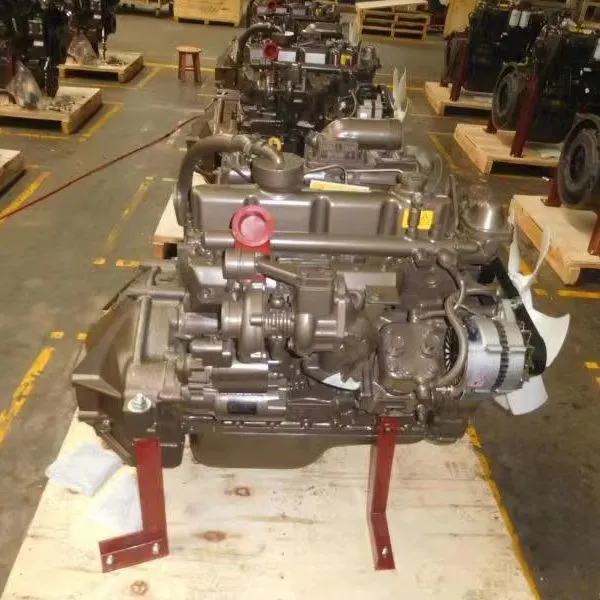
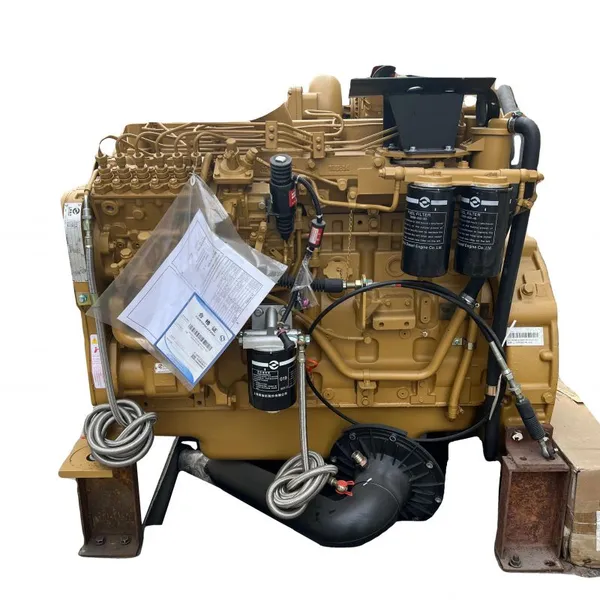
At the end of the sequence the unit re-enters stock as a finished engine. What the buyer receives may look like the one that left, and the difference is held in the paperwork that describes what was replaced. Pinbo Power reads that paperwork as the substance of the purchase rather than as a formality attached to it.
3. Circular Parts Economy: How a Core Is Graded
Not every returned unit is worth the same, and grading is how the difference is priced. The first question is what can be reclaimed. Castings, crankshafts and cylinder heads are the valuable items, and their condition decides whether a core is worth rebuilding or stripping for parts.
The second question is what has to be replaced regardless. Wear parts, seals, gaskets, bearings and fasteners are consumed in every rebuild, and their cost is fixed whatever the state of the core. That fixed cost sets a floor under the price of any rebuilt unit.
The third question concerns damage that cannot be seen at the counters. A cracked casting, a warped deck or a corroded water jacket can turn an apparently sound core into scrap, which is why measurement matters more than appearance. A core bought on appearance alone carries a risk that shows up on the machining floor.
Grading is therefore a process for converting uncertainty into a price. A seller who has measured the core can offer firm terms, and a buyer who is offered unusually good terms on an unmeasured unit should read the offer as an estimate rather than a quotation.
4. VOLVO D8H Engine Overhaul: Why Haulage Fleets Take the Exchange Route
Four reasons carry most of the decision. The first is capital: a rebuilt unit costs a fraction of a new one, and a fleet of trucks rarely has the budget to renew engines across the fleet at once. The second is time, because a worn unit can be exchanged while a rebuild in the workshop would take the truck out of service for weeks.
The third is commonality. A fleet running one family of engines can hold a small set of exchange units and rotate them through the trucks as work demands, which keeps the vehicles earning instead of waiting for parts. The fourth is the age of the asset, because an older truck still earning its keep does not justify a new engine even when the engine is worn.
None of those reasons is about engineering, and that is the point. A VOLVO D8H engine overhaul is a commercial decision made against the value of the truck, the work it still has in front of it, and the cash the fleet would rather spend elsewhere. A fleet that treats it as a technical question alone tends to overpay for the last few years of a vehicle's life.
5. Heavy Truck Engine Remanufacturing: The Transaction in Detail
An exchange is two movements rather than one, and the terms describe both. The buyer receives a rebuilt unit and returns the worn one, and the price usually carries an allowance for the core that depends on its condition and on how promptly it comes back.
Four documents belong with that transaction when it is properly run. The first identifies the unit supplied, with its build and its release details. The second records what was replaced beyond the standard list, which is what distinguishes one rebuilt unit from another. The third is the record of the run check carried out before the unit was released, and the fourth states the terms attached to the returned core, including any deduction that applies if the core proves unserviceable.
Heavy truck engine remanufacturing is often judged on that paperwork rather than on the unit, because the paperwork is what a fleet can compare between suppliers. Two offers that look alike on price become clearly different once the four documents are placed side by side, and the difference usually concerns what happens if the core turns out worse than expected.
6. Circular Parts Economy: Reclaimed, Remade and Always New
A rebuilt unit is assembled from three kinds of part, and knowing which kind is being supplied explains most of the price. Reclaimed parts are recovered from returned cores, measured against a standard and reused where they qualify. Remade parts are worn items restored by machining, such as a crankshaft ground to the next size. Always-new parts are consumed in every rebuild and carry no history at all.
| Category | What it means | Its effect on price and risk |
|---|---|---|
| Reclaimed | Recovered from a returned unit and measured against a standard | Lower cost, and its quality depends on the measurement behind it |
| Remade | A worn item restored by machining or by repair to the next size | Middle cost, and it makes the matching oversize part necessary |
| Always new | Consumed in every rebuild without exception | Fixed cost in every unit, and it sets the floor under the price |
The circular parts economy works because those three categories balance. Reclaimed parts make a rebuild affordable, always-new parts make it dependable, and remade parts sit between the two where the arithmetic allows. A supplier who cannot say which category any item falls into is not offering a specification.
The wider effect is a steady demand for worn units, which gives old engines a residual value and keeps them out of scrap. That demand is what makes the exchange system self-sustaining rather than a service offered out of goodwill.
7. VOLVO D8H Engine Overhaul: Deciding Against Replacement
The decision itself can be reduced to four questions, and a fleet that answers them in writing usually finds the choice obvious. How many hours has the unit run, and under what load? What is the condition of the rest of the truck, including the gearbox and the chassis? What work is the vehicle expected to do from here, and for how long?
The fourth question is the cost of the delay. A truck standing in a yard costs the operator money every day, and that figure should be set against any saving offered by a cheaper route with a longer lead time. Overhauls chosen on price alone frequently lose more in standing time than they saved at the order.
A written answer to those four questions also makes the enquiry easier to serve. A supplier given the hours, the condition and the intended work can say whether a rebuild is sensible at all, which is a more useful reply than a quotation for a unit the truck does not need.
8. Heavy Truck Engine Remanufacturing: Managing Risk in a Circular Route
The risks in this trade are concentrated in what is not known. A returned core carries a history its new owner cannot read, and a fleet buying exchange units is buying units whose past belongs to somebody else. That is the central fact of heavy truck engine remanufacturing, and it is managed rather than eliminated.
The first control is measurement. A core that has been stripped and measured carries less uncertainty than one that has not, and the difference should be visible in the terms offered. The second control is the parts list, because a rebuild that names what was replaced can be compared with another that does not.
The third control is record keeping at the fleet's own end. A truck that carries its engine's build details, its release entries and the list of parts replaced during the last overhaul is worth more at the point of sale than one whose history begins at the last invoice. Jining Pinbo Import and Export keeps those details against the order number so that a unit supplied once can be described again from its own file.
The fourth control is patience at the point of purchase. An offer that arrives quickly and cheaply on a unit nobody has inspected is a different product from one built against a measured core, whatever the two have in common on paper. Jining Pinbo Import and Export Co Ltd sets the terms of an exchange out in writing before the unit moves, so both sides know what happens if the core proves worse than described.
9. Frequently Asked Questions
9.1 What does a VOLVO D8H engine overhaul involve?
An overhaul returns a worn engine to working condition by replacing the parts that have reached the end of their life and restoring the surfaces that carry load, including bearings, liners, pistons, rings, valve train parts, seals and gaskets. Components still within tolerance are measured and kept rather than replaced on principle. It differs from a repair because it addresses the condition of the whole unit rather than the single fault that stopped the truck. Beyond an overhaul, the trade also supplies remanufactured units, where the engine is stripped to its major castings and rebuilt against a written parts list.
9.2 How does heavy truck engine remanufacturing actually work?
It begins with the return of the worn unit rather than with the rebuild line. Cores are collected, consolidated for transport, and entered into stock before teardown, cleaning, crack detection and measurement. Machining follows where it is needed, then reassembly against a parts list and a run check before the unit is released. Every step produces a record, and that record is what allows the unit to be sold as a defined product rather than a repaired engine, while the transport step matters more than buyers expect because a complete engine is heavy and expensive to move relative to its value.
9.3 What keeps the circular parts economy working?
Three categories of part balance against each other. Reclaimed parts recovered from returned cores make a rebuild affordable, always-new parts consumed in every rebuild set a floor under the price, and remade parts restored by machining sit between the two where the arithmetic allows. The system also depends on a steady demand for worn units, because that demand gives old engines a residual value and keeps them in circulation instead of in scrap. A supplier who can state which category each item belongs to is offering a specification, while one who cannot is offering an estimate dressed as a price.
9.4 What should a fleet hold in writing when it takes the exchange route?
Four documents make the transaction comparable with any other offer. The first identifies the unit supplied with its build and release details, the second records what was replaced beyond the standard list, and the third is the run check carried out before release. The fourth states the terms attached to the returned core, including any deduction if it proves unserviceable. A fleet should also keep its own record of hours, load and the parts fitted during each overhaul, because a truck whose history is documented is worth more at the point of sale than one whose history begins at the last invoice.
Recently Posted
-
Fuel Quality Trends and Their Impact on VOLVO D7E Engine Service
November 24, 2026A workshop repairing fuel systems on seven litre industrial engines began keeping the drained fuel in sample jars, and after a sea Read More
-
Compact Diesel Engines and Electrification in Light Construction Equipment
November 24, 2026A rental depot in a city centre now sends battery powered mini machines to indoor and courtyard jobs, and keeps its diesel units f Read More
-
Grid Stability Projects and Demand for KTTA19-C700 Class Generator Engines
November 23, 2026A tender that crossed the desk of a generator set builder asked for four engines of a mid-size class, arranged to run together and Read More
-
Long Block and Remanufactured Options for Doosan DL08 Engines
November 23, 2026A loader owner facing a worn engine weighed three routes on a single afternoon: repair the unit in place, fit a long block, or exc Read More

Contact Us
Recommended Products
-
 New 129 kW QSB6.7 Diesel Engine Excavator Construction Machinery Electric Start Water-Cooled Core Including Motor PumpUS$ 1888.00 - 3888.00MOQ: 1 Unit
-
Wholesale Diesel Engine Genuine 4 Stroke Direct Injection Doosan DL08 Engine for SaleUS$ 4558.00 - 4800.00MOQ: 1 Unit
-
Factory Price DOOSAN DL06 Construction Machinery Motor 6 Cylinder 115kw Water-Cooled With Core Components Engine and PumpUS$ 4752.00 - 5000.00MOQ: 1 Unit
-
Factory Price 4 Stroke 115kw Doosan DB58 Complete Engine Assy for Dx220 ExcavatorUS$ 3450.00 - 3650.00MOQ: 1 Unit
-
Factory Manufacture 123kw 4 Stroke Volvo D6e Machinery Engine for Construction MachineryUS$ 7500.00MOQ: 1 Unit
-
New BF6M2012C 4-stroke Original Water-cooled Diesel EngineUS$ 4500.00 - 5400.00MOQ: 1 Unit
-
Original Water Cooled 4 Stroke 6 Cylinder DEUTZ TCD2012062V Machinery EnginesUS$ 4888.00 - 5081.00MOQ: 1 Unit
-
Factory Outlet 6 Cylinder 250HP 2200rpm 6C8.3-C250 Construction Machinery Engines for CuminsUS$ 34627.00 - 36450.00MOQ: 1 Unit
-
1104D-44TA Diesel Engine 83kw New Water-Cooled Machine With Electric Start and Pump Good Price Per UnitUS$ 3700.00 - 4200.00MOQ: 1 Unit
-
Original Water Cooled 4 Stroke DEUTZ TCD 2013 L06 2V Machinery Engines for SaleUS$ 7070.00 - 7443.00MOQ: 1 Unit
-
Excavator Engine Assy QSL8.9 Complete Engine Assembly CUMMINS Qsl 9 Diesel EngineUS$ 4300.00 - 4600.00MOQ: 1 Unit
-
Genuine Vovo D4d EAE2 Diesel Engine for VOLVO EC140 ExcavatorNegotiableMOQ: 1 Unit
-
Factory Outlet 6 Cylinder 250HP 2200rpm 6C8.3-C250 Construction Machinery Engines for CuminsUS$ 4700.00 - 5100.00MOQ: 1 Unit
-
Good Price 153kw 4 Stroke Electric Start D7E Diesel Engine for Construction MachineryUS$ 8350.00MOQ: 1 Unit
-
WEICHAI 178kw 4 Stroke WD10G240E203 Diesel Engine for SEM660D SEM660B Wheel LoaderUS$ 3920.00 - 4127.00MOQ: 1 Unit
-
Dongfeng Shanghai SC11CB220G2B1 6-Cylinder Diesel Engine 162kw (220hp) SDEC 3306 New Condition Core Included Farm MachineryUS$ 6500.00MOQ: 1 Unit
-
ISUZU 4 Cylinder Diesel Engine 4BG1 Machinery Engines for Kobelco SK135 ExcavatorUS$ 6800.00MOQ: 1 Unit
-
130Hp Diesel Engine YC4D130 Yuchai Diesel Motor Price for TruckUS$ 3400.00 - 3600.00MOQ: 1 Unit
-
Shanghai SDEC SC9D220G2 162KW Diesel Engine for SEM922 SEM921 GraderUS$ 5320.00 - 5600.00MOQ: 1 Unit
-
Factory Outlet Sinotruk D1242 Engine Assembly for Construction IndustryUS$ 4615.00 - 4858.00MOQ: 1 Unit