
 Business License

How to Source a VOLVO D7E Engine: Identification and Ordering
Sourcing a VOLVO D7E engine is a different exercise from buying a mechanical industrial unit, because a large part of what identifies the engine is stored rather than stamped. Two units of the same family can differ in the release written into the controller, and that difference decides whether a replacement will work in the machine it is bought for. This VOLVO D7E engine sourcing guide sets out how to read the unit, what a diagnostic connection adds to D7E engine identification, and the order in which the facts should be gathered.
A VOLVO engine ordering guide of this kind has to answer one question first: what exactly is being replaced? A model name answers that poorly, a plate answers it better, and a release read from the controller answers it properly. Pinbo Power works through those three levels with each buyer before a figure is put forward, because a unit sourced on the name alone may arrive complete and still not suit the machine.
1. VOLVO D7E Engine Sourcing: What Makes This Unit Different to Buy
The difference begins with where the information lives. On a mechanical engine, most of what a buyer needs is on the casting and the plate. On this platform, the block and the head still carry their marks, but the behaviour of the unit is set by software that was written into it at release. Two engines can share a casting family and still be set up for different machines.
The second difference is that the engine is tied to the machine it was installed in. Its connectors, its sensor set and its communication route expect a particular harness, and the machine around it expects a particular set of signals in return. A replacement therefore has to match the machine as much as the model, and that is a question a plate alone can settle no better than a name can.
The third difference is where the risk sits. A mechanical unit that fits and runs is largely finished with the buyer's worries, while a controlled unit can fit, run and still refuse to communicate, leaving a machine that will not work even though the engine turns. Sourcing work here is therefore about confirming identity as much as about agreeing a price, and that is the frame this VOLVO D7E engine sourcing guide keeps throughout.
2. D7E Engine Identification: The Plate and the Numbers On It
D7E engine identification starts with the plate, and the plate deserves to be read rather than photographed from a distance. A clean image of every line is worth more than a legible model name, because the numbers beside the model are what let a supplier match a build.
| Mark | What it identifies | Why it matters at the order |
|---|---|---|
| Model and family line | The class the unit belongs to | Removes engines that cannot apply at all |
| Serial number | The individual unit | Lets a supplier trace the build and the release |
| Build or arrangement number | The way the unit was dressed | Decides accessories, connections and mounts |
| Power and speed entry | The setting the unit left with | Points to the release written into the controller |
The plate is read together with the machine, not on its own. The model of the equipment, the year it was built and the hours on its meter all help place the unit, and a photograph of the mounting and the coupling answers questions that no number can.
A buyer who sends the plate alone will usually receive a question in return. A buyer who sends the plate, the machine details and two clear photographs is far more likely to receive a build that can be ordered without a second round of messages.
3. VOLVO Engine Ordering Guide: Reading the Release Rather Than the Model
A VOLVO engine ordering guide for this family has to treat the release as the unit of identity. The release is the combination of hardware and settings that the unit left with, and it is what a supplier matches against when a replacement is quoted. Reading it is not a workshop ritual; it is the step that decides whether the order is right.
Two facts usually come out of that reading. The first is the setting the unit was issued with, which tells a supplier how the engine was intended to work in the machine. The second is the hardware fitted to reach it, which covers the injection equipment and the sensors the unit carries. Those two together describe a build far more precisely than a family name.
The release also explains a common disappointment. A buyer replaces a unit with one of the same family, expects the machine to behave as before, and finds it does not, because the release in the new unit was not the release in the old one. Matching the family is the easy half; matching the release is the half that decides the result.
4. D7E Engine Identification: What a Diagnostic Connection Adds
A diagnostic connection turns most of the guessing into reading. When the interface is attached to the unit in the machine, the controller will give up the release it holds, the hours it has run and a set of stored codes, and those three items describe the engine in a way no plate can.
The hours are worth as much as the release on a used unit. A meter reading taken from the controller is evidence of the life the engine has actually led, and it can be compared against the machine hours and the condition of the parts around it. Where the numbers disagree, the difference is worth a question before money is committed.
The stored codes deserve the same attention. A pair of faults recorded as the reason the unit was removed describes the fault the buyer is inheriting, and it may point to a cause that would follow the replacement into the same machine. A buyer who reads the codes before ordering removes one class of disappointment from the repair.
Where no reader is available, that fact should be stated in the enquiry rather than worked around. A supplier can then plan the check at its own end, and the buyer knows which facts are still open instead of assuming they have been settled. At Jining Pinbo Import and Export the report from that reading is kept with the order, so the release quoted and the release delivered can be compared from one sheet.
5. VOLVO D7E Engine Sourcing: Take-Out Units and the Communication Question
A take-out unit raises a question that a new unit does not: whether it will communicate with the machine it is going into. The engine may be sound and still refuse to answer, because the release it carries belongs to another build, another machine type or another specification. Sourcing a used unit is therefore a question about identity before it is a question about condition.
Three checks shorten that work. The first is the release of the unit being offered, compared against the release in the machine it has to serve. The second is the harness and connector set on both sides, because a physical match that stops at the plug is not a match. The third is whether the unit has been opened or reprogrammed, since a changed release has to be declared rather than discovered.
Condition still matters, and it is judged on the same evidence as any industrial diesel: compression behaviour, oil analysis where a sample can be taken, and the condition of the cooling and fuel systems. On a controlled unit those checks sit beside the electronic reading rather than replacing it, and a supplier who offers one without the other has left half the picture out.
6. VOLVO Engine Ordering Guide: What Travels With the Unit
A VOLVO engine ordering guide is not complete until the loose items are listed. A controlled engine travels with more than a block and a head, and the parts that come with it decide how much of the first week's work the buyer has to invent.
The list usually covers the harness or the connector set agreed for the build, the sensors the unit carries, the accessory drive fitted at the front, and the mounting arrangement. Where a flywheel housing and coupling are part of the build, the pattern and the bolt set belong on the same list, because they are what the machine has to accept.
The documents belong there too. A release statement, the build details and the record of the pre dispatch check are what allow a workshop to treat the unit as a known product rather than an anonymous engine. A buyer who asks for those items in the enquiry, rather than after delivery, receives an order that can be checked against a list instead of argued over.
7. D7E Engine Identification: Matching a Replacement to a Machine Already in Service
A replacement for a machine already working is a narrower exercise than a new build. The frame, the coupling, the harness route and the control release are all fixed by what is already there, and the replacement is arranged around them rather than chosen freely.
The first step is to record what the machine has, not what the catalogue lists. The plate and the release from the old unit, the coupling pattern at the flywheel end, the positions of the mounting feet and the route of the harness are the facts that decide whether the work is a morning or a fortnight. Photographs of the old unit in place usually carry more of that information than a description does.
The second step is to establish why the original failed. A cooling fault or a fuel fault will follow the replacement into the same machine, and a buyer who replaces an engine without asking that question has bought another failure rather than a repair. Pinbo Import and Export asks for that reason alongside the engineering details, because the two decide the same order.
8. VOLVO Engine Ordering Guide: Writing an Enquiry That Can Be Quoted
An enquiry for this family is short when it is complete. The machine and what it drives, the hours it works in a year, the plate details of the unit being replaced, the release read from the controller, and photographs of the bay and the old unit make up most of it. Pinbo Power reads the enquiry in that order and answers in the same order, because a question asked in a different sequence usually has to be asked a second time.
Those items allow a supplier to answer two questions at once: which engine applies, and which release inside that engine applies. A request that carries a model name and a target figure allows neither, and it usually returns as a set of questions rather than a quotation.
The buyer should also state the destination and the way the engine will travel, since packing and documents differ between a unit going into a crate on its own and one going into a container with other goods. Adding that line costs a minute at the enquiry stage and removes a delay at the port.
Finally, the buyer should say what will be done at the receiving end. A workshop that can read the controller receives a unit differently from one that cannot, and a supplier who knows which is the case can plan the checks that make the delivery useful rather than merely complete.
9. Frequently Asked Questions
9.1 Where should VOLVO D7E engine sourcing begin?
It begins with the machine rather than the model. Record what the equipment is, what it drives, how many hours it works in a year, and what the unit being replaced carries on its plate. Then read the release from the controller, since that is the fact that decides whether a replacement will behave as the old one did. A buyer who starts from the name alone will be dealt with as a general enquiry, while one who brings the machine, the plate and the release receives a build that can be quoted against a fixed set of facts.
9.2 How does D7E engine identification differ from a mechanical unit?
The plate still matters, but it no longer carries the whole story. On this platform the behaviour of the engine is written into its controller, so the release read through a diagnostic connection identifies the unit more precisely than the casting does. The hours stored in the controller and the codes left from the fault that removed the unit are part of identification as well, because they describe the life the engine has led. Identification therefore ends with a reading as well as a photograph.
9.3 What belongs on a VOLVO engine ordering guide checklist?
Five items carry most of it: the machine and its duty, the plate details of the unit being replaced, the release read from the controller, the coupling and mounting arrangement at both ends, and the list of items travelling with the engine. The documents belong on the same checklist, because a release statement and a check record are what allow a workshop to treat the delivery as a known product. A buyer who works through those items in order reaches a quotation that can be compared against the machine rather than against a model name.
9.4 Can a used unit be bought safely for this family?
It can, provided the work starts with identity rather than with appearance. The release the used unit carries has to be compared against the release in the machine it will serve, the harness and connector set on both sides has to match, and any reprogramming has to be declared rather than discovered after delivery. Condition checks sit beside those questions rather than replacing them. A used unit that passes the identity checks and the condition checks is a sound purchase, and one that passes the appearance test alone is an experiment.
Recently Posted
-
Buying a VOLVO D8H Engine: What to Confirm Before Ordering
November 2, 2026Buying a VOLVO D8H engine is mostly a matter of confirming things in the right order, because the unit itself is well established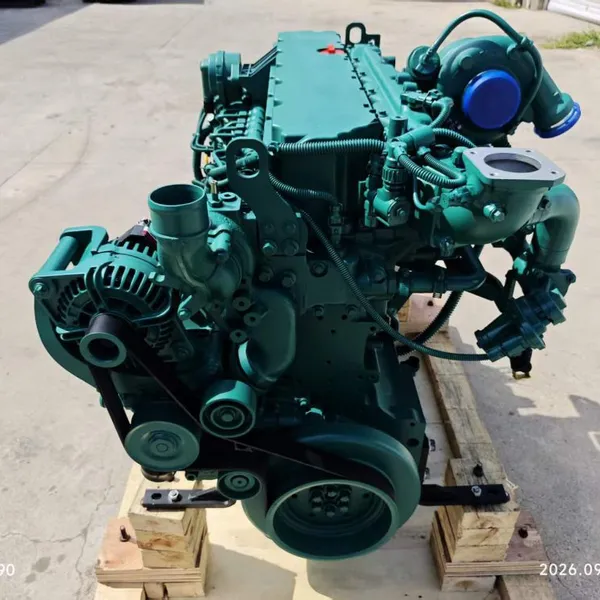 Read More
-
Sourcing a Kubota V3300 Engine: Compact Diesel Buying Guide
November 2, 2026A three point three litre four cylinder liquid cooled unit is a small engine by industrial standards and a large purchase by works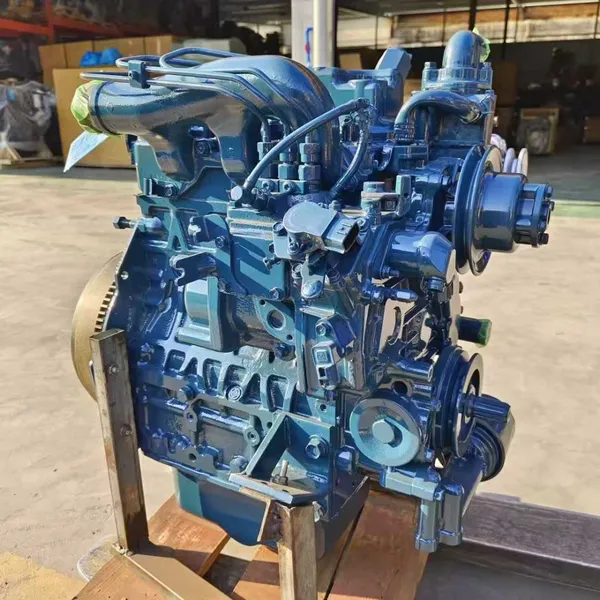 Read More
-
KTTA19-C700 Procurement Guide for Generator Set Builders
October 30, 2026A generator set builder published a datasheet for a new set and later found that the heat rejection figure on it had come from an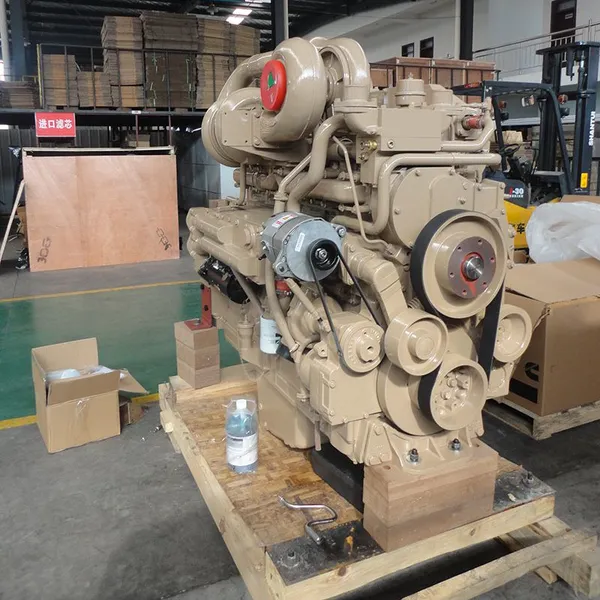 Read More
-
How to Buy a KTA38-M2 Marine Engine: Configuration and Survey Points
October 30, 2026A shipyard ordered a KTA38-M2 against a specification that named the rating and the accessories, and the unit arrived correctly bu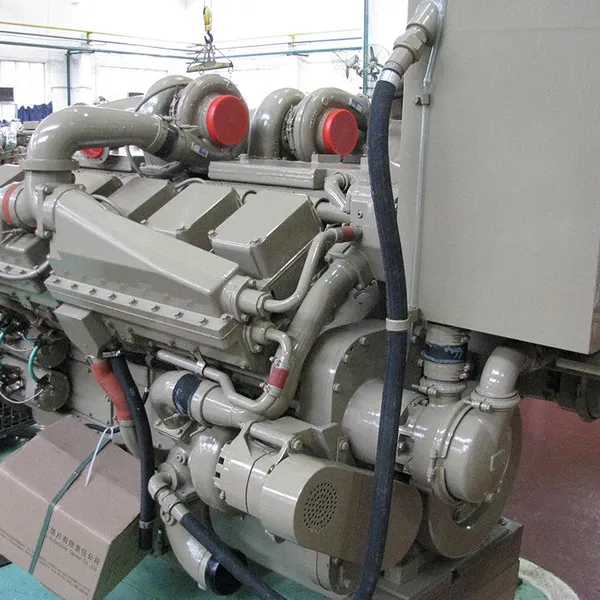 Read More

Contact Us
Recommended Products
-
 New 129 kW QSB6.7 Diesel Engine Excavator Construction Machinery Electric Start Water-Cooled Core Including Motor PumpUS$ 1888.00 - 3888.00MOQ: 1 Unit
-
Wholesale Diesel Engine Genuine 4 Stroke Direct Injection Doosan DL08 Engine for SaleUS$ 4558.00 - 4800.00MOQ: 1 Unit
-
Factory Price DOOSAN DL06 Construction Machinery Motor 6 Cylinder 115kw Water-Cooled With Core Components Engine and PumpUS$ 4752.00 - 5000.00MOQ: 1 Unit
-
Factory Price 4 Stroke 115kw Doosan DB58 Complete Engine Assy for Dx220 ExcavatorUS$ 3450.00 - 3650.00MOQ: 1 Unit
-
Factory Manufacture 123kw 4 Stroke Volvo D6e Machinery Engine for Construction MachineryUS$ 7500.00MOQ: 1 Unit
-
New BF6M2012C Cylinder 4-stroke Original Water-cooled Generator With Live Start FunctionUS$ 4500.00 - 5400.00MOQ: 1 Unit
-
Original Water Cooled 4 Stroke 6 Cylinder DEUTZ TCD2012062V Machinery EnginesUS$ 4888.00 - 5081.00MOQ: 1 Unit
-
Factory Outlet 6 Cylinder 250HP 2200rpm 6C8.3-C250 Construction Machinery Engines for CuminsUS$ 34627.00 - 36450.00MOQ: 1 Unit
-
1104D-44TA Diesel Engine 83kw New Water-Cooled Machine With Electric Start and Pump Good Price Per UnitUS$ 3700.00 - 4200.00MOQ: 1 Unit
-
Original Water Cooled 4 Stroke DEUTZ TCD 2013 L06 2V Machinery Engines for SaleUS$ 7070.00 - 7443.00MOQ: 1 Unit
-
Excavator Engine Assy QSL8.9 Complete Engine Assembly CUMMINS Qsl 9 Diesel EngineUS$ 4300.00 - 4600.00MOQ: 1 Unit
-
Genuine Vovo D4d EAE2 Diesel Engine for VOLVO EC140 ExcavatorNegotiableMOQ: 1 Unit
-
Factory Outlet 6 Cylinder 250HP 2200rpm 6C8.3-C250 Construction Machinery Engines for CuminsUS$ 4700.00 - 5100.00MOQ: 1 Unit
-
Good Price 153kw 4 Stroke Electric Start D7E Diesel Engine for Construction MachineryUS$ 8350.00MOQ: 1 Unit
-
WEICHAI 178kw 4 Stroke WD10G240E203 Diesel Engine for SEM660D SEM660B Wheel LoaderUS$ 3920.00 - 4127.00MOQ: 1 Unit
-
Dongfeng Shanghai SC11CB220G2B1 6-Cylinder Diesel Engine 162kw (220hp) SDEC 3306 New Condition Core Included Farm MachineryUS$ 6500.00MOQ: 1 Unit
-
ISUZU 4 Cylinder Diesel Engine 4BG1 Machinery Engines for Kobelco SK135 ExcavatorUS$ 6800.00MOQ: 1 Unit
-
130Hp Diesel Engine YC4D130 Yuchai Diesel Motor Price for TruckUS$ 3400.00 - 3600.00MOQ: 1 Unit
-
Shanghai SDEC SC9D220G2 162KW Diesel Engine for SEM922 SEM921 GraderUS$ 5320.00 - 5600.00MOQ: 1 Unit
-
Factory Outlet Sinotruk D1242 Engine Assembly for Construction IndustryUS$ 4615.00 - 4858.00MOQ: 1 Unit