
 Business License

6CTA8.3-C260 vs Doosan DL06: Choosing a Wheel Loader Engine
A quarry operator in South America ran two loaders on the same face, one with a larger engine and one with a lighter six cylinder, and the two machines were treated as interchangeable by the planning office. The lighter unit spent its shift working above its rated band, and within a season it had a cracked exhaust manifold and a rising oil consumption figure. Both engines were sound when they were installed. The problem was that a wheel loader doing heavy face work needs an engine sized for continuous load, not for the average of the day.
A 6CTA8.3-C260 vs Doosan DL06 decision looks straightforward when the two engines are compared on horsepower, and it becomes harder once displacement and duty are put beside each other.
This article sets out how the two engines differ in size, torque and cooling demand, and how to work out which one a loader actually needs. It is written for fleet engineers and buyers who have to commit to a repower without a test bench.
1. 6CTA8.3-C260 vs Doosan DL06: Two Wheel Loader Engine Philosophies
The two engines come from different design traditions, and the 6CTA8.3-C260 vs Doosan DL06 choice is really a choice between displacement and compactness.
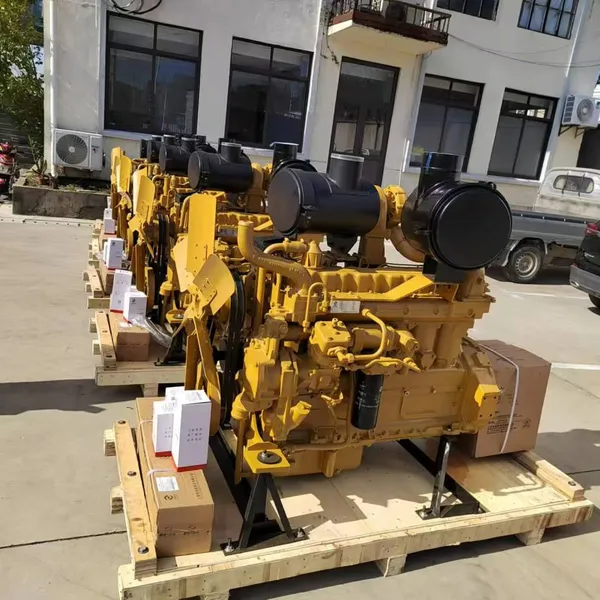
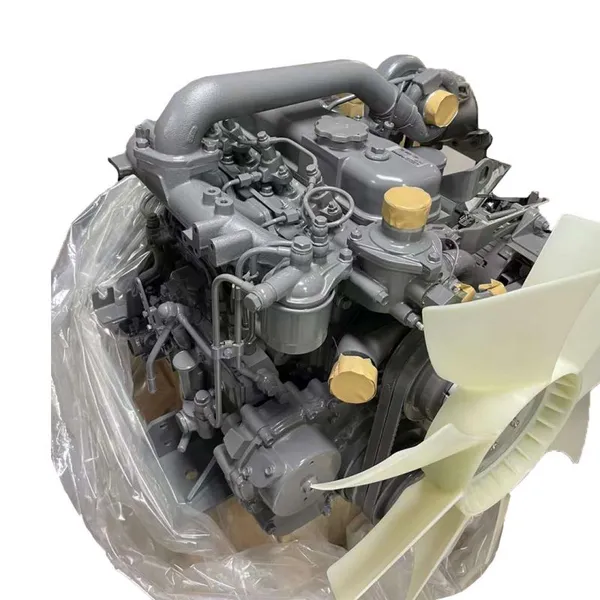
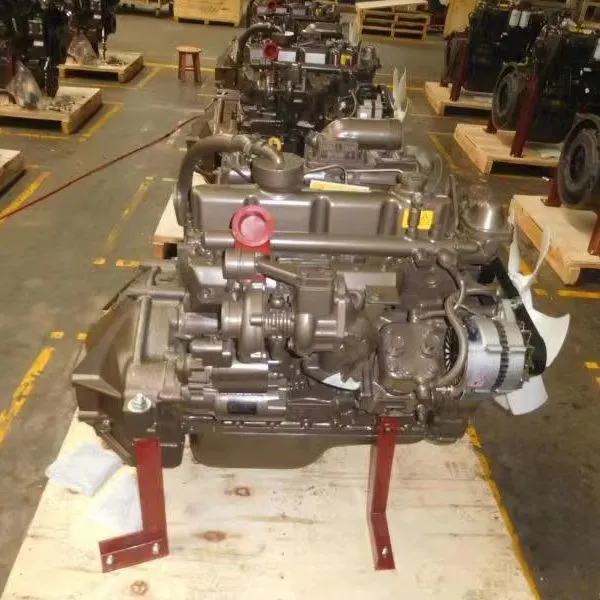
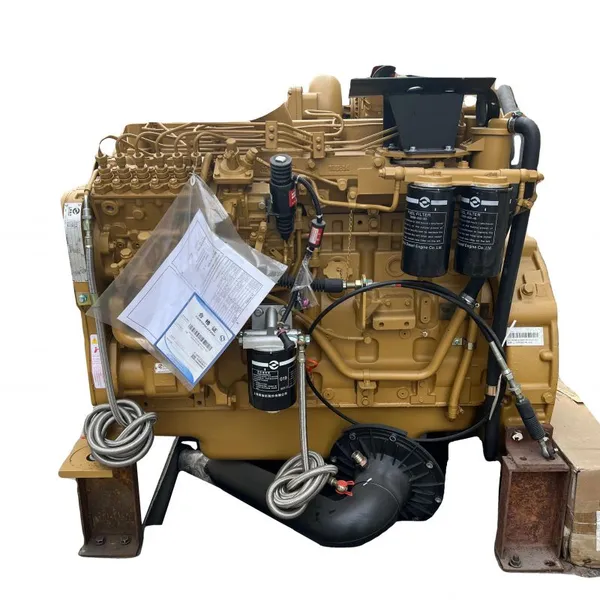
The 6CTA8.3-C260 is an 8.3 litre inline six that breathes through a turbocharger and an aftercooler, and it was built for cyclic digging duty at a rated band near 260 horsepower. The Doosan DL06 is a smaller inline six of roughly 5.9 litres, and it typically serves in the middle of the loader and excavator range at a much lower output.
The contrast in displacement is the point. A larger block produces the same torque with less strain and more thermal margin, while a smaller block reaches its rating by working harder across the same duty cycle.
Neither approach is wrong in isolation. The question is which one matches the machine, the bucket and the material on site.
2. A Wheel Loader Engine Comparison by Displacement and Torque
A wheel loader engine comparison should start below the horsepower figure, at displacement and torque rise.
Displacement sets the ceiling on how much torque an engine can make without high boost, and torque rise decides how the machine recovers when the bucket bites into a face. A larger naturally easier breathing block holds its speed with less fuel and less heat for the same work.
The 8.3 litre engine in the 6CTA8.3-C260 reaches roughly 990 N m near 1,300 rpm, and the 5.9 litre DL06 typically lands in the region of 700 to 800 N m over a similar speed band. On a loader, that gap shows up as cycle time rather than as a top speed figure.
The table below places the two engines against the duty a loader imposes. Read the values as typical for each family rather than as a substitute for the plate on a specific unit.
| Measure | 6CTA8.3-C260 | Doosan DL06 |
|---|---|---|
| Configuration | Inline six, turbocharged and aftercooled | Inline six, turbocharged |
| Displacement | 8.3 litres | roughly 5.9 litres |
| Typical loader output | roughly 260 hp at 2,200 rpm | roughly 150 to 175 hp |
| Peak torque | roughly 990 N m near 1,300 rpm | roughly 700 to 800 N m |
A comparison carried out on these four rows answers the question a horsepower figure cannot, because it shows how much margin each engine has left once the machine is digging.
3. Power and Displacement: 6CTA8.3-C260 vs Doosan DL06
The two engines serve different machine classes, and a 6CTA8.3-C260 vs Doosan DL06 comparison makes sense once the machine weight is fixed.
The larger engine suits loaders in the heavier classes, where bucket capacity, breakout force and haul distance combine to keep the engine under load for most of the shift. The smaller engine suits mid range loaders working lighter material, shorter cycles and more forgiving ground.
Fitting the large engine to a light machine adds weight over the front axle and can upset the balance of the loader. Fitting the small engine to a heavy machine removes the thermal margin that the duty needs, which is what the operator in the opening example discovered.
Pinbo Power asks for the machine class, the bucket size and the material before quoting either engine, because the answer changes with those three inputs and not with the price list alone.
Weight over the front axle is the second half of that check. An 8.3 litre engine carries more mass than a 5.9 litre one, and the counterweight, the tyres and the lift capacity of the machine all move once the block changes. Pinbo Import and Export records the mass and the mounting points of each engine so a loader can be checked against the unit before the order is placed.
4. Cooling and Heat Load in a Wheel Loader Engine Comparison
Heat rejection separates the two engines more sharply than output does.
An 8.3 litre aftercooled engine sends a large share of its fuel energy into the cooling system, and it needs a radiator sized for dust and high ambient temperature. A 5.9 litre engine of lower output rejects less heat to the coolant, so a smaller radiator will hold it.
A wheel loader engine comparison that ignores the cooling package produces the most common repower failure in the field. A radiator carried over from a lighter engine will hold temperature at light load and lose control as soon as the machine works against a face for a full shift.
Intake filtration belongs to the same chapter. A dusty quarry loads the air cleaner far faster than a yard application, and an engine running at a higher rating pulls more air through that filter in the same number of hours.
5. Parts Availability and Service: 6CTA8.3 Engine Versus DL06
Service access decides how much of the design life a fleet collects, and the 6CTA8.3 engine versus DL06 comparison carries a different answer on each side.
Both engines are well supported, and the parts that wear first are similar in kind: filters, gaskets, water pumps, injectors and belts. What differs is the interval at which a machine working hard will need them, and the larger engine usually holds its values longer under cyclic load.
Shared parts matter in a mixed fleet. An operator running the larger engines in heavy work and the smaller ones in lighter duty can hold two service kits, and the common consumables are widely stocked for both families.
Service access differs with the frame rather than with the engine. A loader with a wide engine bay lets a mechanic reach the injectors and the turbocharger from the side, while a tighter frame turns a routine job into a lifting exercise.
Jining Pinbo Import and Export Co Ltd supplies both configurations to the same packing standard, so a fleet running either engine receives one inspection routine and one spare parts list shape.
6. A Wheel Loader Engine Comparison of Fuel Burn and Cycle Time
Fuel burn per hour favours the smaller engine, and fuel burn per tonne moved often favours the larger one.
Cycle time is where the difference becomes visible. A loader with a larger, less strained engine recovers speed faster after each dig, so the operator completes more cycles in a shift and burns less fuel per bucket of material moved.
That relationship reverses when the machine is over-engined for the work. A large engine on a light duty cycle runs at part load for most of the shift, and its specific fuel consumption below the rated band is worse than the smaller engine working near its own rating.
A wheel loader engine comparison that stops at litres per hour will therefore choose the wrong engine for a heavy face and the right one for a yard, and the two duties are not interchangeable across a fleet.
The same comparison applies to a fleet rather than to a single machine. A yard holding heavy and light duty loaders will keep two service kits and two sets of consumables, and the engine choice decides which kit a mechanic reaches for on a given repair.
7. Choosing Between the 6CTA8.3 Engine and DL06 for Loaders
The decision narrows once the machine class, the material and the shift pattern are written down.
For heavy face work with a large bucket and long cycles, the larger engine carries the margin the duty needs, and its cooling package can be specified for the ambient temperature on site. For lighter material and short cycles, the smaller six cylinder costs less to buy and runs comfortably inside its band.
Ground conditions matter as much as material. Soft or steep ground lengthens ramps and cycles, which raises the load the engine carries and tilts the choice toward the larger block.
A third input is the existing transmission and hydraulic system. The engine has to match the torque converter and the pump drive already in the frame, and a mismatch there undoes a good engine choice.
8. 6CTA8.3-C260 vs Doosan DL06: Which Fits Your Loader Duty
Work through the machine rather than the catalogue when the 6CTA8.3-C260 vs Doosan DL06 question comes up.
Confirm the machine class and the rated load, write down the material and the cycle length, and record the ambient temperature range across the working season. Those three entries narrow the choice more than any horsepower table.
Then check the frame. Flywheel housing, coupling, engine mounts, radiator position and exhaust route all decide whether a chosen engine can be installed without reworking the machine.
Pinbo Power quotes the engine, the cooling package and the mounting set as one lot, so the 6CTA8.3 engine versus DL06 decision is settled against the machine rather than reopened in the workshop.
9. Frequently Asked Questions
9.1 Is the 6CTA8.3-C260 vs Doosan DL06 decision mainly about horsepower?
Horsepower is the visible part of a 6CTA8.3-C260 vs Doosan DL06 decision, and displacement and cooling sit underneath it. The 8.3 litre engine reaches its band with more thermal margin, while the 5.9 litre engine reaches a lower figure by working harder across the same cycle. On a loader, that difference shows up as cycle time and as the temperature the machine holds after a long shift. Buyers who compare the two on output alone often choose the engine that fits the frame and fights the duty.
9.2 What does a wheel loader engine comparison need to include?
A useful wheel loader engine comparison covers displacement, torque rise, heat rejection and the support systems already in the machine. Output belongs on the list, and it is not the deciding row. A comparison that also records the ambient temperature range and the material being handled will predict how the machine behaves in its first hot week of work. Add the transmission and hydraulic drive to the same sheet, because a good engine matched to the wrong coupling still leaves the operator with a machine that cannot use its power.
9.3 When does a 6CTA8.3 engine versus DL06 comparison favour the smaller engine?
The smaller engine wins when the machine works lighter material on short cycles, and when the loader sits in a mid weight class that does not need the extra margin. It also wins on purchase cost and on fuel per hour at part load, which matters where a machine spends much of its shift idling or travelling. What it does not do is carry a heavy face cycle without strain. A 6CTA8.3 engine versus DL06 choice should follow the duty the machine performs for most of the season, not the heaviest day it might see.
9.4 Can a loader be repowered with either engine on the same frame?
In some cases the frame accepts either family, and the work usually sits in the details around the block. The radiator, the engine mounts, the exhaust route and the flywheel housing are the items that decide whether a swap is practical, because the two engines differ in length, weight and heat rejection. A repower also has to match the torque converter and the hydraulic pump drive, since those transmit whatever the engine produces. Where the machine is old and the cooling package is tired, matching the new engine to a new radiator is part of the same job.
Recently Posted
-
What Is the Kubota V3300 Diesel Engine?
October 21, 2026A Kubota V3300 diesel engine is a four cylinder liquid cooled unit of about three and a third litres, built for compact machines r Read More
-
6CTA8.3-C260 vs 6CT8.3: Which Cummins Rating Fits Your Machine
October 21, 2026A crushing plant in eastern Europe ordered two replacement engines against one enquiry, and both arrived with a C series designati Read More
-
What Is the VOLVO D8H Diesel Engine?
October 21, 2026A VOLVO D8H diesel engine is a six cylinder liquid cooled unit in the eight litre region, and it is bought for work rather than fo Read More
-
VOLVO D7E Engine Family and Tier Configurations
October 20, 2026A VOLVO D7E engine family is not one engine. The name covers a set of builds that share a block and a layout while differing in th Read More

Contact Us
Recommended Products
-
 New 129 kW QSB6.7 Diesel Engine Excavator Construction Machinery Electric Start Water-Cooled Core Including Motor PumpUS$ 1888.00 - 3888.00MOQ: 1 Unit
-
Wholesale Diesel Engine Genuine 4 Stroke Direct Injection Doosan DL08 Engine for SaleUS$ 4558.00 - 4800.00MOQ: 1 Unit
-
Factory Price DOOSAN DL06 Construction Machinery Motor 6 Cylinder 115kw Water-Cooled With Core Components Engine and PumpUS$ 4752.00 - 5000.00MOQ: 1 Unit
-
Factory Price 4 Stroke 115kw Doosan DB58 Complete Engine Assy for Dx220 ExcavatorUS$ 3450.00 - 3650.00MOQ: 1 Unit
-
Factory Manufacture 123kw 4 Stroke Volvo D6e Machinery Engine for Construction MachineryUS$ 7500.00MOQ: 1 Unit
-
New BF6M2012C Cylinder 4-stroke Original Water-cooled Generator With Live Start FunctionUS$ 4500.00 - 5400.00MOQ: 1 Unit
-
Original Water Cooled 4 Stroke 6 Cylinder DEUTZ TCD2012062V Machinery EnginesUS$ 4888.00 - 5081.00MOQ: 1 Unit
-
Factory Outlet 6 Cylinder 250HP 2200rpm 6C8.3-C250 Construction Machinery Engines for CuminsUS$ 34627.00 - 36450.00MOQ: 1 Unit
-
1104D-44TA Diesel Engine 83kw New Water-Cooled Machine With Electric Start and Pump Good Price Per UnitUS$ 3700.00 - 4200.00MOQ: 1 Unit
-
Original Water Cooled 4 Stroke DEUTZ TCD 2013 L06 2V Machinery Engines for SaleUS$ 7070.00 - 7443.00MOQ: 1 Unit
-
Excavator Engine Assy QSL8.9 Complete Engine Assembly CUMMINS Qsl 9 Diesel EngineUS$ 4300.00 - 4600.00MOQ: 1 Unit
-
Genuine Vovo D4d EAE2 Diesel Engine for VOLVO EC140 ExcavatorNegotiableMOQ: 1 Unit
-
Factory Outlet 6 Cylinder 250HP 2200rpm 6C8.3-C250 Construction Machinery Engines for CuminsUS$ 4700.00 - 5100.00MOQ: 1 Unit
-
Good Price 153kw 4 Stroke Electric Start D7E Diesel Engine for Construction MachineryUS$ 8350.00MOQ: 1 Unit
-
WEICHAI 178kw 4 Stroke WD10G240E203 Diesel Engine for SEM660D SEM660B Wheel LoaderUS$ 3920.00 - 4127.00MOQ: 1 Unit
-
Dongfeng Shanghai SC11CB220G2B1 6-Cylinder Diesel Engine 162kw (220hp) SDEC 3306 New Condition Core Included Farm MachineryUS$ 6500.00MOQ: 1 Unit
-
ISUZU 4 Cylinder Diesel Engine 4BG1 Machinery Engines for Kobelco SK135 ExcavatorUS$ 6800.00MOQ: 1 Unit
-
130Hp Diesel Engine YC4D130 Yuchai Diesel Motor Price for TruckUS$ 3400.00 - 3600.00MOQ: 1 Unit
-
Shanghai SDEC SC9D220G2 162KW Diesel Engine for SEM922 SEM921 GraderUS$ 5320.00 - 5600.00MOQ: 1 Unit
-
Factory Outlet Sinotruk D1242 Engine Assembly for Construction IndustryUS$ 4615.00 - 4858.00MOQ: 1 Unit